
Eating Well on a Budget: What's Worth Knowing

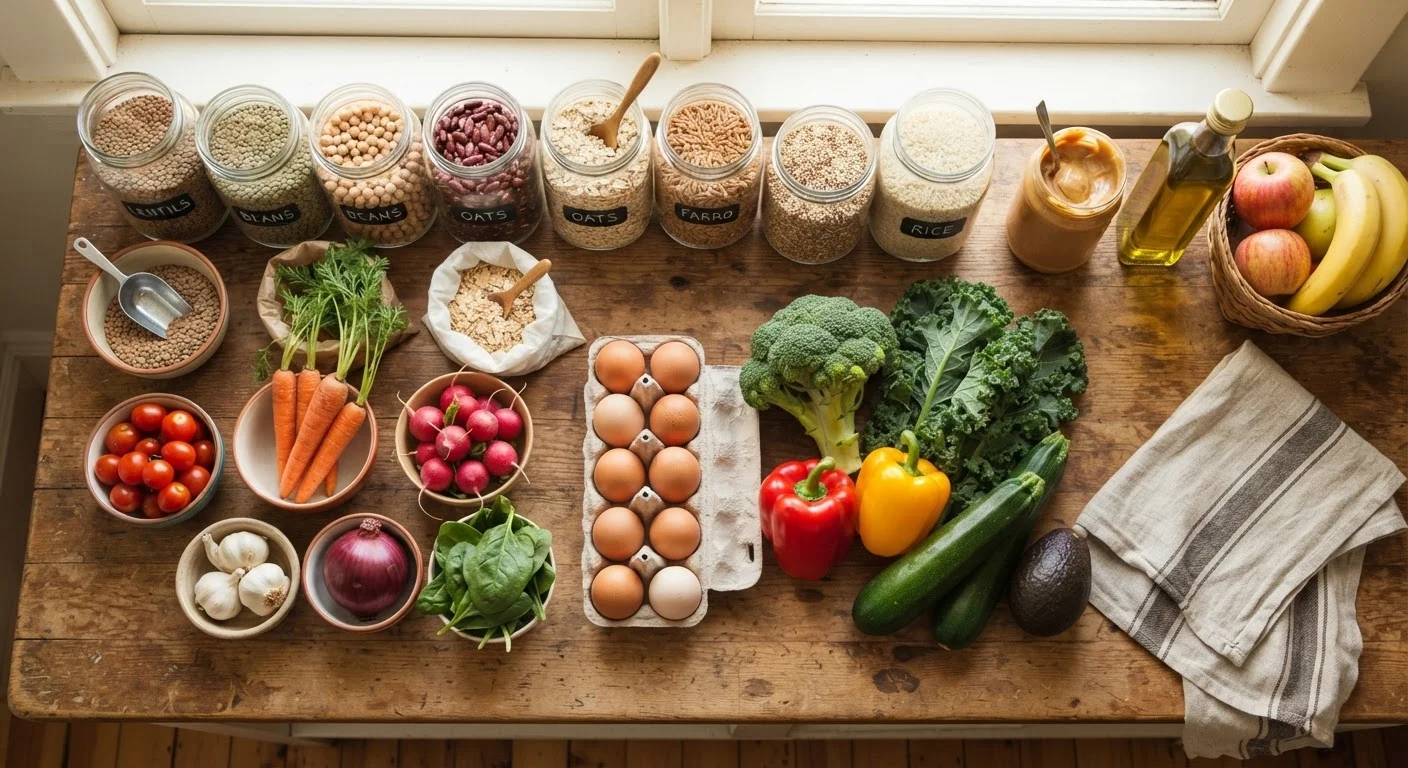
Photo: UltraSearches.com | Search Results You Can Trust editorial
Key Takeaways
- Pantry staples like dried beans, lentils, oats, and eggs offer strong nutrition at low cost.
- Meal planning before grocery shopping significantly reduces food waste and impulse spending.
- Frozen and canned produce can be as nutritious as fresh and often cost less.
- Buying in bulk only saves money when you can realistically use the food before it spoils.
- Cooking at home consistently is one of the most effective ways to control both nutrition and food costs.
Why Budget Eating Often Gets Misunderstood
A common assumption is that healthy food is inherently expensive and that eating on a tight budget means relying on low-quality, nutritionally poor options. Neither is entirely accurate. While fresh organic produce and specialty health foods can carry a high price tag, the foods with the strongest evidence for supporting long-term health - vegetables, legumes, whole grains, eggs - are frequently among the most affordable items in any grocery store.
The challenge is less about the cost of nutritious food and more about having a system: knowing what to buy, how to use it, and how to avoid the spending habits that quietly inflate a food budget. This guide lays out that system in practical terms.
This Is General Information, Not Medical Advice
For readers managing money carefully across multiple areas of life, the strategies here connect naturally to broader financial habits. The everyday money tips hub offers additional context on making financial decisions work across common household expenses.
What You Need Before You Start
Getting organized before changing how you shop or cook makes the process more sustainable. Review the prerequisites and tools below, then follow the steps in order.
What you will need
Grocery list (written or app-based)
Keeps shopping focused on planned meals and prevents impulse purchases that inflate costs.
Weekly meal planner
Maps out meals in advance so ingredients are used efficiently and nothing goes to waste.
Kitchen scale
Helps measure portions accurately when cooking from bulk ingredients like grains or dried beans.
Reusable storage containers
Allows batch cooking and safe refrigeration of leftovers, stretching meals further across the week.
Step-by-Step: Eating Well for Less
The following steps are designed to be adopted progressively - you don't need to overhaul everything at once. Start with meal planning and pantry building, and add strategies as they become comfortable.
Set a realistic weekly food budget
Before you shop, decide how much you can realistically spend on food for the week. Review your overall household expenses to arrive at a number that fits without eliminating other essentials. If budgeting feels unfamiliar, the complete budgeting resource on this site walks through the process from the ground up.
Having a firm number in mind prevents the common habit of spending loosely and wondering where the money went.
Plan meals before you shop
Decide what you'll cook for the week before you set foot in a store. A simple plan of five to six dinners - with enough for leftovers - dramatically reduces food waste and eliminates expensive last-minute decisions. Build meals around overlapping ingredients so that, for example, a bag of spinach serves both a stir-fry and a grain bowl.
For a practical framework on how to structure balanced meals without overcomplicating the process, see building a balanced plate without counting every calorie.
Build your pantry around affordable staple foods
Certain foods consistently deliver strong nutritional value at low cost. Dried beans, lentils, chickpeas, brown rice, oats, eggs, canned tomatoes, and frozen vegetables are reliable foundations. Dried legumes in particular are among the most affordable sources of protein and fiber available - and as a bonus, they support the kind of nutrient variety that most Americans fall short on.
Stock these items consistently and meals become easier and cheaper to put together week after week.
Shop with unit prices in mind
Compare products using the unit price (per ounce or per pound) rather than the package price. Store brands are often nutritionally equivalent to name brands at a meaningfully lower cost. Seasonal produce tends to be cheaper and fresher than out-of-season items shipped from a distance.
[tip_callout]Use frozen and canned produce strategically
Frozen vegetables are picked and flash-frozen at peak ripeness, meaning their nutrient content is well-preserved. Canned goods like tomatoes, beans, and corn are similarly durable and affordable. When buying canned items, look for those with low or no added sodium, and rinse beans before use to reduce sodium content further.
Relying on these options for most of the week - while using fresh produce where it shines (salads, snacking) - stretches your budget without sacrificing nutrition.
Cook in batches and use leftovers deliberately
Cooking a large pot of grains, a tray of roasted vegetables, or a batch of beans on one day gives you ready-to-use components for several meals. This reduces the temptation to order takeout on busy evenings - one of the most common ways food budgets expand without notice.
Leftovers also tend to be nutritionally consistent with the original meal, so batch cooking supports both your budget and dietary habits simultaneously. Store cooked foods properly in sealed containers and consume within safe timeframes.
Be selective about when bulk buying makes sense
Buying in bulk can reduce cost per unit, but only when you can use the product before it spoils or goes stale. Non-perishables - oats, dried lentils, rice, pasta - are strong candidates. Perishables bought in bulk often go to waste, erasing any savings. For a fuller look at when bulk purchases help versus hurt, see why buying in bulk isn't always the smarter move.
Nutritional Considerations Worth Keeping in Mind
Budget eating centered on whole grains, legumes, and vegetables naturally supports good fiber intake, adequate protein from plant sources, and a wide range of micronutrients. If you're moving toward a more plant-forward approach as part of this shift, certain nutrients - including vitamin B12, iron, and calcium - deserve extra attention. The article on getting enough nutrients on a plant-based diet covers this in detail.
Also worth noting: processed foods marketed as budget options often contain high levels of added sodium and sugar. Learning to read nutrition labels - including spotting hidden sources of added sugar - helps you make more informed choices even when shopping affordably.
Avoid Extreme Restriction in the Name of Saving
This article is for general informational and educational purposes only. It does not constitute medical or nutritional advice. Speak with a registered dietitian or qualified healthcare professional for guidance tailored to your individual health needs.
The content on this site is for informational purposes only and is not a substitute for professional advice. Always consult a qualified professional for guidance specific to your situation.