
Hidden Sources of Added Sugar in Everyday Foods

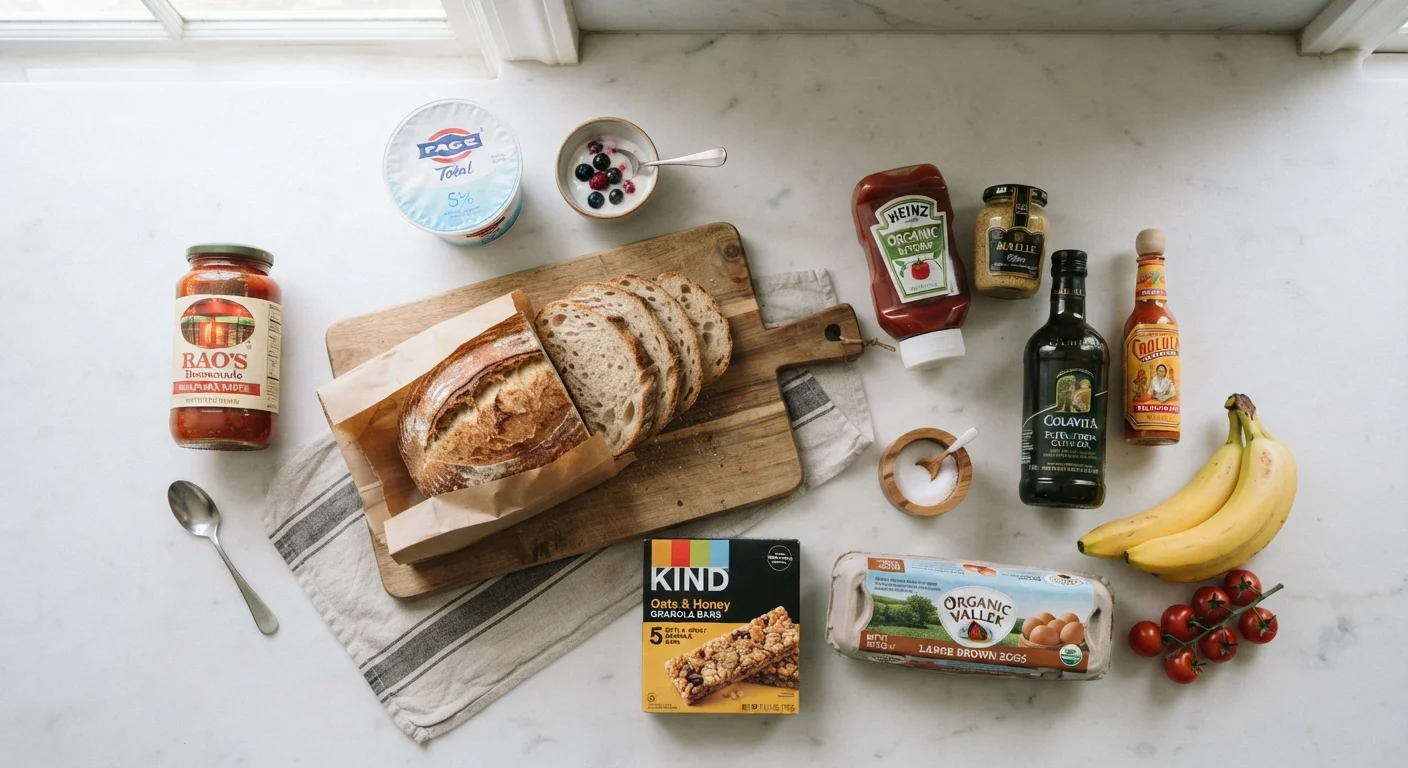
Photo: UltraSearches.com | Search Results You Can Trust editorial
Why Added Sugar Hides in Plain Sight
Most people know that soda, candy, and pastries contain a lot of sugar. What surprises many shoppers is how frequently added sugar appears in foods that seem nutritious - or that aren't sweet-tasting at all. Manufacturers add sugar to enhance flavor, extend shelf life, improve texture, and make products more palatable after fat or sodium is reduced.
The result: added sugar shows up across nearly every food category in the average grocery store. Understanding how to spot it - and why it matters - can help you build more informed eating habits without overhauling your entire diet. For a broader foundation on reading packaged food information, see what a nutrition label is actually telling you.
| FDA Added Sugars Daily Value | 50 grams (based on 2,000-calorie diet) (U.S. Food and Drug Administration Nutrition Facts label requirements) |
| American Heart Association Recommended Limit (Women) | 25 grams (6 teaspoons) per day (American Heart Association dietary guidelines) |
| American Heart Association Recommended Limit (Men) | 36 grams (9 teaspoons) per day (American Heart Association dietary guidelines) |
| Approximate Names for Sugar on Labels | More than 60 recognized aliases (USDA and nutrition research literature) |
| Mandatory Added Sugars Label | Required on all standard Nutrition Facts panels (FDA updated Nutrition Facts label rule, effective 2020-2021) |
Common Foods With Surprising Sugar Content
Added sugar appears in many categories you might not associate with sweetness:
- Pasta sauces and tomato-based condiments: Jarred marinara and ketchup frequently contain multiple grams of added sugar per serving to balance acidity.
- Flavored yogurts: A single serving of flavored yogurt can contain as much added sugar as a small dessert, even varieties labeled "low-fat" or "light."
- Breads and wraps: Many commercial sandwich breads include sugar or high-fructose corn syrup to aid browning and improve taste.
- Granola and breakfast cereals: Products marketed as whole-grain or high-fiber often carry significant added sugar. Check the label rather than relying on front-of-package claims.
- Salad dressings: Especially honey-based, balsamic, and "light" versions, which may replace fat with sugar to maintain palatability.
- Protein and energy bars: These convenient snacks vary widely - some contain as much sugar as a candy bar.
- Plant-based milks: Flavored oat, almond, and soy milks often include added sweeteners; unsweetened versions are widely available as an alternative.
Understanding where sugar tends to concentrate across food categories - rather than fixating on individual products - makes it easier to make consistent, sustainable choices. This connects to the spectrum of processed foods.
Added Sugar
Sugars and syrups added to foods or beverages during processing or preparation, as distinct from sugars that occur naturally in whole foods like fruit or dairy.
High-Fructose Corn Syrup (HFCS)
A liquid sweetener derived from corn starch, widely used in processed foods and beverages. It functions similarly to table sugar in the body and is one of the most common added sweeteners in the U.S. food supply.
Daily Value (DV)
A reference amount established by the FDA used on Nutrition Facts labels to help consumers understand how a food fits into a daily diet, based on a 2,000-calorie reference intake.
Intrinsic Sugar
Sugars naturally present within the cellular structure of whole foods, such as fructose in fruit or lactose in milk, which are not counted as added sugars on nutrition labels.
How to Identify Added Sugar on Labels
The U.S. Nutrition Facts label now requires manufacturers to list Added Sugars as a separate line - distinct from naturally occurring sugars found in fruit or dairy. This makes it easier to assess at a glance. The Daily Value for added sugars is set at 50 grams per day for a standard 2,000-calorie diet, based on dietary guidance from federal health agencies.
However, sugar appears under many names in ingredient lists. Common aliases include:
- High-fructose corn syrup
- Cane juice or evaporated cane juice
- Maltose, dextrose, and fructose
- Agave nectar and honey
- Barley malt syrup and rice syrup
- Molasses and treacle
A practical rule of thumb: the closer to the top of the ingredient list any of these names appears, the more of that ingredient is present by weight. If multiple sugar variants appear throughout the list, their combined contribution may be substantial even when each individual entry seems minor.
"Natural" Doesn't Always Mean Less Sugar
This article is for general informational purposes only and is not intended as medical or dietary advice. Consult a registered dietitian or qualified healthcare professional for guidance tailored to your individual health needs.
The content on this site is for informational purposes only and is not a substitute for professional advice. Always consult a qualified professional for guidance specific to your situation.