
Appliance Warranty Coverage: What's Usually Included and What Isn't

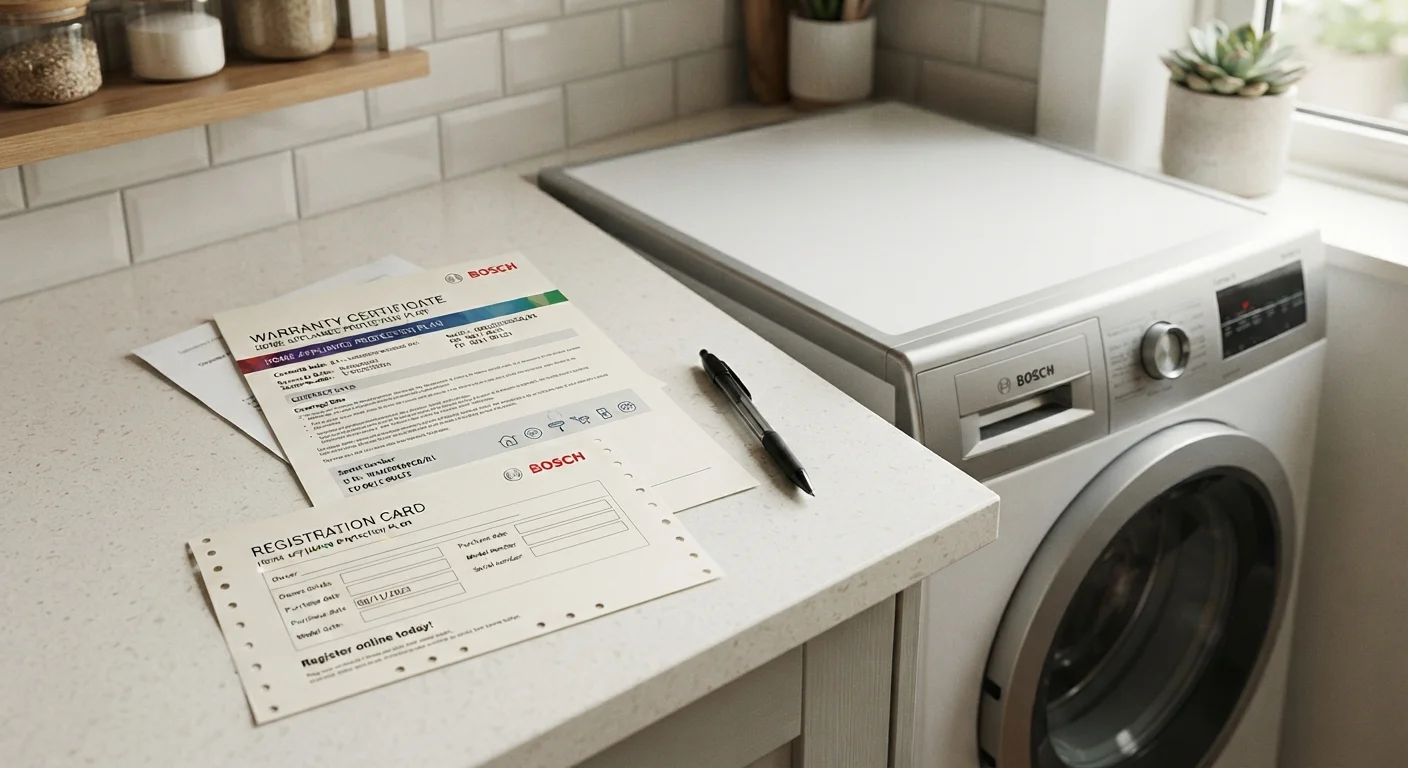
Photo: UltraSearches.com | Search Results You Can Trust editorial
Key Takeaways
- Standard appliance warranties typically cover defects in materials and workmanship for one year from purchase.
- Damage from misuse, improper installation, power surges, or cosmetic wear is almost universally excluded.
- Extended service plans and manufacturer warranties are different products with different terms and administrators.
- Keeping your purchase receipt and completing product registration can be critical to filing a valid warranty claim.
- Routine maintenance won't void most warranties, but using non-approved parts or modifications often will.
What a Standard Manufacturer Warranty Covers
When you purchase a major home appliance - a refrigerator, dishwasher, washer, dryer, or range - it almost always comes with a limited manufacturer warranty. The word "limited" is doing real work here: coverage is narrowly defined, not blanket protection against anything that goes wrong.
The core of nearly every standard appliance warranty is coverage for defects in materials or workmanship. This means if a component fails because it was manufactured incorrectly or made from substandard materials, the manufacturer will repair or replace it. Common examples include a faulty control board that never functioned correctly, a drum bearing that fails prematurely without misuse, or a compressor that stops working within the first year.
Most full warranties for the initial one-year period cover both parts and labor - meaning a qualified technician will come to your home at no cost to you. After the first year, some manufacturers offer extended component coverage (two to five years on motors or sealed systems, for example), but these secondary coverage periods often cover parts only, not labor.
Register Your Appliance Right Away
To understand how long your specific appliance should last relative to its warranty term, see our appliance lifespan reference guide for average useful-life estimates by category.
What Is Typically Excluded
The exclusions in appliance warranties are where many homeowners are caught off guard. Understanding what isn't covered is just as important as knowing what is.
Common Warranty Exclusions at a Glance
- Cosmetic damage: Scratches, dents, chipped finishes, and discoloration are excluded in virtually all manufacturer warranties, regardless of when or how they occurred.
- Misuse and abuse: Overloading a washer, using the wrong detergent type, or operating an appliance outside its rated capacity typically voids related claims.
- Power surges and electrical issues: Damage from voltage fluctuations, lightning, or faulty home wiring is excluded - this is an area where homeowners insurance may sometimes apply instead.
- Improper installation: If the appliance wasn't installed according to manufacturer specs or local building codes, claims tied to that installation are likely to be denied.
- Consumables and normal wear: Items like filters, light bulbs, door gaskets, and knobs are considered wear items and are generally not covered.
- Pest or environmental damage: Rodent damage, flooding, fire, or extreme temperature exposure falls outside manufacturer responsibility.
For a deeper look at the fine print that catches homeowners off guard, the article Warranty Coverage: What the Fine Print Usually Leaves Out covers common exclusion language in detail.
Extended Service Plans: How They Differ
An extended service plan - also called a service contract or extended warranty - is a separate product, not a continuation of the manufacturer warranty. These plans are sold by retailers or third-party administrators and typically kick in after the manufacturer coverage expires, though some overlap.
1 year
Typical full coverage period for major appliances
Most major appliance manufacturer warranties provide one year of parts-and-labor coverage from the original purchase date, with some components carrying additional limited coverage.
~10 years
Average useful life of a major home appliance
Industry estimates suggest most major home appliances have an average useful lifespan of roughly 10-15 years depending on the category, meaning warranty coverage represents only a fraction of the product's working life.
68%
Appliance failures occurring after year one
Consumer research has consistently found that the majority of appliance mechanical failures occur outside the initial one-year manufacturer warranty window, which is a key argument extended service plan sellers use.
Extended plans vary considerably in what they cover. Some are comprehensive, including mechanical and electrical failures similar to manufacturer warranty coverage. Others add coverage for accidental damage or food spoilage caused by refrigeration failure - categories manufacturers never touch. However, many plans carry their own deductibles, claim limits, and exclusions that can limit their practical value.
Key questions to ask before purchasing an extended plan include: Who administers the claims - the retailer or a third party? Is there a deductible per service call? Are in-home repairs included, or must the unit be transported? What's the claims process if the administrator goes out of business?
Extended plans are not inherently a bad value, but the terms vary widely enough that they warrant careful reading before purchase - similar to reading any insurance policy. Just as with auto or home insurance, the details determine whether coverage is meaningful. The same critical reading habit applies to understanding what your auto insurance actually covers.
Protecting Your Warranty Rights
A few practical steps can make the difference between a smooth warranty claim and a denied one.
Register your appliance promptly. While federal law does not require registration as a condition of warranty coverage, it simplifies the claims process and ensures you receive recall notices. Keep your purchase receipt in a dedicated home file - it's your proof of purchase date.
Routine maintenance generally does not void manufacturer warranties. Cleaning filters, descaling, and following the manufacturer's care instructions are expected and encouraged. What can void coverage is using non-manufacturer-approved replacement parts, or having repairs performed by an unqualified technician - some warranties specify that only authorized service providers may perform covered work.
If a claim is denied, review the written warranty document directly - not just the summary card. The full terms govern, and the denial reason must align with an actual exclusion in writing. To reduce the likelihood of needing repairs in the first place, see our appliance maintenance checklist for routine upkeep tasks by appliance type.
This article is for general informational purposes only and does not constitute legal or insurance advice. Warranty terms vary by manufacturer and product. Always read the specific warranty documentation provided with your appliance, and consult a qualified professional if you have a dispute about coverage.
Frequently Asked Questions
The content on this site is for informational purposes only and is not a substitute for professional advice. Always consult a qualified professional for guidance specific to your situation.