
Gas Range vs. Electric Range: Understanding the Real Trade-Offs

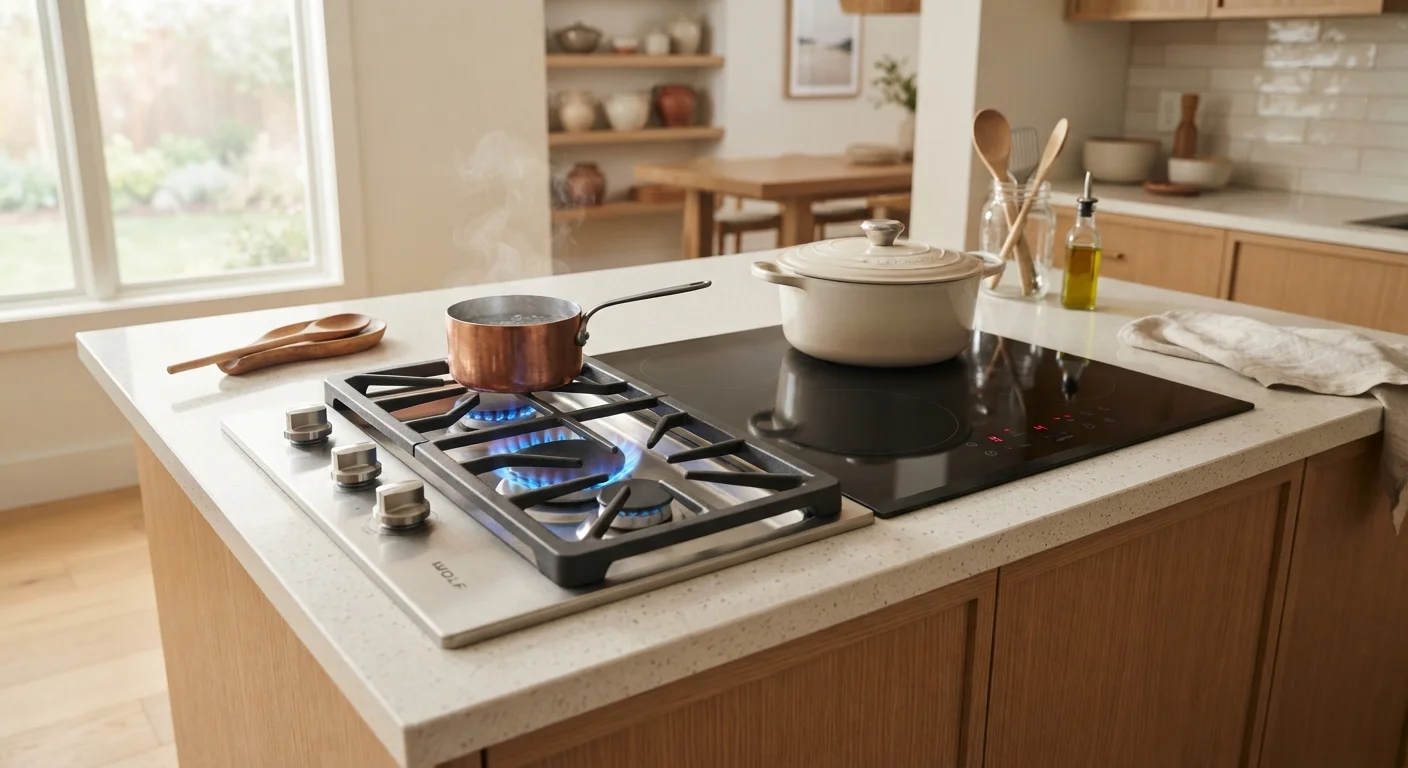
Photo: UltraSearches.com | Search Results You Can Trust editorial
Key Takeaways
- Gas ranges deliver faster heat response; electric ranges generally offer more even oven temperatures.
- Switching fuel types often requires new utility hookups, which can add significant installation cost.
- Electric smoothtop and coil ranges differ in cleanability and durability - they are not interchangeable.
- Indoor air quality considerations apply to gas cooking; adequate ventilation matters regardless of range type.
- Operating costs depend heavily on local gas and electricity rates, not just the appliance itself.
Cooking Performance: Where Each Type Excels
The performance gap between gas and electric ranges is most apparent on the stovetop. Gas burners produce an open flame that responds the moment you turn the dial - there is no lag, no residual heat. This makes adjusting temperature mid-cook intuitive. Electric coil burners retain heat after being turned down, which can lead to overshooting a target temperature. Smoothtop electric surfaces (radiant glass-ceramic) improve on this somewhat, but still lag behind gas in responsiveness.
Oven performance, however, flips the comparison. Electric ovens generally maintain more stable, even heat because they don't produce the moisture byproduct that gas combustion creates. For roasting and baking - particularly items sensitive to humidity and uneven browning - electric ovens tend to produce more consistent results. Gas ovens can develop hot spots near the burner and introduce slight moisture into the cavity, which affects certain baked goods.
Neither type is universally superior. The right choice depends on where you spend most of your cooking time: stovetop or oven. For a broader look at a third option, see how induction cooking works - it behaves differently from both.
| Criterion | Gas Range | Electric Range |
|---|---|---|
| Stovetop heat response | Immediate, highly adjustable | Slower, some residual heat |
| Oven heat consistency | Can have hot spots, slight moisture | Generally even and dry |
| Installation requirement | Gas line + 120V outlet | 240V dedicated circuit |
| Combustion byproducts | Yes - ventilation critical | None from combustion |
| Surface burn risk after use | Lower (grates cool quickly) | Higher on smoothtop surfaces |
| Operating cost | Lower where gas is cheap | Lower where electricity is cheap |
| Cleanability | Grates and burner caps require effort | Smoothtop wipes easily; coil less so |
Installation, Safety, and Ventilation
Installation requirements are often the deciding factor before performance is even considered. Gas ranges require a dedicated gas supply line and, in most jurisdictions, a properly rated flexible connector installed to code. If your kitchen lacks a gas line, adding one is a significant project involving licensed plumbers or gas technicians. Electric ranges need a 240V dedicated circuit - standard in most U.S. homes built after the mid-20th century, though older homes may require panel upgrades.
Safety considerations differ by type. Gas ranges carry risks associated with combustible fuel: potential gas leaks, carbon monoxide, and open flames near flammable materials. These risks are manageable with proper installation and working carbon monoxide detectors, but they require awareness. Electric ranges eliminate combustion risks but retain surface-burn hazards - smoothtop surfaces stay hot after the element is off, with no visual indication.
Ventilation matters with both types, but more urgently with gas. Combustion byproducts - including nitrogen dioxide - are released into the kitchen during gas cooking. A range hood vented to the exterior is strongly recommended. Electric cooking produces steam and cooking odors but no combustion gases. For an honest look at how appliance choices affect household costs over time, running costs of home appliances provides useful context.
Indoor Air Quality and Gas Cooking
Energy Costs and Long-Term Considerations
Operating costs are not fixed - they depend on your local utility rates. In areas where natural gas is priced low relative to electricity, a gas range will generally cost less to run daily. In markets where electricity rates are low or where time-of-use pricing allows off-peak cooking, the gap narrows or reverses. No single answer applies nationally.
~40%
U.S. households using gas for cooking
According to U.S. Energy Information Administration household survey data, roughly 40% of American homes cook with natural gas or propane.
3-4×
Electricity cost per BTU vs. gas in many U.S. markets
The U.S. EIA notes that in many regions, producing equivalent heat from electricity costs considerably more per BTU than natural gas, though rates vary significantly by state.
Appliance longevity is broadly comparable between the two types, though the failure points differ. Gas igniters and burner valves are the common wear items on gas ranges. Electric ranges may see heating element failures and, on smoothtop models, cracked glass-ceramic surfaces from impact or thermal shock. Repair costs and parts availability vary by brand and model age.
If you're setting up a kitchen from scratch, what new homeowners should know about kitchen appliances covers the broader decisions beyond just the range. And if you're scrutinizing utility costs across your whole home, common appliance myths that cost homeowners money addresses misconceptions that can lead to poor choices.
The content on this site is for informational purposes only and is not a substitute for professional advice. Always consult a qualified professional for guidance specific to your situation.