
The Hidden Costs of Running Home Appliances Year-Round

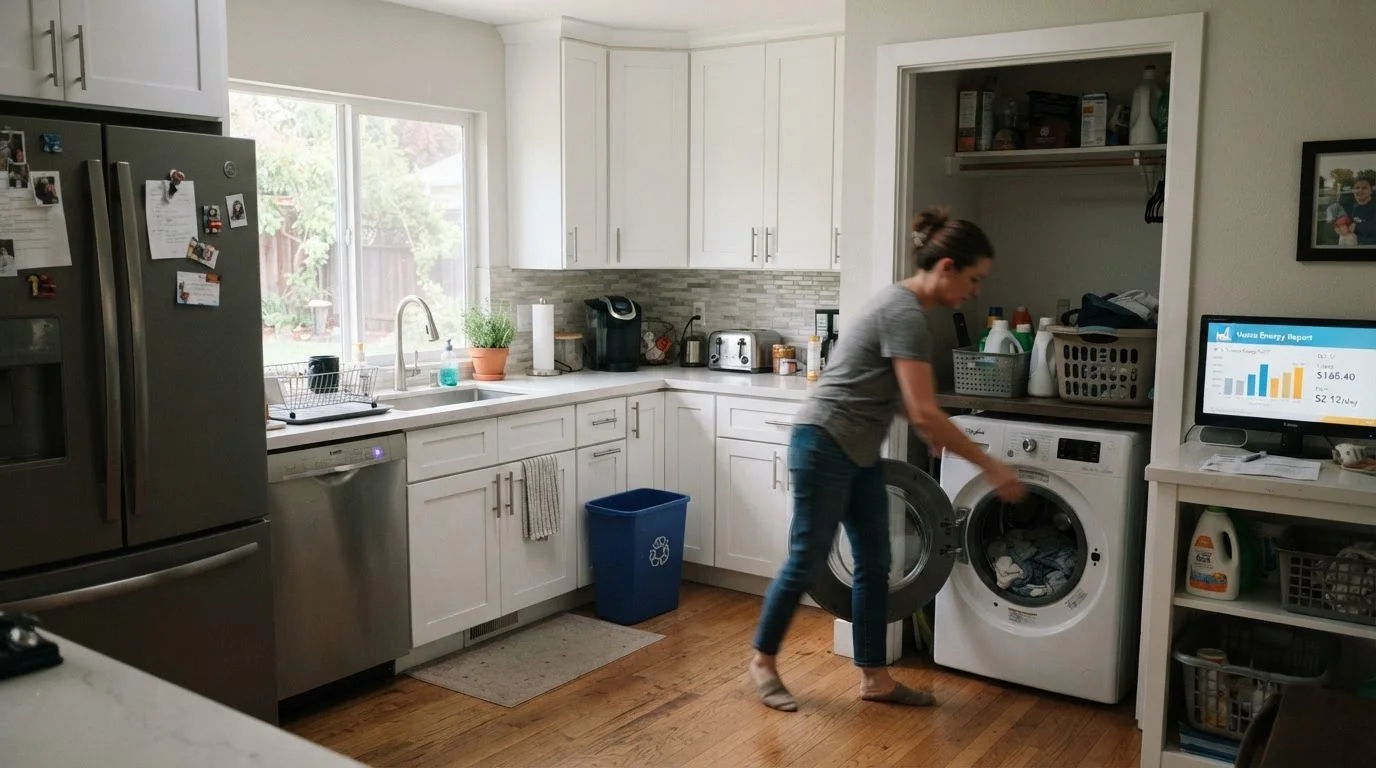
Photo: UltraSearches.com | Search Results You Can Trust editorial
Key Takeaways
- Standby power draw - sometimes called 'vampire power' - costs the average U.S. household roughly $100 or more per year.
- Your refrigerator typically accounts for around 8% of a home's total electricity use because it runs continuously.
- Water heaters, HVAC systems, and clothes dryers are among the highest-cost appliances to operate year-round.
- Placement, maintenance habits, and load size all significantly affect how much an appliance costs to run.
- Efficiency labels like Energy Star provide a useful baseline, but real-world costs depend on local utility rates and usage patterns.
The Costs You Don't See at Checkout
When a major appliance fails, most homeowners think about replacement price. But the true financial weight of home appliances accumulates slowly - in monthly electricity charges, water bills, and the occasional repair. These ongoing costs are rarely considered at the time of purchase, yet over a 10- to 15-year lifespan, they can easily surpass what was originally paid.
Understanding what drives appliance operating cost - and where the hidden drains tend to hide - is a practical first step toward making smarter decisions about both new purchases and day-to-day habits. For a broader look at everything that shapes energy consumption, see our full guide to appliance energy factors.
~$100+
Annual standby power cost per U.S. household
The U.S. Department of Energy estimates standby loads account for 5-10% of residential electricity bills.
40-50%
Share of home energy used by HVAC
According to the U.S. Energy Information Administration, space heating and cooling dominate residential energy budgets in most climates.
~8%
Share of home electricity used by refrigerators
The EIA attributes roughly 8% of total household electricity use to refrigeration due to continuous operation.
Standby Power: The Silent Drain
Most appliances and consumer electronics continue drawing electricity even when they appear to be off. This phenomenon - often called standby power or 'vampire draw' - applies to everything from microwave ovens with digital clocks to smart TVs waiting for a remote signal. The U.S. Department of Energy has noted that standby loads can account for a meaningful share of a household's total electricity use.
Individually, the wattage is small - typically 1 to 5 watts per device. Multiplied across a home full of appliances and electronics running 8,760 hours a year, the cumulative cost is real. Power strips with individual switches or smart outlets can help manage devices that don't need to stay in standby mode. For a closer look at common misconceptions about this topic, see appliance myths that cost homeowners money.
Use Smart Strips to Cut Standby Waste
The Big Ticket Appliances: What They Actually Draw
Not all appliances carry equal weight on your utility bill. A few categories consistently stand out:
- HVAC systems: Central heating and air conditioning dominate most U.S. home energy budgets, often representing 40-50% of total electricity use.
- Water heaters: Running continuously to maintain temperature, traditional tank water heaters are among the highest-cost appliances in the home after HVAC.
- Refrigerators: Because they cycle on and off around the clock, refrigerators account for a disproportionate share of energy compared to appliances used intermittently. Coil buildup and poor door seals can push those costs higher.
- Clothes dryers: Electric dryers are high-wattage appliances, often drawing 4,000-6,000 watts per cycle. Vent setup matters - a restricted duct forces longer run times and higher bills.
- Dishwashers: The heating element used to dry dishes is the primary energy draw; using air-dry settings reduces operating cost meaningfully.
Efficiency labels offer one comparison point - see how Energy Star ratings translate to real costs for more detail.
Water Consumption: The Often-Overlooked Utility Cost
Electricity gets most of the attention, but water consumption adds a second dimension to appliance operating costs. Clothes washers and dishwashers are the primary culprits, though older models consume considerably more water per cycle than current efficient designs. Front-load washers, for example, typically use significantly less water per cycle than older top-load designs - a factor worth understanding before a purchase. See how front-load and top-load washers compare on water use.
Water costs also interact with energy costs: hot water used in laundry or a dishwasher must first be heated by your water heater, compounding the per-cycle expense. Using cold-water wash cycles where appropriate reduces both water heating demand and overall utility cost. Understanding how your water and energy charges appear on your utility bill helps connect these abstract figures to real dollars.
Hot Water Use Compounds Costs
Maintenance Gaps That Inflate Running Costs
Operating costs don't stay constant - they tend to creep upward as appliances age and maintenance lapses. Dirty condenser coils force a refrigerator to work harder. A clogged dryer lint trap restricts airflow and extends cycle times. A failing door gasket on an oven lets heat escape, requiring longer cook times and more energy to compensate.
Routine maintenance addresses these efficiency losses before they compound. For a practical checklist covering the major appliances most homeowners neglect, see our appliance maintenance checklist. Staying current on these tasks doesn't just extend equipment life - it keeps operating costs closer to the appliance's designed efficiency baseline rather than a degraded real-world figure.
If you're also evaluating how these costs fit into your broader household budget, budgeting basics provides a useful framework for tracking recurring expenses like utilities alongside other monthly outflows.
“The purchase price of an appliance is really just the entry fee. For most major appliances, cumulative operating costs over a typical lifespan will exceed the original cost - sometimes by a significant margin.”
— Consumer Energy Research Community, Consensus view among residential energy efficiency analysts
Frequently Asked Questions
The content on this site is for informational purposes only and is not a substitute for professional advice. Always consult a qualified professional for guidance specific to your situation.