
Shopping With a List vs. Shopping With a Budget: Two Strategies Compared

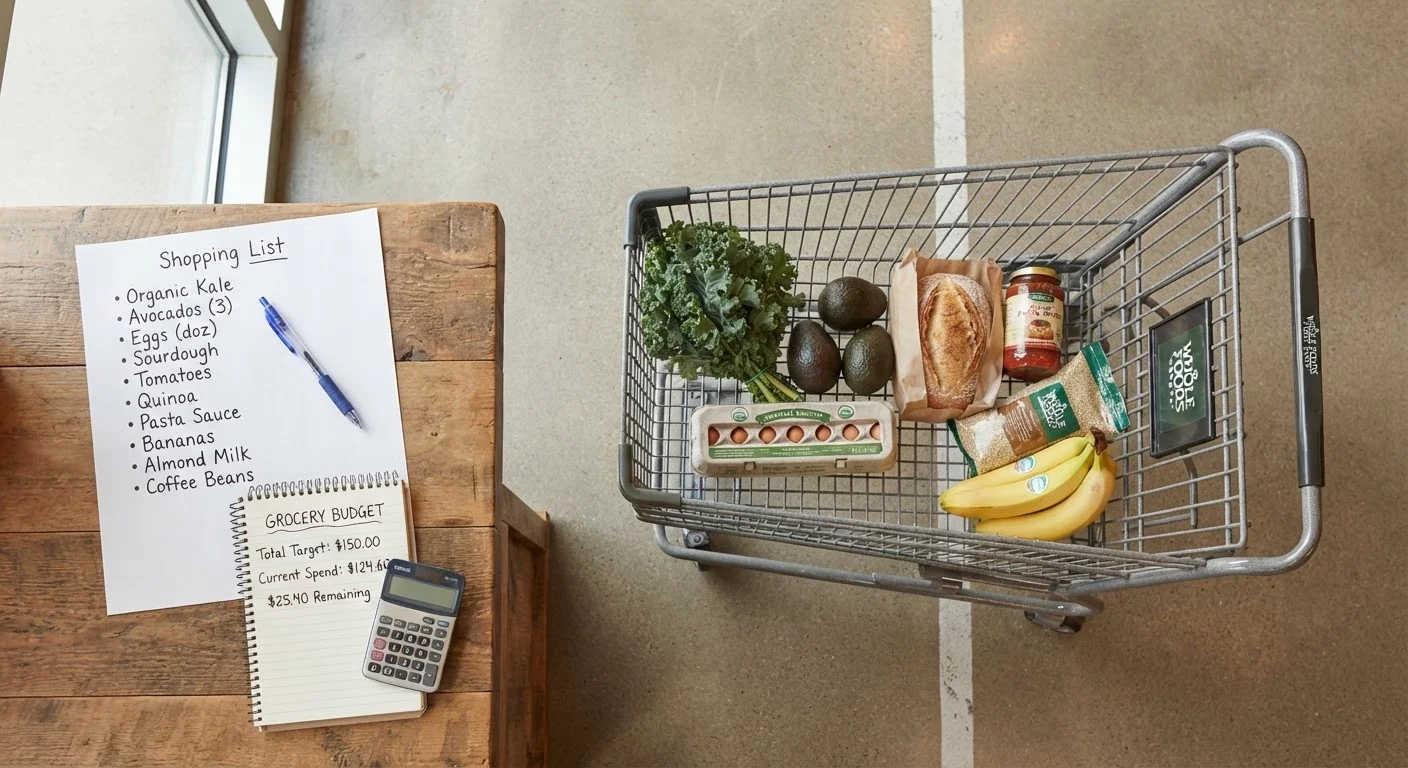
Photo: UltraSearches.com | Search Results You Can Trust editorial
Key Takeaways
- A shopping list controls what you buy; a budget controls how much you spend in total.
- Lists reduce impulse purchases most effectively when made before entering a store or app.
- Budget-based shopping requires knowing your available funds and tracking spending in real time.
- Both strategies work best when combined, especially for larger or recurring household purchases.
- Neither approach automatically prevents overspending - each requires discipline to follow through.
What Each Strategy Actually Does
These two approaches are often treated as equivalent, but they control different variables. A shopping list specifies what you intend to buy before a trip. A budget sets an upper limit on what you'll spend, regardless of the exact items. One manages scope; the other manages cost.
In practice, a list works best as a commitment device - you decide in advance so you aren't making choices under the influence of store layout, promotions, or fatigue. A budget, by contrast, leaves item selection open but enforces a financial ceiling. Both reduce unplanned spending, but through different mechanisms.
Most experienced shoppers end up using both together. But when resources or habits only allow for one, understanding each approach independently helps you choose the right fit. For a broader look at how these habits fit into deliberate purchasing overall, see being a more deliberate shopper.
| Criterion | Shopping With a List | Shopping With a Budget |
|---|---|---|
| Primary control mechanism | Limits which items are purchased | Limits total dollars spent |
| Flexibility in-store | Low - deviations require a conscious decision | Higher - item choices remain open within cap |
| Upfront effort required | Moderate - list must be built before shopping | Low - one number to set and track |
| Protection against impulse buys | Strong - pre-commitment reduces in-store decisions | Moderate - depends on real-time tracking discipline |
| Handles variable needs well | No - fixed list struggles when priorities shift | Yes - dollar cap accommodates substitution |
| Controls per-item price selection | No - item is specified, not price tier | Yes - budget forces trade-offs on price |
| Works best for | Predictable, recurring shopping trips | Variable or one-time shopping with spending limits |
How Each Approach Holds Up Under Real Conditions
Lists are highly effective in predictable shopping contexts - routine grocery runs, restocking household supplies, or buying specific clothing items. They become less practical when needs are uncertain, prices are highly variable, or you're shopping a category where availability matters (such as seasonal or clearance items).
Budgets are more adaptive. If a specific item is out of stock or higher-priced than expected, a budget allows you to substitute without the trip feeling like a failure. This flexibility can be an advantage - or a weakness, since it leaves room for rationalized overspending on higher-margin alternatives.
~33%
Share of grocery purchases that are unplanned
Consumer behavior research consistently finds that a significant share of in-store grocery purchases are unplanned, though exact figures vary by study and store format.
2-in-3
Shoppers who report going over budget without a plan
Surveys on consumer spending habits frequently find that shoppers without a pre-set limit or list are more likely to spend beyond their intended amount.
One real limitation of list-only shopping: it doesn't prevent you from buying listed items in excessive quantities, or selecting expensive versions of each item. A list says what, not how much or at what price point. This is where a budget adds meaningful constraint. For related reading, buying in bulk isn't always a savings strategy - something a list alone won't prevent.
Practical Considerations Before Choosing
Your household's spending patterns, income regularity, and shopping frequency all influence which method delivers more value. Consider the following before committing to one approach:
- Income timing: If you shop on a fixed paycheck schedule, a budget tied to available funds is more concrete than a list with no cost awareness attached.
- Shopping frequency: Frequent, smaller trips favor list-based control. Larger, less frequent hauls often benefit from a budget ceiling to prevent accumulation creep.
- Category type: Grocery shopping often suits lists well. Clothing or home goods shopping - where substitution is common - can benefit more from a budget framework. See how this plays out in dressing well on a tight budget.
- Household size: Multi-person households with shared needs may find budgets easier to enforce collectively, while individuals often find lists more manageable.
Combining Both Approaches
For shoppers weighing how to structure spending at a broader level, understanding fixed versus variable expenses is a useful foundation before adopting either method consistently.
The content on this site is for informational purposes only and is not a substitute for professional advice. Always consult a qualified professional for guidance specific to your situation.