
Everyday Fashion

Dressing Well on a Tight Budget: Approaches That Hold Up Over Time

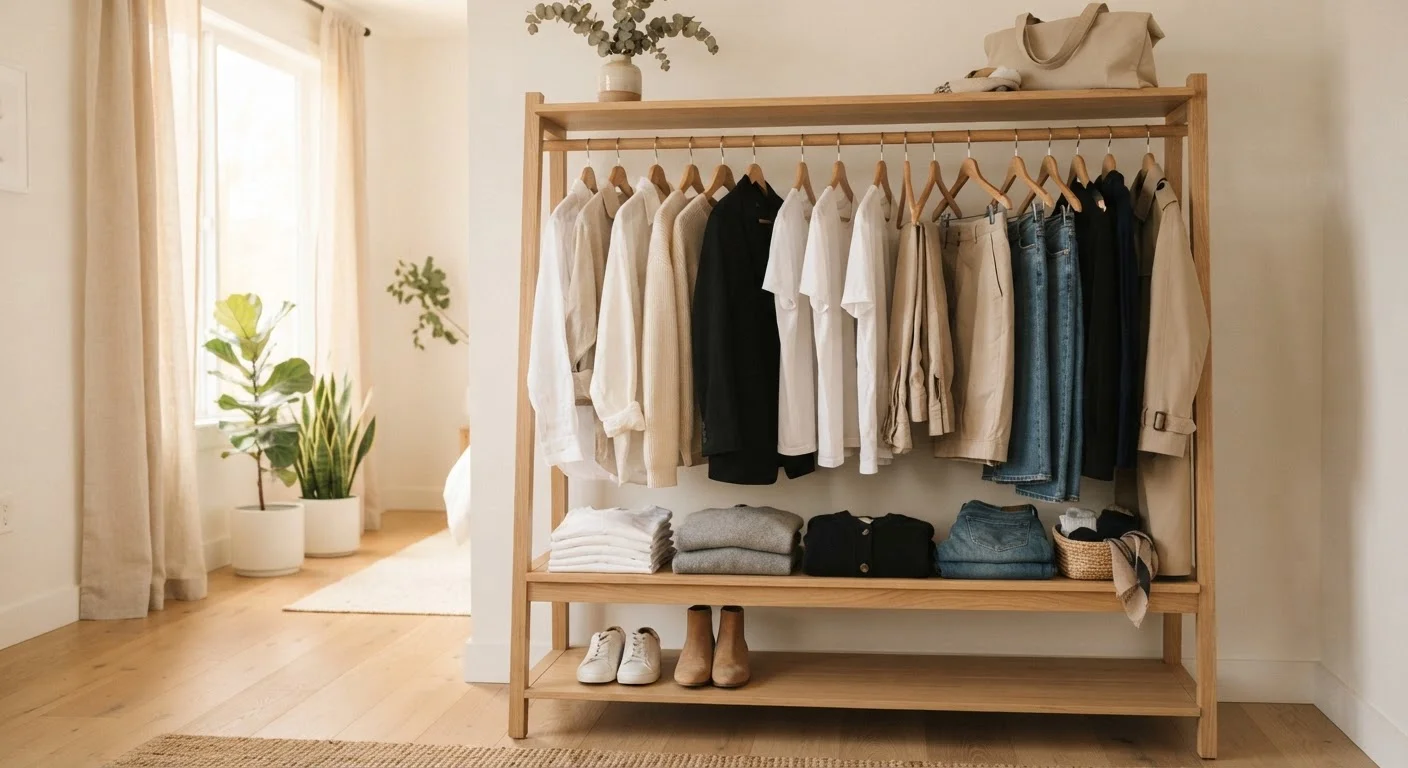
Dressing Well on a Tight Budget: Approaches That Hold Up Over Time

Photo: UltraSearches.com | Search Results You Can Trust editorial

A limited clothing budget doesn't mean a limited wardrobe. Explore practical strategies for making thoughtful, durable choices when money is genuinely tight.

Key Takeaways

  • Buying fewer, more versatile pieces often costs less overall than frequent impulse purchases.
  • Fabric quality and construction are more reliable indicators of longevity than price tags alone.
  • Secondhand and thrift shopping can meaningfully stretch a limited clothing budget.
  • Caring properly for clothes you already own is one of the highest-return habits you can build.
  • A clear sense of your daily life and actual needs beats chasing trends every season.

Why Budget Dressing Requires a Different Mindset

When money is genuinely tight, the pressure to look put-together can feel like an added stress rather than a pleasure. But the biggest obstacle to dressing well on a limited budget usually isn't the budget itself — it's the habit of spending small amounts frequently without intention. A $10 impulse purchase made ten times is a $100 decision that rarely builds a wardrobe worth wearing.

The shift worth making is from reactive buying to deliberate buying. That means getting clear on what you actually wear, what your life actually demands, and where the real gaps in your closet are before any money changes hands. If you're starting from nothing, the guide to building a wardrobe from scratch lays out a step-by-step approach that works regardless of budget. The mindset that makes budget dressing work is patience — and that's entirely learnable.

1

Prioritize fabric and construction over label or price

Garment longevity is determined far more by how something is made than what it costs. Natural fibers like cotton, wool, and linen tend to breathe better and hold shape longer than many synthetics, though blended fabrics can also offer durability at accessible price points. Learning to check seam allowances, stitching density, and fabric weight takes five minutes and can save you from a poor purchase.
Example: A mid-weight cotton T-shirt with reinforced seams at the shoulders and collar will typically outlast a cheap thin version by a year or more with identical care.
2

Define your actual lifestyle needs before buying anything

Most wardrobe mistakes happen when people buy for a life they don't have — formal pieces they rarely wear, trend items that don't fit their routine. Mapping out what you actually do each week (work, errands, social occasions, physical activity) reveals where your real clothing gaps are. This prevents spending in the wrong categories entirely.
Example: Someone who works remotely and spends weekends outdoors needs very different staples than someone commuting to an office five days a week — and mixing those up wastes budget fast.
3

Shop secondhand with a specific list

Thrift stores, consignment shops, and clothing swaps can offer genuinely good-quality pieces at a fraction of new retail prices. The key to making secondhand shopping productive rather than overwhelming is going in with a specific list of what you need. Without a list, it's easy to buy items that don't integrate with anything you own.
Example: Going to a thrift store looking specifically for a well-fitting pair of dark trousers narrows the search and increases the chance of a find that actually gets worn.
4

Treat wardrobe decisions as reversible — slowly

One of the quiet budget drains is making irreversible wardrobe changes too quickly — cutting, dyeing, or discarding items before testing whether they actually solve the problem. Many wardrobe choices that are harder to undo than they look compound over time. Slowing down before any decision that can't easily be reversed protects both money and options.
Example: Before donating every formal piece during a move toward casual dressing, storing them for a season first can reveal whether you genuinely don't reach for them — or just haven't had occasion yet.
5

Build outward from a small core of neutral basics

A handful of well-fitting, neutral-colored garments dramatically increases the number of functional outfits you can put together without buying more. Neutrals mix easily, making every new addition more useful. This approach also makes minimalist dressing accessible without requiring a full lifestyle overhaul.
Example: Three or four pieces in navy, white, gray, or khaki can realistically form the backbone of ten or more wearable combinations when cut and fit are right.

The Practices That Actually Hold Up

These aren't abstract ideals — they're concrete habits that experienced budget dressers return to again and again. Each one addresses a specific pattern that tends to drain clothing budgets quietly over time.

high Do a fifteen-minute closet audit: pull out everything you haven't worn in six months and ask honestly why — fit, occasion, or just forgotten?
high Before your next clothing purchase, write down three outfits you'd wear the item in. If you can't reach three, reconsider.
medium Switch to cold-water washing and air-drying for your most-worn pieces this week to immediately extend their lifespan.
medium Check whether there's a clothing swap, community exchange, or local thrift store near you — just knowing your options costs nothing.
high Identify one versatile neutral piece that's missing from your current wardrobe and make it your only clothing goal for the next month.

It's also worth understanding the broader trade-offs between different buying approaches. Fast fashion vs. slow fashion each come with real implications for cost and longevity — knowing the difference helps you make more intentional decisions at the point of purchase.

Making What You Own Go Further

Buying less is only half the equation. How you care for and use what you already own matters just as much. Clothes worn and washed correctly last significantly longer — washing garments inside out in cold water, air-drying when possible, and storing knitwear folded rather than hung all reduce wear meaningfully over time.

Small Care Habits, Big Longevity Gains

Washing clothes less frequently (spot-cleaning when possible) reduces fiber breakdown significantly over the life of a garment. Store knitwear and heavy fabrics folded rather than on hangers to prevent stretching. These habits cost nothing and can add months or years to your most-used pieces.

Versatility is worth actively building too. A piece that works in three different outfits is three times as valuable as one that works in only one. Layering clothes that actually work together is one of the most practical skills for expanding what your existing wardrobe can do — no new purchases required. And when seasons shift, you don't need a shopping overhaul: seasonal wardrobe transitions without buying an entirely new closet walks through how to work with what you already have.

~$1,700

Average annual U.S. household spending on apparel

According to the U.S. Bureau of Labor Statistics Consumer Expenditure Survey, American households spend roughly this amount on clothing and related services each year.

~50%

Clothes worn less than a handful of times

Research cited by the Ellen MacArthur Foundation suggests a significant portion of clothing in many wardrobes is rarely or never worn after purchase.

Dressing well on a tight budget connects naturally to broader financial habits too. The Budgeting Basics hub and Everyday Money Tips are both worth exploring if you're trying to make more intentional decisions across the board — not just in your closet.

This article is for informational and educational purposes only. Individual results will vary based on personal circumstances, local availability, and specific product quality.

Style & Beauty Editorial Team

UltraSearches.com | Search Results You Can Trust

Style & Beauty Editorial Team is the collective byline for our editorial team and contributor network. Articles published under this byline or an editorial pen name are researched, written, and reviewed according to our editorial standards for clarity, consistency, and independence before publication.

Everyday FashionBeauty BasicsPersonal Grooming
View author profile

The content on this site is for informational purposes only and is not a substitute for professional advice. Always consult a qualified professional for guidance specific to your situation.