
Subscription Traps: How Free Trials Quietly Become Recurring Charges

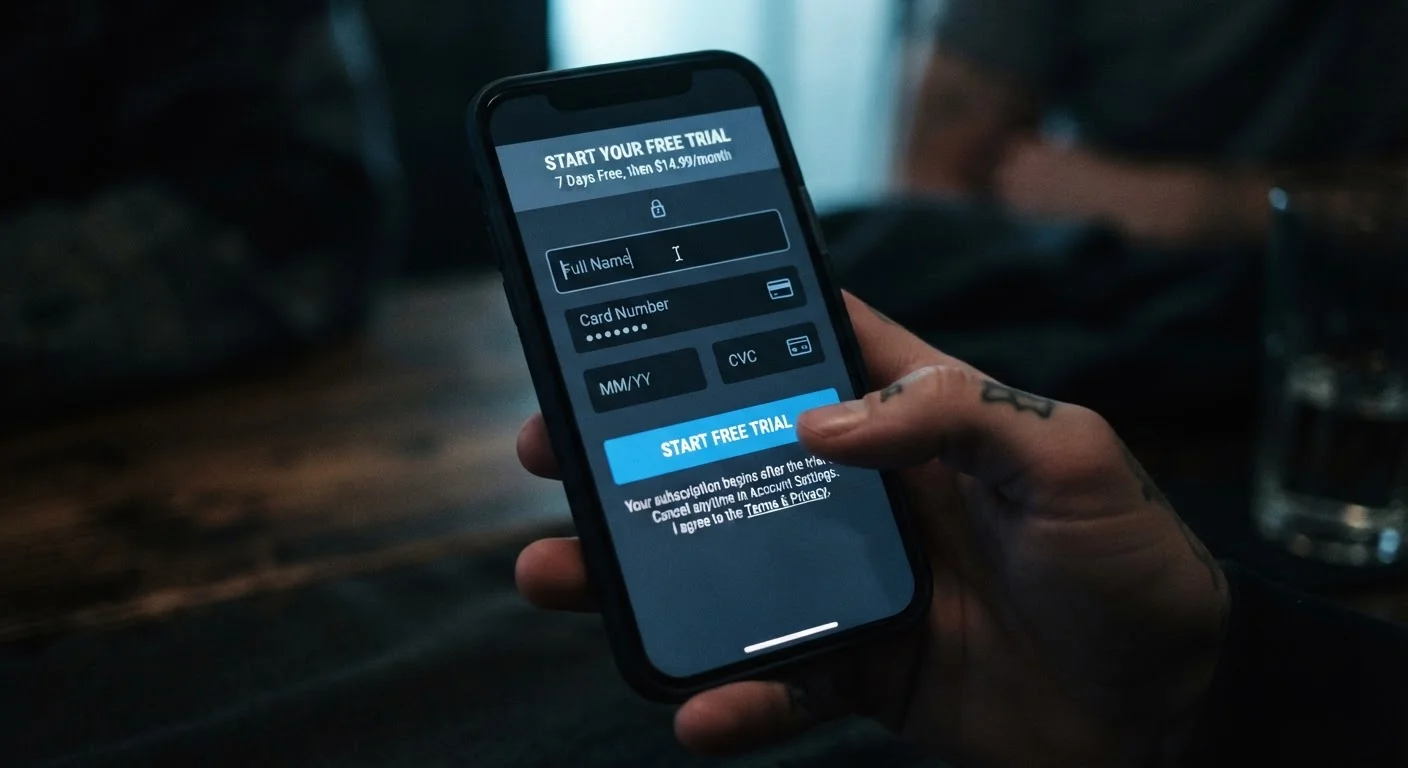
Photo: UltraSearches.com | Search Results You Can Trust editorial
Key Takeaways
- Free trials that require a credit card automatically convert to paid plans unless cancelled before the deadline.
- Pre-checked upsell boxes and bundled add-ons can inflate the eventual charge beyond the advertised rate.
- Cancellation processes are often deliberately difficult, burying the option behind multiple steps or contact requirements.
- A simple calendar reminder or spending tracker can prevent most unwanted subscription charges.
Why Free Trials Aren't Always Free
A free trial feels like a no-risk way to evaluate a service. In practice, many trials are structured to maximize conversion to paid plans - and the default setting is to charge you automatically the moment the trial period ends.
The mechanism is straightforward: by entering payment details at sign-up, you authorize a future charge. The company hopes you'll forget, find cancellation inconvenient, or decide the service is worth keeping. This isn't accidental - it's a deliberate enrollment design. Understanding it is the first step to not being caught off guard.
These charges add up quietly. Each individual subscription may seem minor, but several forgotten trials running simultaneously can meaningfully affect a monthly budget. See our spending tracking guide for practical methods to keep recurring charges visible.
Entering payment details without checking the post-trial charge date.
Assuming you'll remember to cancel before the trial ends.
Accepting pre-checked add-ons or upgrades during the sign-up flow.
Not verifying how to cancel before starting the trial.
Ignoring bank statements until a significant charge appears.
What to Do Before and After You Sign Up
Prevention starts before you enter payment information. A few consistent habits reduce the risk of unwanted charges substantially.
- Set a calendar alert immediately. The moment you start a trial, add a reminder two days before the trial ends - enough buffer to cancel without rushing.
- Use a dedicated card or virtual card number. Some banks and financial apps issue single-use or merchant-locked virtual card numbers. These limit a company's ability to charge beyond what you've authorized.
- Read the cancellation terms, not just the trial terms. Some services require cancellation by phone or chat only, which adds friction and time. Know this before committing.
- Check your statements monthly. A monthly money check-in is a reliable way to catch charges you didn't intend to authorize.
42%
Consumers unaware of active subscriptions
A 2022 C+R Research survey found that 42% of respondents did not realize they were still paying for at least one subscription service they no longer used.
$219/month
Average monthly subscription spend
The same C+R Research study found consumers spent an average of $219 per month on subscriptions, often significantly more than they self-estimated.
Free trials also frequently arrive bundled with optional add-ons pre-selected at checkout. These can include premium tiers, cloud storage upgrades, or companion app access - each potentially billed separately. Review every checkbox on a sign-up page before submitting. This is part of a broader pattern of charges that inflate what you actually pay; hidden checkout costs follow similar logic.
Free Trial Emails Can Expire in Your Inbox
If you've already been charged unexpectedly, contact your card issuer promptly. Most issuers will flag a dispute, and subscription companies frequently offer refunds to avoid chargebacks - though this isn't guaranteed. Going forward, autopay arrangements deserve the same scrutiny; common misconceptions about them are worth reviewing in our autopay myths explainer.
This article is for general informational purposes only and does not constitute financial or legal advice. Readers should review the specific terms of any subscription service and consult their financial institution for guidance relevant to their situation.
The content on this site is for informational purposes only and is not a substitute for professional advice. Always consult a qualified professional for guidance specific to your situation.