
The Tradeoffs of High-Deductible Health Plans

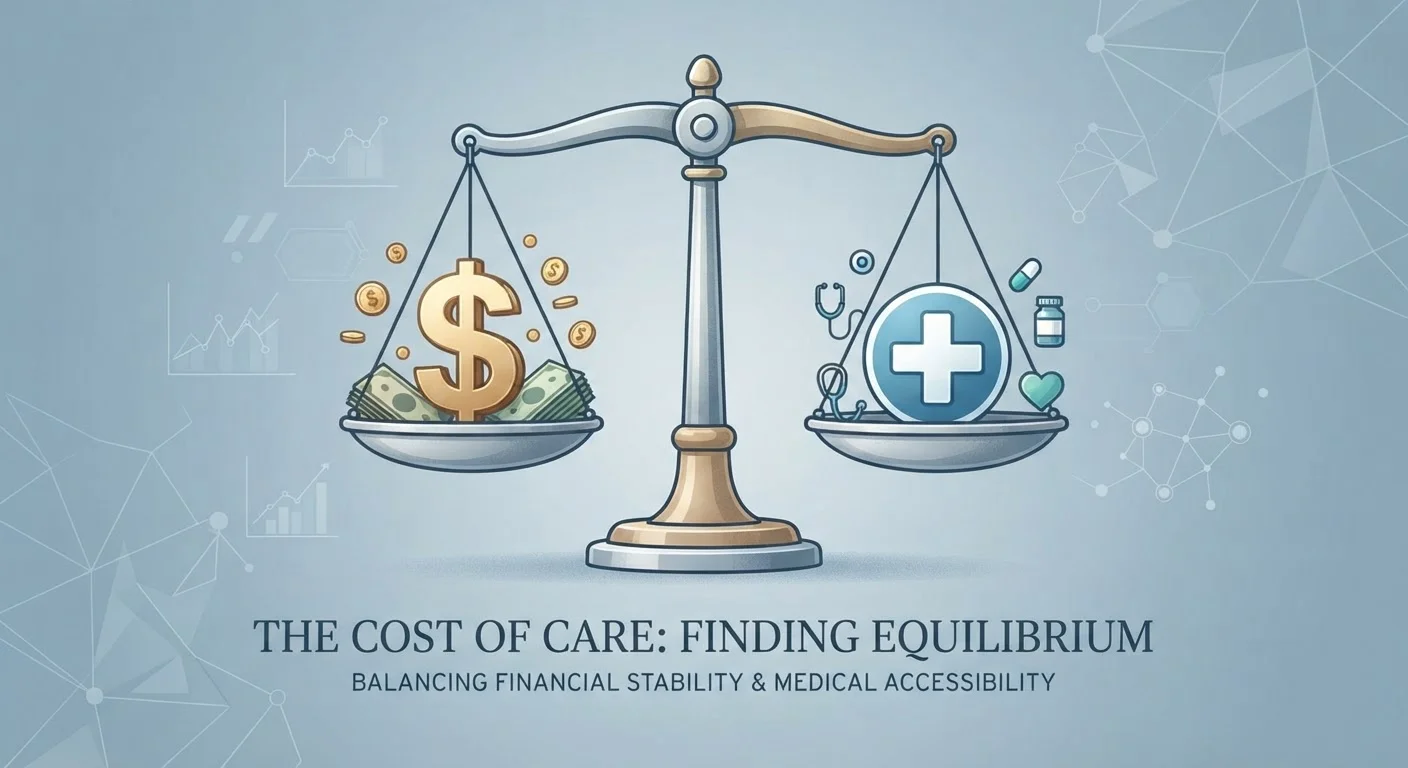
Photo: UltraSearches.com | Search Results You Can Trust editorial
Key Takeaways
- HDHPs have lower monthly premiums but require you to pay more out-of-pocket before coverage kicks in.
- To qualify as an HDHP, a plan must meet minimum deductible thresholds set annually by the IRS.
- HDHP enrollees are eligible to contribute to a Health Savings Account (HSA), which offers triple tax advantages.
- People who use little healthcare and can afford the deductible tend to benefit most from HDHPs.
- Chronic conditions or frequent care needs can make the higher out-of-pocket exposure costly.
Lower monthly premiums reduce regular expenses
HDHP premiums are typically significantly lower than those for traditional plans like PPOs or HMOs with lower deductibles. For someone who rarely visits a doctor, that monthly savings can be substantial over the course of a year.
Eligibility to open and fund a Health Savings Account
Enrolling in a qualifying HDHP makes you eligible to contribute to an HSA - a tax-advantaged account that lets you save pre-tax dollars for qualified medical expenses. See how HSAs work and who they're designed for for a full breakdown.
Out-of-pocket maximum caps your worst-case exposure
Like all ACA-compliant plans, HDHPs include an annual out-of-pocket maximum. Once you hit that ceiling, the insurer covers 100% of in-network costs for the rest of the year.
Encourages cost-conscious healthcare decisions
Because enrollees pay the full negotiated rate for care until they meet their deductible, many become more deliberate about comparing costs, using in-network providers, and avoiding unnecessary visits.
High upfront costs before coverage meaningfully activates
Until you meet your deductible - which must be at least $1,600 for self-only coverage or $3,200 for family coverage in 2024 - you generally pay the full negotiated cost of services. For a family facing an unexpected illness or injury, this can add up quickly.
Can discourage necessary care due to cost concerns
Research has consistently shown that higher cost-sharing leads some patients to delay or skip care, including preventive or early-intervention services. Skipping needed care can result in worse health outcomes and higher costs later.
Prescription drug costs can be burdensome before deductible
Unlike some traditional plans that offer flat copays for prescriptions from day one, HDHPs often require you to pay full price for medications until the deductible is met. This can be a significant strain for anyone on regular maintenance medications.
HSA benefit only materializes if you can actually contribute
The triple tax advantage of an HSA is real, but only useful if you have the cash flow to fund the account. Households already stretched thin may struggle to build meaningful HSA reserves to offset the higher deductible.
Family coverage deductibles can be structured differently
On some HDHP family plans, the full family deductible must be met before the plan pays for any family member's care - unlike traditional plans that may apply individual deductibles. This structure can create unexpectedly large bills.
What Is an HDHP and How Does It Work?
A high-deductible health plan (HDHP) is a type of health insurance policy structured around lower monthly premiums in exchange for a higher deductible - meaning you pay more out-of-pocket for care before the insurer begins sharing costs. The IRS formally defines what counts as an HDHP each year, setting minimum deductible amounts and maximum out-of-pocket limits that plans must meet to qualify.
What Makes a Plan an HDHP?
Preventive care is an important exception: under the Affordable Care Act, most HDHPs must cover a defined set of preventive services - such as annual physicals and certain screenings - at no cost to the enrollee, even before the deductible is met. Beyond that, you typically pay the full negotiated rate for services until your deductible is satisfied, after which cost-sharing (such as coinsurance) applies until you reach your out-of-pocket maximum.
To understand how deductibles interact with your out-of-pocket maximum, see how these two figures shape your health costs.
The Case for an HDHP: Real Advantages
For the right enrollee, an HDHP offers genuine financial benefits that go beyond the surface-level appeal of a lower premium.
Lower monthly premiums reduce regular expenses
HDHP premiums are typically significantly lower than those for traditional plans like PPOs or HMOs with lower deductibles. For someone who rarely visits a doctor, that monthly savings can be substantial over the course of a year.
Eligibility to open and fund a Health Savings Account
Enrolling in a qualifying HDHP makes you eligible to contribute to an HSA - a tax-advantaged account that lets you save pre-tax dollars for qualified medical expenses. See how HSAs work and who they're designed for for a full breakdown.
Out-of-pocket maximum caps your worst-case exposure
Like all ACA-compliant plans, HDHPs include an annual out-of-pocket maximum. Once you hit that ceiling, the insurer covers 100% of in-network costs for the rest of the year.
Encourages cost-conscious healthcare decisions
Because enrollees pay the full negotiated rate for care until they meet their deductible, many become more deliberate about comparing costs, using in-network providers, and avoiding unnecessary visits.
The premium savings are the most immediate advantage - but the HSA benefit is arguably more valuable over time. Contributions go in pre-tax, grow tax-free, and can be withdrawn tax-free for qualified medical expenses, creating what's often called a triple tax advantage. Unused balances roll over indefinitely, and after age 65, HSA funds can be used for any purpose (though non-medical withdrawals are then taxed as ordinary income). Read a full explanation of how HSAs work to understand contribution limits and eligible expenses.
The Risks and Downsides Worth Knowing
HDHPs carry real tradeoffs that can make them poorly suited for certain situations.
High upfront costs before coverage meaningfully activates
Until you meet your deductible - which must be at least $1,600 for self-only coverage or $3,200 for family coverage in 2024 - you generally pay the full negotiated cost of services. For a family facing an unexpected illness or injury, this can add up quickly.
Can discourage necessary care due to cost concerns
Research has consistently shown that higher cost-sharing leads some patients to delay or skip care, including preventive or early-intervention services. Skipping needed care can result in worse health outcomes and higher costs later.
Prescription drug costs can be burdensome before deductible
Unlike some traditional plans that offer flat copays for prescriptions from day one, HDHPs often require you to pay full price for medications until the deductible is met. This can be a significant strain for anyone on regular maintenance medications.
HSA benefit only materializes if you can actually contribute
The triple tax advantage of an HSA is real, but only useful if you have the cash flow to fund the account. Households already stretched thin may struggle to build meaningful HSA reserves to offset the higher deductible.
Family coverage deductibles can be structured differently
On some HDHP family plans, the full family deductible must be met before the plan pays for any family member's care - unlike traditional plans that may apply individual deductibles. This structure can create unexpectedly large bills.
The risk of forgoing care because of cost is one of the most documented concerns with high-deductible designs. If you or a family member has a chronic condition, takes multiple prescriptions, or is likely to need specialist visits, the deductible exposure can easily erode - or exceed - whatever you save on premiums. Understanding how premiums, subsidies, and total costs connect can help you run the real numbers before choosing a plan.
It's also worth checking how your plan handles out-of-network care. Out-of-network costs can be significant and can catch HDHP enrollees off guard, since the amounts paid out-of-network may not count toward your in-network deductible.
Who Tends to Benefit - and Who Should Think Twice
HDHPs are not inherently better or worse than other plan types. Their value is highly individual.
HDHPs tend to work well for:
- Generally healthy adults who rarely need medical care beyond annual preventive visits
- People with the financial flexibility to fund an HSA and cover the deductible if needed
- Higher earners who benefit most from the tax advantages an HSA provides
- Those whose employer contributes to the HSA, reducing or eliminating the gap
HDHPs tend to be a harder fit for:
- Individuals managing chronic conditions requiring regular specialist visits or prescription medications
- Families with children who have unpredictable care needs
- Anyone whose budget would not absorb a sudden bill of $1,600 to $3,200 or more
- People who tend to delay care when costs feel high
If you're comparing plans during open enrollment, a step-by-step walkthrough of the plan comparison process can help you project your actual expected costs under each option. Also be aware of common misunderstandings that lead to surprise costs - some are especially likely with HDHP structures.
This article is for general informational purposes only and does not constitute personalized insurance, financial, or medical advice. Coverage terms, deductible thresholds, and HSA rules vary by plan and change annually. Consult a licensed insurance agent or financial adviser to evaluate your specific situation.
The content on this site is for informational purposes only and is not a substitute for professional advice. Always consult a qualified professional for guidance specific to your situation.