
Zero-Based Budgeting vs. the 50/30/20 Rule

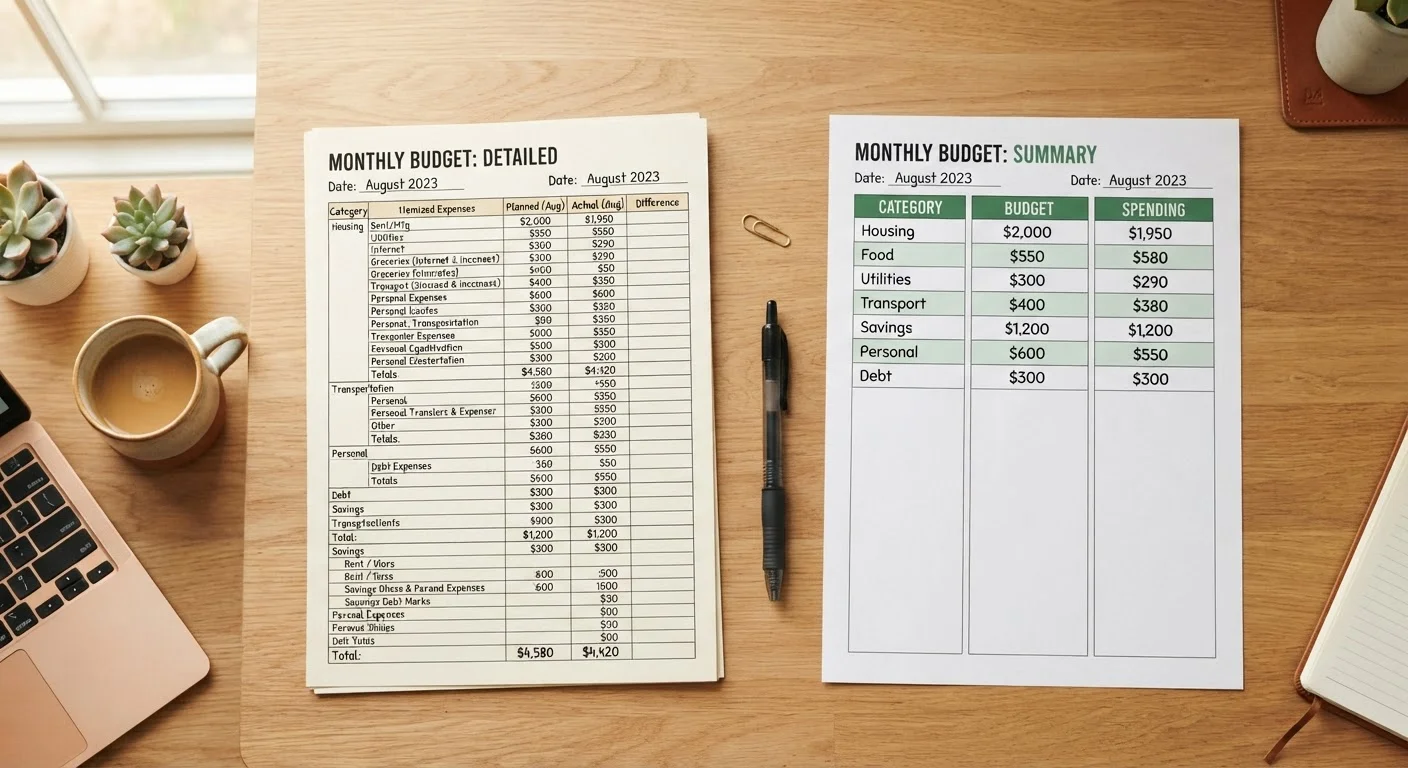
Photo: UltraSearches.com | Search Results You Can Trust editorial
Key Takeaways
- Zero-based budgeting assigns every dollar of income a specific purpose before the month begins.
- The 50/30/20 rule splits income into three broad buckets: needs, wants, and savings or debt.
- Zero-based budgeting requires more time and discipline; the 50/30/20 rule is faster to maintain.
- Neither method guarantees financial results - consistent follow-through matters more than the system chosen.
- Your income stability, financial goals, and personal habits should guide which framework you try first.
How Each Method Works
Before choosing a budgeting system, it helps to understand exactly what each one asks of you - not just in theory, but in practice week to week. If some of the terms below are unfamiliar, our budgeting glossary for beginners defines them clearly.
Zero-Based Budgeting
With zero-based budgeting, you start from a blank slate each month and allocate every dollar of your expected income to a specific category - housing, groceries, transportation, savings, debt payments, and so on - until the balance left to assign reaches zero. That doesn't mean spending everything; it means giving every dollar a designated role, including dollars earmarked for savings or an emergency fund. For a deeper look at the trade-offs, see the genuine benefits and real drawbacks of zero-based budgeting.
The 50/30/20 Rule
The 50/30/20 rule divides your after-tax income into three percentage-based buckets: 50% toward needs (rent, utilities, groceries, minimum debt payments), 30% toward wants (dining out, entertainment, subscriptions), and 20% toward savings and additional debt repayment. Our full explanation of the 50/30/20 rule walks through how to apply each category to your own finances.
| Criterion | Zero-Based Budgeting | The 50/30/20 Rule |
|---|---|---|
| Setup time | 30-60 min per month | Under 15 min per month |
| Level of detail | Every dollar assigned a category | Three broad percentage buckets |
| Works well with variable income | Yes - rebuilt each month | Less suited - percentages can shift |
| Good for beginners | Steep learning curve | Easy starting point |
| Debt payoff focus | Highly effective - granular control | Moderate - included in 20% bucket |
| Ongoing maintenance | High - requires regular tracking | Low - periodic category review |
Key Differences Worth Knowing
Both frameworks aim to bring order to your spending - but they do it in meaningfully different ways. Here's what those differences look like in everyday life.
~74%
Americans living paycheck to paycheck
According to a PYMNTS and LendingClub report, roughly three in four U.S. consumers reported living paycheck to paycheck, underscoring the demand for practical budgeting tools.
1 in 3
Adults with no written budget
Surveys by the National Foundation for Credit Counseling have consistently found that a significant share of U.S. adults do not maintain any formal budget.
Time and Effort
Zero-based budgeting is more labor-intensive. You're essentially building a financial plan from scratch each month, which can take 30-60 minutes depending on how many spending categories you track. The 50/30/20 rule, by contrast, asks you to sort transactions into three buckets - a task most people can complete in minutes.
Flexibility vs. Precision
The 50/30/20 rule offers flexibility within each category. As long as your needs stay under 50% and your wants under 30%, how you allocate within those ranges is up to you. Zero-based budgeting is more precise by design - every line item is accounted for, which can surface spending habits the broader percentages might obscure.
Income Variability
For people with fluctuating income - freelancers, gig workers, or those with commission-based pay - the 50/30/20 rule can feel harder to anchor because the percentages shift with income swings. Zero-based budgeting rebuilds the plan each month around what actually came in, which can work better for irregular earners. That said, the 50/30/20 rule has real limitations for variable-income households worth understanding before committing.
Neither method operates in isolation - your shopping habits matter too. See how list-based and budget-based shopping strategies compare for reinforcing whichever budgeting approach you choose.
Choosing the Right Framework for You
There's no universally correct answer here. The method that works is the one you'll actually use consistently. A few practical considerations:
- If you're carrying significant debt, the precision of zero-based budgeting can help you direct extra dollars toward repayment more intentionally. Pairing it with a structured payoff strategy - such as those described in our comparison of the snowball and avalanche debt payoff methods - may accelerate progress.
- If you're building a savings habit from scratch, the 50/30/20 rule's 20% savings target gives you a clear benchmark without requiring you to track dozens of categories immediately.
- If you prefer analog methods, consider how zero-based budgeting compares to envelope budgeting, which applies similar discipline in a tactile format. For broader money management guidance, the Everyday Money Tips hub and our Saving & Credit resources offer practical next steps regardless of which system you choose.
Ultimately, the best budget framework is a tool, not a guarantee. Consistent use, honest tracking, and periodic review matter far more than which system you start with. If one method isn't working after a few months, switching is a reasonable and practical decision - not a failure.
This article is for general informational purposes only and does not constitute personalized financial advice. For guidance specific to your situation, consider consulting a licensed financial professional.
The content on this site is for informational purposes only and is not a substitute for professional advice. Always consult a qualified professional for guidance specific to your situation.