
Secured vs. Unsecured Credit Cards: How Each One Works

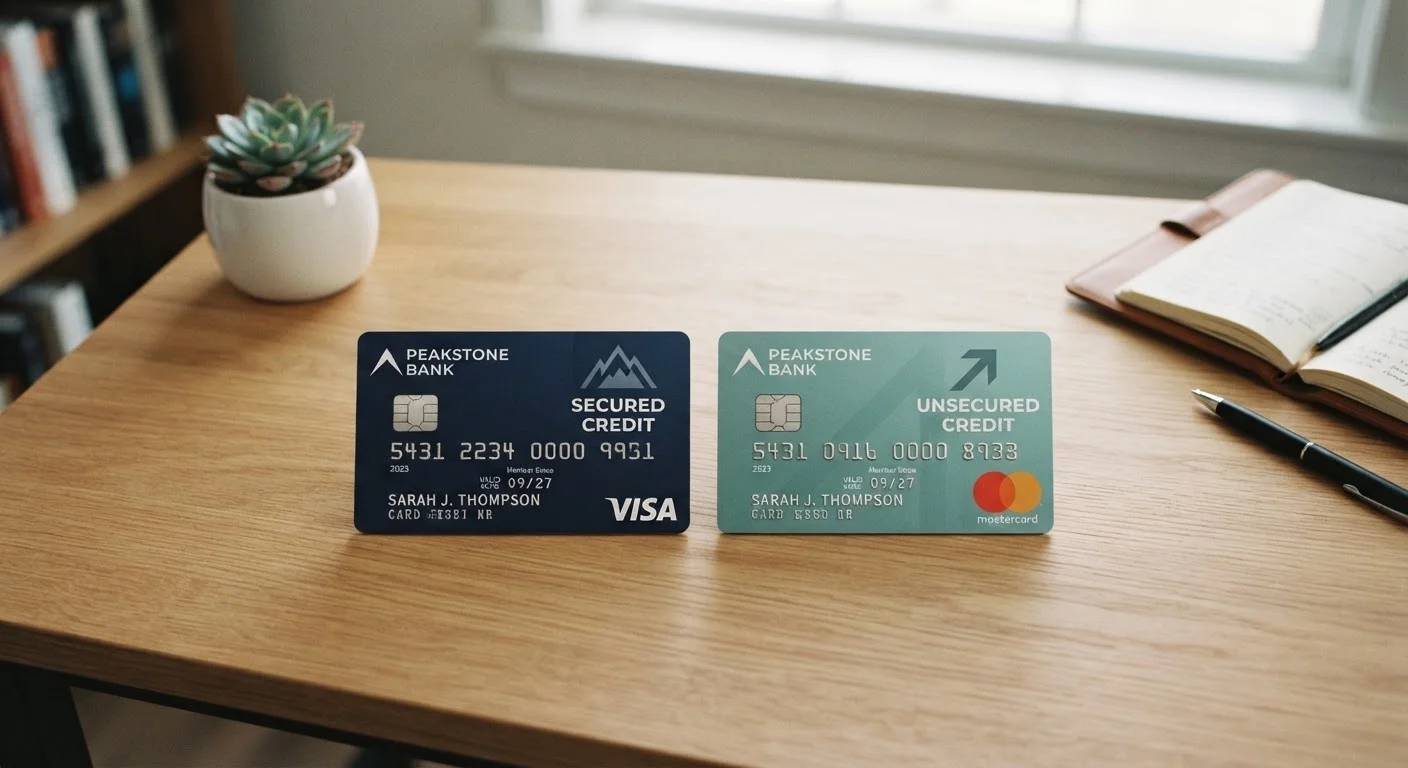
Photo: UltraSearches.com | Search Results You Can Trust editorial
Key Takeaways
- Secured cards require a cash deposit that typically becomes your credit limit.
- Unsecured cards extend credit based on your credit score and income-no deposit needed.
- Both card types report to the major credit bureaus, making either useful for building credit history.
- Secured cards often carry higher fees and interest rates than comparable unsecured cards.
- Graduating from a secured card to an unsecured card is a common credit-building milestone.
The Core Difference: Collateral
The single biggest distinction between a secured and an unsecured credit card comes down to one word: collateral. A secured credit card requires you to place a refundable cash deposit with the issuer before your account opens. That deposit-commonly ranging from $200 to $500-typically becomes your credit limit. It sits in a separate account and protects the issuer if you don't pay your bill.
An unsecured credit card works the other way around. The issuer extends credit based on your credit score, income, and credit history without requiring any upfront money from you. If you carry a balance and don't pay, the issuer takes on that risk directly, which is why approval standards are generally higher.
From a day-to-day usage standpoint, the cards are functionally identical: you swipe, tap, or enter card details to pay for things, and you receive a monthly statement showing what you owe. The differences emerge in how you qualify, what you pay in fees, and how the credit limit is set.
| Criterion | Secured Card | Unsecured Card |
|---|---|---|
| Deposit required | Yes - typically $200-$500 | No deposit needed |
| Approval criteria | More accessible; deposit reduces risk | Based on credit score and history |
| Credit limit | Usually equals your deposit | Set by issuer based on creditworthiness |
| Typical APR | Often higher than average | Varies; generally lower for good credit |
| Reports to credit bureaus | Yes | Yes |
| Best use case | Building or rebuilding credit | Everyday spending with established credit |
| Deposit refundable | Yes, when account closes or upgrades | N/A |
Who Qualifies-and Why
Secured cards are specifically designed for borrowers who can't yet demonstrate creditworthiness through a track record. That includes people building credit from scratch, recent immigrants with no U.S. credit file, or individuals recovering from bankruptcy or serious delinquencies. Because the deposit mitigates risk for the issuer, approval is generally more accessible-though it's not automatic, and issuers still review income and may check your credit.
Unsecured cards require the issuer to trust you'll repay without any collateral. Issuers use your credit score, payment history, debt load, and income to make that judgment. A hard inquiry is placed on your credit report when you apply-something worth understanding before you submit any application. Our breakdown of hard inquiries vs. soft inquiries explains exactly how that process works.
~45M
Americans with no credit score
The Consumer Financial Protection Bureau (CFPB) has estimated that tens of millions of U.S. adults are credit invisible or have unscorable credit files.
35%
Payment history share of FICO score
According to FICO, payment history is the single largest factor in a standard FICO credit score calculation.
30%
Credit utilization share of FICO score
FICO identifies amounts owed-primarily measured through utilization rate-as the second biggest scoring factor after payment history.
Costs, Fees, and Interest Rates
Secured cards tend to carry higher annual fees relative to their credit limits, and their APRs (annual percentage rates) are often elevated compared to standard unsecured cards. This reflects the higher administrative cost of managing deposit accounts and the riskier borrower profiles they serve. Some secured cards also charge application or processing fees, so it pays to read the fee schedule carefully before applying.
Unsecured cards span a wide fee spectrum-from no-annual-fee cards for everyday use to premium cards with substantial yearly fees in exchange for rewards or perks. Because unsecured card holders typically have stronger credit profiles, issuers can offer more competitive interest rates, though rates still vary considerably by card and applicant.
Regardless of card type, carrying a balance from month to month means paying interest-which can undercut any credit-building progress if balances spiral. Keeping your credit utilization ratio low matters enormously here. See our guide on credit utilization and how it shapes your score for a deeper look at why this ratio carries so much weight.
Credit Building and Graduating to Unsecured
Both secured and unsecured cards report account activity-payment history, balance, and credit limit-to the three major credit bureaus (Equifax, Experian, and TransUnion). This reporting is what makes credit cards useful credit-building tools regardless of type. Paying on time, every time, is the most powerful lever available to any cardholder.
For secured cardholders, a common goal is graduating to an unsecured card. Some issuers review secured accounts periodically and automatically upgrade customers who demonstrate responsible use-returning the deposit and converting the account. Others require you to apply separately for an unsecured card once your score improves. Either way, consistent on-time payments and low balances over 12 to 18 months typically produce measurable score improvement.
Before applying for any new card-secured or unsecured-it's worth doing a quick review of your credit health. Our pre-application checklist walks through the key steps to take before submitting a credit application.
Your Deposit Is Your Money
This article is for general informational purposes only and does not constitute personalized financial advice. Consult a qualified financial professional for guidance specific to your situation.
The content on this site is for informational purposes only and is not a substitute for professional advice. Always consult a qualified professional for guidance specific to your situation.