
Dental Disease Is the Most Underestimated Threat to Pet Health

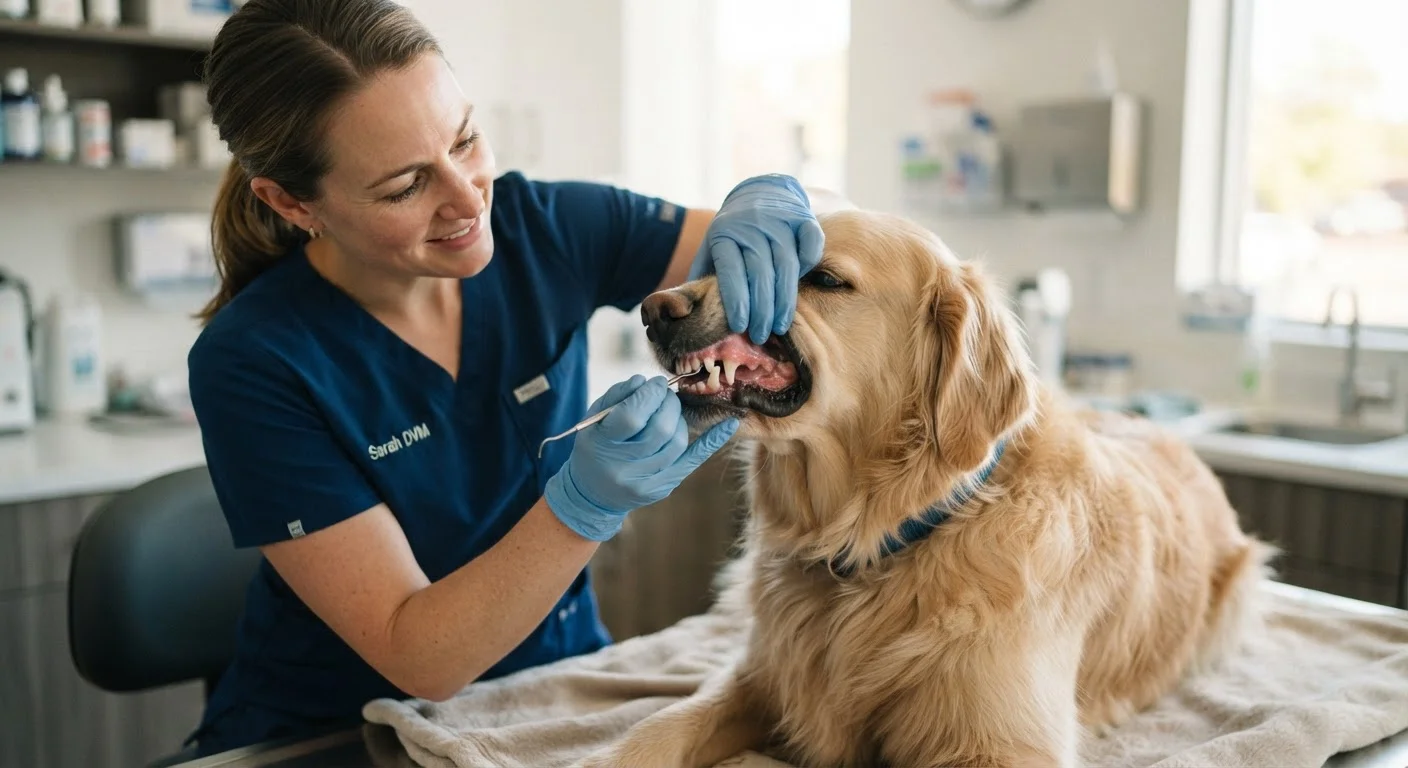
Photo: UltraSearches.com | Search Results You Can Trust editorial
Key Takeaways
- By age three, most dogs and cats already show signs of dental disease.
- Periodontal bacteria can travel through the bloodstream and affect the heart, kidneys, and liver.
- Bad breath is often the first noticeable sign owners detect at home.
- Daily toothbrushing with pet-safe toothpaste is the most effective prevention tool.
- Professional veterinary dental cleanings require anesthesia and are not equivalent to awake cosmetic scaling.
- Annual vet visits allow early detection before dental disease becomes painful or systemic.
Why Dental Disease Flies Under the Radar
Most pet owners know to watch for limping, vomiting, or changes in appetite - but oral health rarely makes the mental checklist. Part of the problem is visibility: a pet's mouth is difficult to inspect at home, and animals instinctively mask pain. By the time a dog stops eating or a cat shows obvious discomfort, dental disease is often well advanced.
There's also a cultural tendency to normalize bad pet breath. Many owners assume it's just how dogs and cats smell, when persistent foul odor is actually one of the earliest warning signs of bacterial accumulation and gum inflammation. Understanding what's happening beneath the gum line - where the real destruction occurs - changes how seriously most people take oral care.
See our guide to what owners often miss about pet dental health for a closer look at why this condition is so frequently overlooked until it reaches a critical stage.
Diet and Dental Health Are Connected
The Mouth-Body Connection: Oral Health as Systemic Health
Periodontal disease is not isolated to the mouth. When gum tissue is chronically inflamed and infected, bacteria can enter the bloodstream and reach distant organs. Veterinary research has associated untreated dental disease with changes in kidney function, liver health, and cardiac tissue - particularly the heart valves, a condition called endocarditis.
This doesn't mean every pet with tartar will develop heart disease, but it does mean dental disease belongs in the same conversation as weight management and parasite prevention - as a genuine long-term health risk, not a cosmetic concern. Speaking of which, the connection between weight and systemic illness mirrors this dynamic closely: slow-developing conditions tend to cause the most harm precisely because they're easy to ignore.
80%
Adult dogs with some form of dental disease
The American Veterinary Medical Association estimates that most dogs show signs of periodontal disease by age three.
70%
Adult cats affected by dental disease
Feline dental disease, including tooth resorption, is widely reported as among the most common diagnoses in cats over age three.
Stage 1-2
Where treatment is most effective
Gingivitis at Stages 1 and 2 is considered reversible with professional cleaning and consistent home care, according to veterinary dental guidelines.
Prevention: What Actually Works
Daily toothbrushing remains the most evidence-backed method for slowing plaque accumulation between professional cleanings. Use a toothpaste formulated for pets - human toothpaste contains ingredients that are unsafe for animals to swallow. Finger brushes or soft-bristled pet toothbrushes work well for most dogs; cats may require a gradual acclimation period starting with just gum massage.
Dental chews, water additives, and prescription dental diets can offer meaningful supplementary benefit, though none substitute for brushing. Look for products carrying the Veterinary Oral Health Council (VOHC) seal, which indicates independent testing for plaque or tartar reduction claims.
Professional cleanings performed under anesthesia allow the veterinary team to scale below the gum line, probe for pocketing, and take dental X-rays - steps that simply cannot be completed safely on a conscious animal. These cleanings are a necessary part of any complete oral health plan, not an optional upgrade.
Start Dental Care Early - and Gradually
Routine wellness exams are where dental disease is most often caught early. Our article on why annual vet visits matter even for healthy pets explains how preventive care works before symptoms appear.
This article is for general informational purposes only and does not constitute veterinary medical advice. Always consult a licensed veterinarian for guidance specific to your pet's health needs.
Frequently Asked Questions
The content on this site is for informational purposes only and is not a substitute for professional advice. Always consult a qualified professional for guidance specific to your situation.