
Feeding Schedules for Dogs: Free-Feeding, Timed Meals, and Everything Between

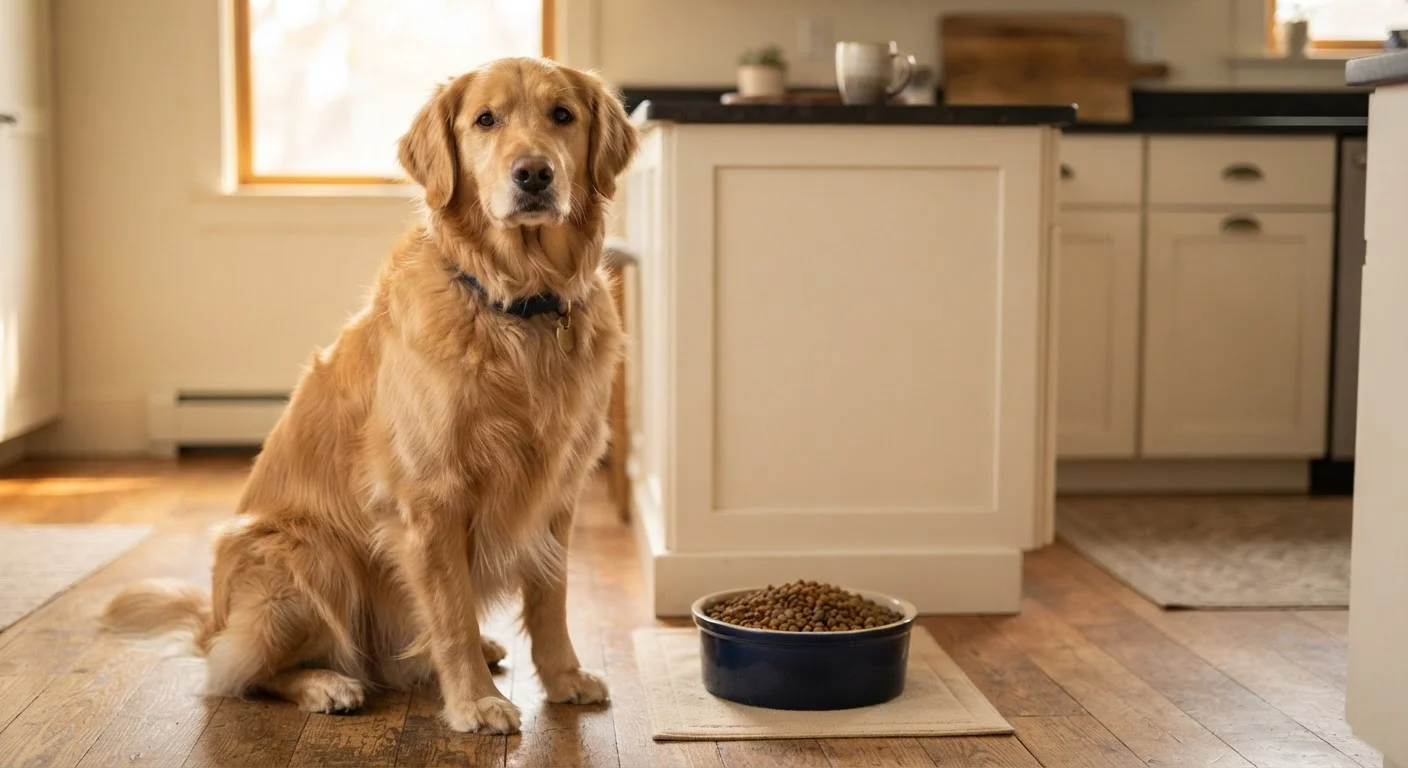
Photo: UltraSearches.com | Search Results You Can Trust editorial
Key Takeaways
- Timed meals give owners greater control over portions and help detect appetite changes early.
- Free-feeding works for some dogs but commonly contributes to overeating and weight gain.
- Most adult dogs do well with two structured meals per day, spaced roughly 8-12 hours apart.
- Puppies, seniors, and dogs with health conditions may need adjusted feeding frequency.
- Your dog's age, breed, activity level, and health status should all shape your feeding approach.
Why Your Feeding Schedule Is More Than a Convenience
Most dog owners think about what they feed far more than when or how. But feeding timing and structure play a direct role in digestion, energy regulation, weight management, and even your ability to notice early signs of illness. A dog who suddenly skips a meal is telling you something - but only if you're tracking meals in the first place.
Building a consistent routine also supports your dog's sense of security. Dogs are creatures of habit, and predictable feeding times contribute to a calmer, better-adjusted animal. If you're working on a broader daily routine, our guide to building a daily care routine for dogs covers how feeding fits alongside exercise and rest.
There are three primary feeding approaches dog owners use: free-feeding, timed meals, and combination methods. Each has genuine use cases and real drawbacks worth understanding before you commit to one.
The Three Main Feeding Approaches Compared
Understanding how each method works in practice - not just in theory - helps you choose the one that suits your household and your dog's specific needs.
| Free-Feeding | Timed Meals | Combination Method | |
|---|---|---|---|
| Portion control | Difficult to control | Easy and precise | Moderate - requires discipline |
| Appetite monitoring | Very hard to track | Easy to track daily | Partially trackable |
| Weight management | High risk of overeating | Best for weight control | Moderate risk if not measured |
| Owner effort | Very low | Low to moderate | Moderate |
| Best life stage fit | Rarely recommended | Adults and seniors | Adults with low food drive |
| Vet-recommended | Generally not favored | Widely recommended | Situationally appropriate |
Free-Feeding
Free-feeding means food is available in the bowl at all times. The dog eats whenever it wants, in whatever quantity it chooses. This approach is low-effort for owners and may appeal to dogs with naturally low food drive. However, most dogs are not good self-regulators. Free-feeding is strongly associated with overeating and is one of the leading contributors to canine obesity - a condition that carries serious health consequences including joint stress, diabetes risk, and reduced life expectancy.
Free-feeding also makes it nearly impossible to monitor how much your dog is actually eating day to day, which removes an important early-warning signal for illness.
Timed Meals
Timed meals involve measuring a specific daily portion and offering it at set times - typically twice a day for adult dogs. Meals are removed after 20-30 minutes whether or not they're finished. This is the method most veterinary nutritionists consider the gold standard for the majority of healthy adult dogs. It supports consistent digestion, simplifies portion control, and makes appetite monitoring straightforward.
Two meals a day, spaced 8-12 hours apart, suits most adult dogs well. This keeps blood sugar more stable than one large daily meal and avoids the prolonged fasting window that can increase the risk of bloat in deep-chested breeds.
Combination Methods
Some owners use a hybrid: a measured dry food portion left available for part of the day (not overnight), supplemented by one timed wet food meal. This can work, but it requires careful portion discipline to avoid double-feeding. If you're weighing dry versus wet food formats, see our comparison of wet food vs. dry food for dogs and cats for a balanced look at both.
Adjusting for Life Stage and Health Status
No single schedule fits every dog. Age and health status matter significantly.
Transitioning from Free-Feeding to Timed Meals
- Puppies (under 6 months): Small stomachs and high energy demands mean puppies typically need three to four meals per day. Skipping meals or stretching intervals too long can cause hypoglycemia, especially in small breeds.
- Adolescent dogs (6-12 months): Many transition to two meals a day. Follow your veterinarian's guidance based on breed size.
- Healthy adult dogs: Twice-daily timed meals are the standard recommendation for most breeds and sizes.
- Senior dogs: Older dogs may benefit from smaller, more frequent meals if they experience digestive sensitivity or reduced appetite. Some seniors do better on three smaller portions daily.
- Dogs with health conditions: Diabetes, pancreatitis, kidney disease, and gastric conditions all have specific dietary timing considerations. Always follow your veterinarian's individualized guidance for dogs managing chronic illness.
Portion size is equally important regardless of schedule. Overfeeding is one of the most common and preventable problems in pet care - our article on why portion size is the most overlooked part of pet feeding explains how feeding guidelines are determined and why they matter.
Common Mistakes and How to Avoid Them
Even well-intentioned owners fall into a few consistent patterns that undermine an otherwise solid feeding routine.
Watch for Signs of Food-Related Anxiety
Inconsistent timing: Varying mealtimes by more than an hour regularly can disrupt your dog's digestive rhythm and increase anxiety around food. Try to keep meals within the same 30-minute window each day.
Using the bag guidelines as gospel: Manufacturer feeding guidelines are general starting points, not personalized prescriptions. They're often calculated for moderately active dogs and may overestimate portions. Your veterinarian can help you identify the right daily caloric target for your specific dog's weight, age, and activity level.
Forgetting treats count: Treats, table scraps, and food-based enrichment toys all contribute to daily caloric intake. If your dog is gaining weight on a schedule that looks correct on paper, accounting for extras is often the missing piece.
Switching schedules abruptly: If you're moving from free-feeding to timed meals, transition gradually over one to two weeks. Sudden changes can cause stress and digestive upset.
For a broader look at nutrition assumptions that don't hold up to evidence, common pet nutrition myths vets hear all the time is worth reading alongside this guide.
This article is for general informational purposes only and is not a substitute for personalized veterinary advice. Always consult your veterinarian before making significant changes to your dog's feeding routine, especially if your pet has a health condition.
The content on this site is for informational purposes only and is not a substitute for professional advice. Always consult a qualified professional for guidance specific to your situation.