
Indoor vs. Outdoor Cats: Understanding the Lifestyle Tradeoffs

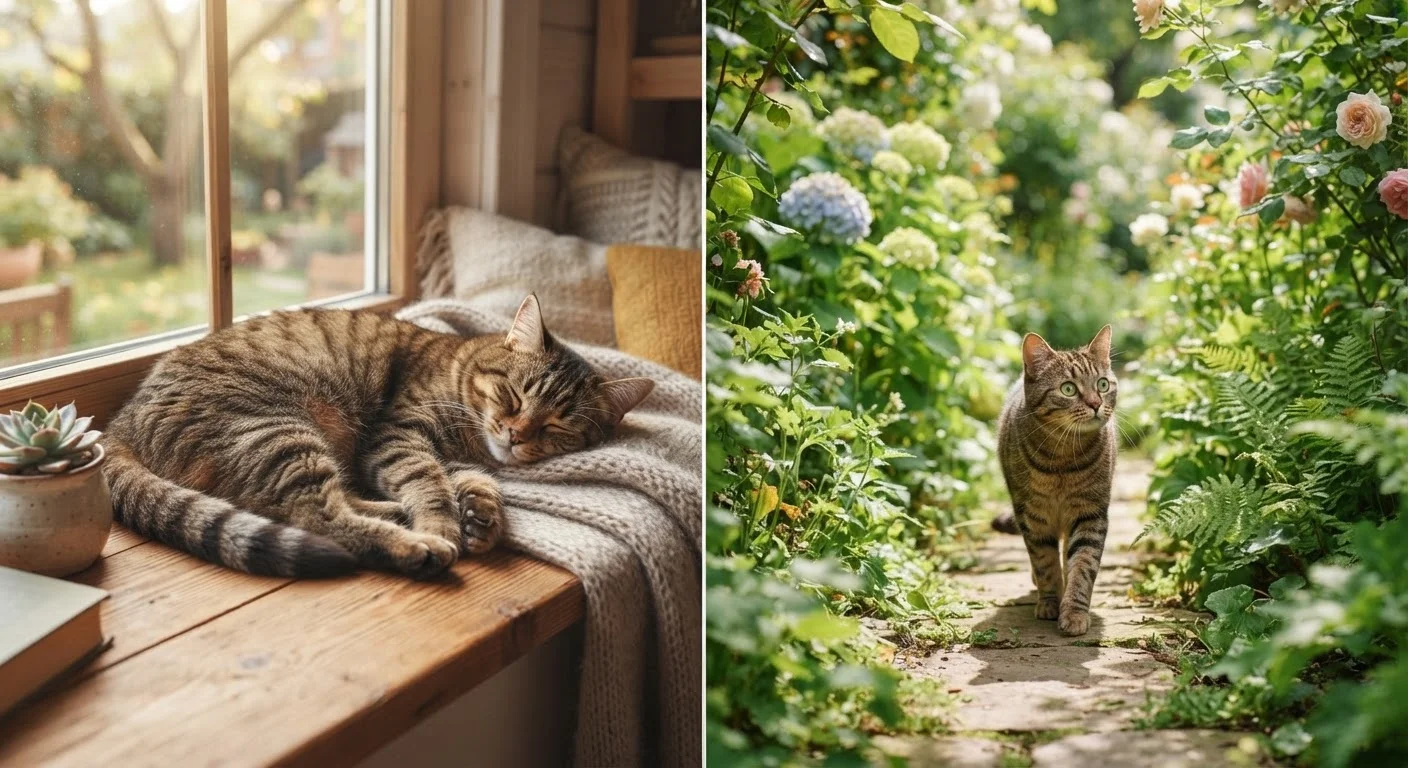
Photo: UltraSearches.com | Search Results You Can Trust editorial
Key Takeaways
- Indoor cats typically live longer due to reduced exposure to hazards, disease, and predators.
- Outdoor access provides natural enrichment but introduces meaningful health and safety risks.
- Environmental enrichment can significantly close the stimulation gap for indoor-only cats.
- Neither lifestyle is universally right - the best choice depends on your cat, home, and environment.
Significantly longer average lifespan
Indoor cats commonly live into their mid-to-late teens, while free-roaming outdoor cats often face much shorter lives due to accidents, disease, and predation. The lifespan difference is substantial and well-documented by veterinary organizations.
Reduced exposure to infectious disease
Diseases like feline leukemia virus (FeLV), feline immunodeficiency virus (FIV), and upper respiratory infections spread through contact with infected cats - contact that indoor living largely prevents.
Lower risk of traumatic injury
Vehicle collisions are a leading cause of death in outdoor cats. Removing this exposure alone has a meaningful impact on safety and reduces the likelihood of costly emergency veterinary care.
Easier parasite monitoring and prevention
While indoor cats still need flea and parasite prevention, the frequency of exposure is reduced, making management more straightforward and consistent.
No impact on local wildlife populations
Free-roaming cats are known to impact bird and small mammal populations. Keeping cats indoors eliminates this concern entirely and is recommended by many wildlife conservation groups.
Boredom and behavioral problems without enrichment
Cats are natural hunters and explorers. Without deliberate stimulation, indoor cats can develop anxiety, excessive grooming, or destructive behaviors that signal unmet behavioral needs.
Higher risk of sedentary lifestyle and obesity
Indoor cats burn fewer calories and can easily become overweight if diet and activity levels aren't actively managed. Obesity in cats is linked to diabetes, joint problems, and reduced lifespan.
Owner responsibility for all enrichment
Outdoor cats self-entertain through exploration and hunting. Indoor cats depend entirely on their owners for stimulation, which requires time, creativity, and consistent engagement.
Potential for increased stress in some individuals
Cats that have previously had outdoor access, or breeds with very high prey drive, may experience chronic frustration when confined indoors without sufficient outlets for their instincts.
Why This Decision Matters More Than You Might Think
For many cat owners, the indoor-versus-outdoor question feels straightforward - either the cat goes outside or it doesn't. In reality, the choice touches nearly every dimension of your cat's wellbeing: lifespan, disease exposure, behavioral health, and even your own peace of mind.
If you're still in the planning phase of pet ownership, our readiness checklist can help you assess your living situation before making long-term lifestyle commitments for your cat. For those already navigating apartment life with a cat, the tradeoffs covered here connect closely to the challenges of keeping pets in apartments.
Understanding both sides of this debate helps you make a decision grounded in your cat's individual needs rather than habit or assumption.
10-15 years
Typical indoor cat lifespan
Veterinary sources commonly cite indoor cats living 10-15 years on average, compared to estimates of 2-5 years for free-roaming outdoor cats.
~60%
U.S. cats kept primarily indoors
Surveys by the American Pet Products Association have consistently found that the majority of U.S. cat owners keep their cats indoors all or most of the time.
The Case for Keeping Cats Indoors
Indoor cats are shielded from some of the most common causes of feline injury and premature death. Traffic, predatory animals, toxic plants, antifreeze, and contagious diseases are all dramatically reduced risks when a cat lives exclusively inside.
Significantly longer average lifespan
Indoor cats commonly live into their mid-to-late teens, while free-roaming outdoor cats often face much shorter lives due to accidents, disease, and predation. The lifespan difference is substantial and well-documented by veterinary organizations.
Reduced exposure to infectious disease
Diseases like feline leukemia virus (FeLV), feline immunodeficiency virus (FIV), and upper respiratory infections spread through contact with infected cats - contact that indoor living largely prevents.
Lower risk of traumatic injury
Vehicle collisions are a leading cause of death in outdoor cats. Removing this exposure alone has a meaningful impact on safety and reduces the likelihood of costly emergency veterinary care.
Easier parasite monitoring and prevention
While indoor cats still need flea and parasite prevention, the frequency of exposure is reduced, making management more straightforward and consistent.
No impact on local wildlife populations
Free-roaming cats are known to impact bird and small mammal populations. Keeping cats indoors eliminates this concern entirely and is recommended by many wildlife conservation groups.
Beyond safety, indoor environments are highly controllable. You can monitor food intake, watch for behavioral changes that signal illness, and maintain parasite prevention schedules more reliably. For cats with chronic conditions, this controlled setting can be especially important. Veterinary costs for illness and injury are also generally lower for indoor cats over their lifetime - a factor worth considering alongside how you plan to handle unexpected vet expenses.
The Challenges of an Indoor-Only Life
A cat kept entirely indoors without adequate stimulation can develop behavioral problems including destructive scratching, excessive vocalization, and aggression. Boredom and inactivity are genuine welfare concerns, not minor inconveniences.
Boredom and behavioral problems without enrichment
Cats are natural hunters and explorers. Without deliberate stimulation, indoor cats can develop anxiety, excessive grooming, or destructive behaviors that signal unmet behavioral needs.
Higher risk of sedentary lifestyle and obesity
Indoor cats burn fewer calories and can easily become overweight if diet and activity levels aren't actively managed. Obesity in cats is linked to diabetes, joint problems, and reduced lifespan.
Owner responsibility for all enrichment
Outdoor cats self-entertain through exploration and hunting. Indoor cats depend entirely on their owners for stimulation, which requires time, creativity, and consistent engagement.
Potential for increased stress in some individuals
Cats that have previously had outdoor access, or breeds with very high prey drive, may experience chronic frustration when confined indoors without sufficient outlets for their instincts.
Obesity is among the most significant health risks for indoor cats, stemming from reduced activity and sometimes overfeeding. Thoughtful diet management - including the right food format - is part of supporting indoor cat health. Our overview of wet food vs. dry food tradeoffs covers some relevant considerations for cats specifically.
Transitioning an Outdoor Cat to Indoors
Bridging the Gap: Enrichment and Supervised Outdoor Time
The good news is that the stimulation gap between indoor and outdoor life is closeable with deliberate effort. Vertical spaces like cat trees, puzzle feeders, window perches, and regular interactive play sessions can meaningfully address a cat's need for novelty and activity.
Supervised outdoor time - whether through a secure catio enclosure, a leash and harness, or a fenced yard - offers a middle path that many veterinarians and animal behaviorists consider an excellent compromise. It allows cats to experience fresh air and natural stimuli without the uncontrolled risks of free roaming. This approach does require owner consistency and some upfront investment in setup, but it can substantially improve quality of life for cats that show strong outdoor interest.
For broader guidance on cat health and wellness resources, the Pet Health hub covers a range of topics relevant to daily care decisions.
The content on this site is for informational purposes only and is not a substitute for professional advice. Always consult a qualified professional for guidance specific to your situation.