
Pet Insurance vs. a Dedicated Savings Fund: Understanding the Trade-Offs

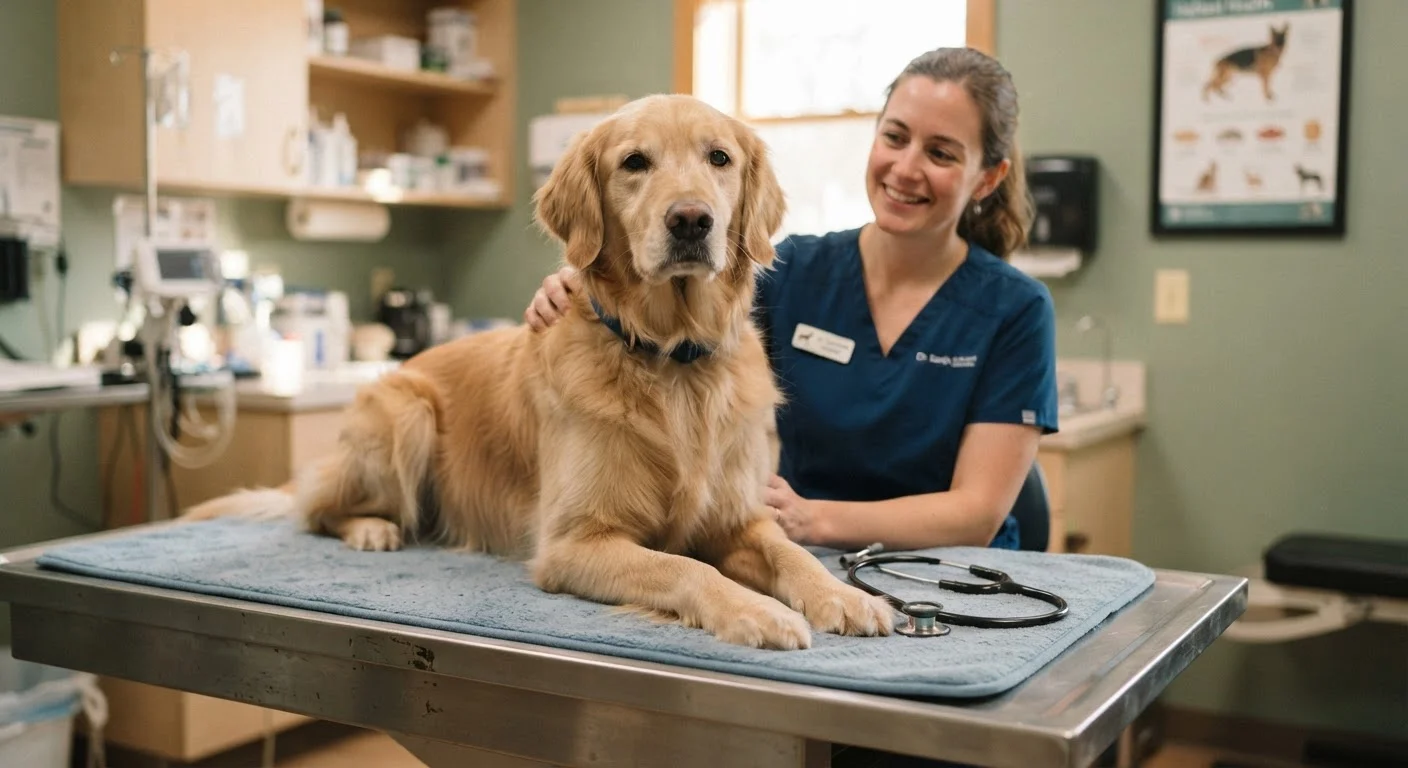
Photo: UltraSearches.com | Search Results You Can Trust editorial
Key Takeaways
- Pet insurance protects against large, unexpected veterinary bills but involves monthly premiums and coverage limitations.
- A dedicated savings fund gives you full control over funds but may not be adequate when a costly emergency strikes early.
- Your pet's breed, age, and health history are key factors in deciding which approach makes more sense.
- Many owners find a hybrid strategy - insurance plus modest savings - offers the most practical balance.
- Neither approach guarantees coverage of every cost; reading policy terms carefully is essential.
Caps exposure on large, unexpected vet bills
A single emergency - a swallowed foreign object, a broken leg, or a cancer diagnosis - can cost thousands of dollars. Insurance with a solid reimbursement rate significantly reduces that out-of-pocket burden.
Protection begins before savings have accumulated
Unlike a savings fund that needs time to grow, an insurance policy provides coverage from the policy start date (after any waiting periods), which is especially useful for new pet owners.
Predictable monthly cost makes budgeting easier
Knowing your premium in advance allows you to plan monthly expenses without worrying about the unpredictable timing of veterinary emergencies.
Encourages more proactive veterinary care
Some owners with insurance are less likely to delay or avoid care due to cost concerns, which can lead to earlier diagnosis and better outcomes.
Pre-existing conditions are commonly excluded
Most pet insurance policies will not cover conditions that were present or documented before the policy start date, limiting value for pets with known health histories.
Premiums increase significantly as pets age
Insuring an older pet can become expensive, and the rising cost may outpace the benefit - especially if the pet develops conditions that are then excluded from coverage.
Reimbursement model requires upfront payment
Most policies require you to pay the veterinarian first and then submit a claim for reimbursement, which can be challenging if the bill is large and cash flow is tight.
Coverage limits and exclusions can surprise owners
Annual caps, per-incident deductibles, and fine-print exclusions mean that not all costs are covered - and owners who don't read policy documents carefully may face unexpected gaps.
How Each Approach Works
Pet insurance functions similarly to other forms of insurance: you pay a monthly or annual premium, and the insurer reimburses a portion of covered veterinary expenses - typically after you meet a deductible. Most plans reimburse 70-90% of eligible costs, though the exact terms vary widely by provider and policy type.
A dedicated pet savings fund, by contrast, is a sum of money you set aside specifically for veterinary costs. You deposit money regularly into a separate account and draw from it as needed. There are no premiums, no claim forms, and no exclusions - but there's also no external financial backstop if costs exceed what you've saved.
Understanding the structural difference between these two approaches is the starting point for any meaningful comparison. For a broader look at how insurance-based models compare to out-of-pocket exposure in other contexts, see the tradeoffs of high-deductible health plans.
Pros and Cons of Pet Insurance
Pet insurance's most significant appeal is its ability to cap your financial exposure. If your dog needs emergency surgery costing several thousand dollars, a policy with solid coverage can reduce that bill substantially. This protection is especially valuable early in a pet's life, before you've had time to accumulate significant savings.
Caps exposure on large, unexpected vet bills
A single emergency - a swallowed foreign object, a broken leg, or a cancer diagnosis - can cost thousands of dollars. Insurance with a solid reimbursement rate significantly reduces that out-of-pocket burden.
Protection begins before savings have accumulated
Unlike a savings fund that needs time to grow, an insurance policy provides coverage from the policy start date (after any waiting periods), which is especially useful for new pet owners.
Predictable monthly cost makes budgeting easier
Knowing your premium in advance allows you to plan monthly expenses without worrying about the unpredictable timing of veterinary emergencies.
Encourages more proactive veterinary care
Some owners with insurance are less likely to delay or avoid care due to cost concerns, which can lead to earlier diagnosis and better outcomes.
The downsides are real, though. Pre-existing conditions are routinely excluded from coverage, meaning pets with known health issues may receive limited benefit. Premiums also rise as pets age - sometimes steeply - and breed-specific conditions may affect eligibility or cost. Additionally, most policies operate on a reimbursement model, meaning you pay the vet upfront and wait for repayment.
Pre-existing conditions are commonly excluded
Most pet insurance policies will not cover conditions that were present or documented before the policy start date, limiting value for pets with known health histories.
Premiums increase significantly as pets age
Insuring an older pet can become expensive, and the rising cost may outpace the benefit - especially if the pet develops conditions that are then excluded from coverage.
Reimbursement model requires upfront payment
Most policies require you to pay the veterinarian first and then submit a claim for reimbursement, which can be challenging if the bill is large and cash flow is tight.
Coverage limits and exclusions can surprise owners
Annual caps, per-incident deductibles, and fine-print exclusions mean that not all costs are covered - and owners who don't read policy documents carefully may face unexpected gaps.
It's worth noting that policy language varies considerably. Annual limits, per-incident limits, and what counts as a covered condition differ from plan to plan. Reading the exclusions section carefully before enrolling is critical. This is similar to the careful comparison recommended in discussions of liability vs. full coverage auto insurance.
The Case for a Dedicated Savings Fund
A self-funded approach gives you complete control. There are no claim denials, no waiting periods, no exclusions for hereditary conditions, and no premiums eating into your monthly budget. If your pet stays healthy, every dollar saved remains yours.
A Note on Hybrid Strategies
Building a pet savings fund is an extension of broader emergency savings principles. If you're working on savings habits generally, the principles for saving on a tight budget and guidance on emergency fund sizing offer complementary frameworks.
$1,500-$5,000+
Typical cost range for common pet emergencies
According to veterinary cost surveys, treatments for conditions like intestinal obstruction, fractures, or serious infections routinely fall in this range, underscoring the financial stakes of pet ownership.
~$50-$100/month
Average pet insurance premium for dogs
Industry data suggests monthly premiums for dog insurance policies vary widely based on breed, age, location, and coverage level, with cats generally costing less to insure.
The limitation is timing. A savings fund only protects you to the level it has grown. A newly adopted puppy who needs a $4,000 orthopedic procedure six months in won't benefit from a fund that's had time to accumulate only a fraction of that. The savings approach works best when it's had time to grow - and when your pet's risk of costly illness or injury is relatively low.
Factors That Should Shape Your Decision
Several variables make one approach more practical than the other for a given owner:
- Pet's breed and age: Certain breeds carry elevated risk of specific hereditary conditions. Younger pets are often insurable at lower premiums before problems emerge.
- Your financial cushion: If you already have robust savings, self-funding may be viable. If a large unexpected bill would create serious financial strain, insurance provides a structured safety net.
- Risk tolerance: Insurance is a hedge. Like all hedges, it may cost more than you use - or it may pay off substantially. Your comfort with that uncertainty matters.
- Your pet's existing health: A pet with documented health issues may face significant coverage exclusions, reducing the practical value of a policy.
Many owners land on a hybrid model: maintaining a modest dedicated pet fund while carrying a basic insurance policy for catastrophic events. This mirrors how many financial planners think about layered risk management more broadly, as explored in the Saving & Credit hub.
This article is for general informational purposes only and does not constitute financial, insurance, or veterinary advice. Coverage terms, policy eligibility, and costs vary by provider and individual circumstances. Consult a licensed insurance professional and your veterinarian when making decisions about your pet's care and coverage.
The content on this site is for informational purposes only and is not a substitute for professional advice. Always consult a qualified professional for guidance specific to your situation.