
Signs Your Pet May Be Stressed - and What Typically Triggers It

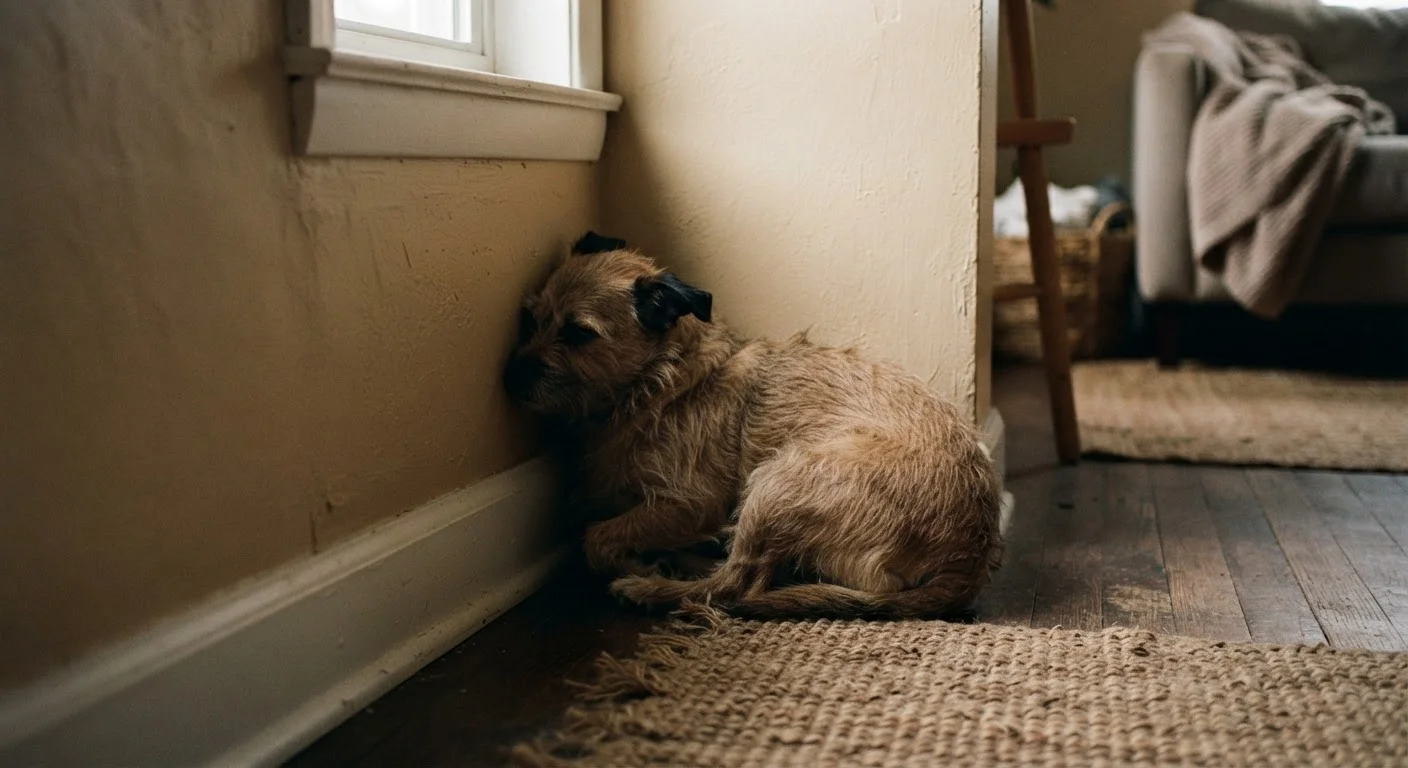
Photo: UltraSearches.com | Search Results You Can Trust editorial
How Pets Signal Stress - and Why It's Easy to Miss
Pets rarely signal distress the way humans do. Instead of expressing anxiety directly, dogs and cats communicate through behavioral and physical shifts that can be easy to dismiss as quirks or moodiness. Understanding what to look for is one of the most practical skills a pet owner can develop - and it fits naturally into everyday pet health awareness.
Stress responses in animals evolved as survival mechanisms. A dog that freezes or hides when overwhelmed is following instinct, not acting out. The challenge for owners is learning to read these cues before they escalate into chronic anxiety or health problems. See also: how pets signal pain, which often overlaps with stress in subtle ways.
| Species covered | Dogs and cats (primary focus) |
| Most commonly missed stress sign | Lip-licking and yawning in dogs; hiding in cats (Veterinary behavior literature) |
| Top environmental trigger | Changes in household routine or composition |
| When to see a vet | Stress signs persist more than a few days or include appetite loss |
| Noise sensitivity peak | Fireworks and thunderstorms rank among the most reported triggers (American Veterinary Medical Association) |
Common Behavioral Signs of Stress in Dogs and Cats
The following signs appear across both species, though they may look slightly different depending on the animal's personality and history.
In Dogs
- Yawning, lip-licking, or nose-licking outside of normal contexts (e.g., not after eating or waking)
- Whale eye - showing the whites of the eyes while looking sideways
- Excessive panting when not hot or physically exerted
- Tail tucked low or held rigidly between the legs
- Destructive behavior such as chewing furniture or scratching doors when left alone
- Sudden housetraining regressions in an otherwise reliable pet
In Cats
- Over-grooming to the point of creating bald patches
- Hiding more than usual or refusing to come out for meals
- Dilated pupils in normal lighting
- Spraying or inappropriate elimination outside the litter box
- Increased vocalization - yowling or crying, especially at night
- Loss of appetite or sudden disinterest in play
Displacement behavior
A seemingly out-of-context action - like yawning or grooming - that an animal performs when caught between conflicting motivations. In stress contexts, it signals internal conflict or mild anxiety.
Whale eye
A stress indicator in dogs where the whites of the eyes (sclera) become visible as the dog looks sideways without moving its head. It typically signals discomfort or unease with a situation.
Over-grooming
Excessive licking, biting, or chewing of fur or skin beyond normal self-cleaning. In cats especially, this can be a response to chronic stress and may result in hair loss or skin irritation.
Anticipatory anxiety
A stress response triggered by the expectation of a feared event, not just the event itself. A dog may begin panting or pacing before a thunderstorm arrives, often reacting to barometric pressure changes.
Cortisol
A hormone released by the adrenal glands in response to stress. Chronically elevated cortisol in pets is associated with immune suppression, digestive issues, and behavioral changes.
What Commonly Triggers Pet Stress
Identifying a trigger is the most effective first step toward reducing a pet's anxiety. Some causes are obvious; many are not.
~70%
Of dogs show some form of anxiety-related behavior
A large Finnish study published in Scientific Reports found that approximately 72% of dogs exhibited at least one problematic anxiety-related trait.
1 in 3
Cats show stress-related inappropriate elimination
Feline inappropriate elimination - often linked to environmental stress - is one of the most frequently cited reasons cats are surrendered to shelters, according to shelter and behaviorist reports.
Environmental Changes
Moving to a new home, rearranging furniture, or introducing a new pet or person can all destabilize a pet's sense of safety. Pets rely heavily on routine and familiar scent environments. Even renovations or new cleaning products can cause noticeable distress. Pet owners in smaller living spaces may find this especially relevant - apartment-specific pet challenges can amplify environmental stress triggers significantly.
Separation and Social Stress
Dogs are social animals and can experience significant distress when left alone for extended periods. Cats, though more independent, may still develop attachment-related anxiety. Schedule changes - like a return to office work - are among the most common triggers veterinarians observe.
Noise and Sensory Overload
Thunderstorms, fireworks, construction, and even certain household appliances can push a pet into a stress response. Cats are particularly sensitive to high-frequency sounds that humans may not notice. Dogs often display anticipatory anxiety - showing signs of stress before the noise even begins.
Medical Discomfort
Undiagnosed pain or illness can look exactly like behavioral stress. If stress signs appear suddenly with no clear environmental trigger, a veterinary exam is the right first step. Oral pain is a commonly overlooked cause - dental disease in pets is far more prevalent than most owners realize and can affect mood and behavior.
When Everyday Stress Becomes a Bigger Issue
Occasional stress is a normal part of any animal's life. Persistent or severe stress - especially when it interferes with eating, sleeping, or normal social behavior - is a different matter. If signs continue despite removing obvious triggers, or if they intensify over time, this warrants a conversation with a veterinarian or a certified animal behaviorist.
Anxiety that goes beyond everyday nerves has recognized diagnostic criteria and evidence-based treatment options, including behavioral modification and, in some cases, veterinary-prescribed medication. The goal is not to eliminate all stress - that isn't realistic or even biologically appropriate - but to ensure your pet's baseline state is one of safety and comfort.
Stress and Pain Can Look the Same
This article is for general informational purposes only and is not a substitute for professional veterinary advice. If you are concerned about your pet's health or behavior, consult a licensed veterinarian.
The content on this site is for informational purposes only and is not a substitute for professional advice. Always consult a qualified professional for guidance specific to your situation.