
When Good Intentions Go Wrong: Ownership Habits That Hurt Pets

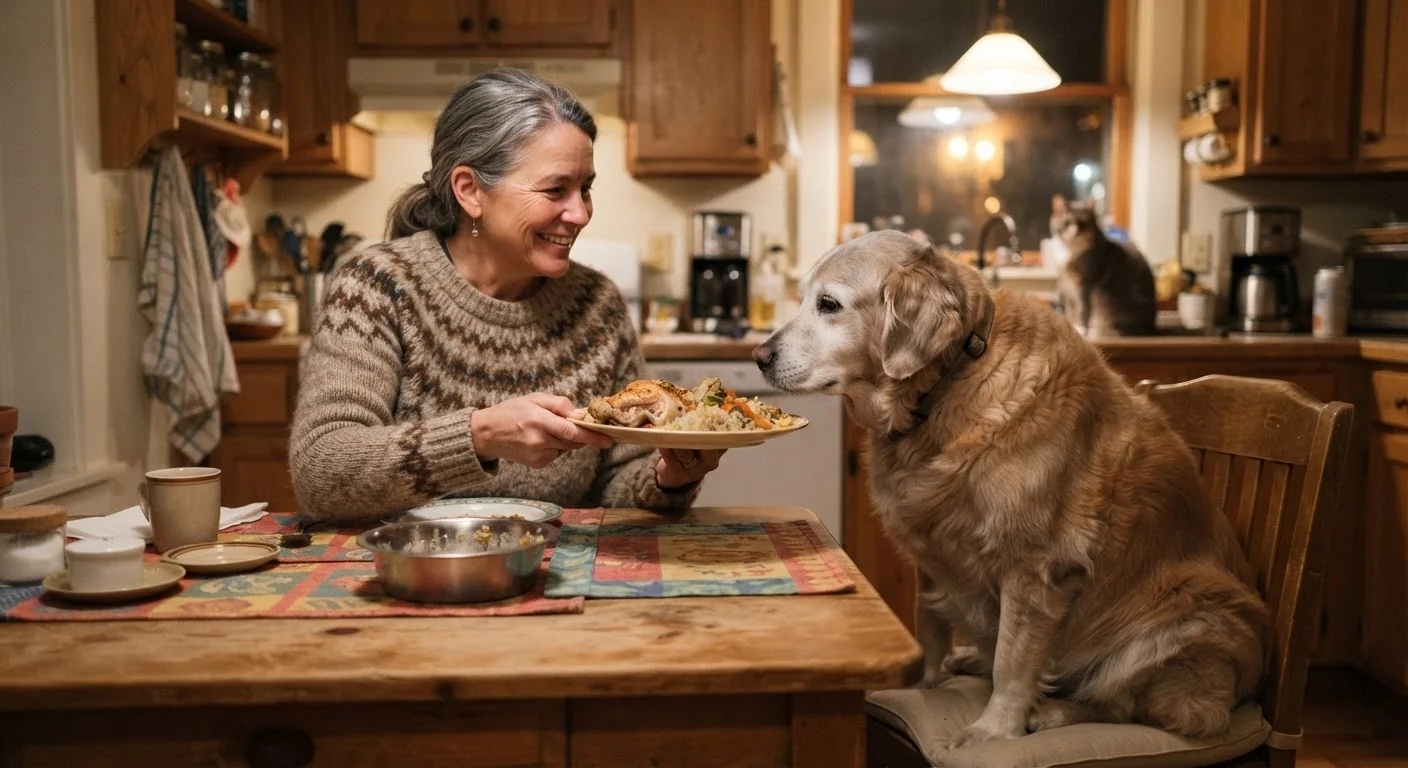
Photo: UltraSearches.com | Search Results You Can Trust editorial
Key Takeaways
- Overfeeding is one of the most widespread welfare problems in household pets today.
- Skipping routine vet visits means preventable conditions often go undetected until advanced.
- Anthropomorphizing - treating pets as small humans - can lead to inappropriate diets and unmet behavioral needs.
- Inconsistent training driven by guilt often produces anxiety and confusion in dogs and cats.
- Good intentions don't protect pets; informed, species-appropriate care does.
Why Good Pet Owners Still Make Harmful Mistakes
Most people who harm their pets never intend to. They love their animals deeply and make daily decisions they believe are kind, generous, and appropriate. The problem isn't motivation - it's information. Many of the habits that quietly compromise pet health are rooted in human instincts that simply don't translate to other species.
Understanding why these mistakes happen is as important as knowing what they are. When owners recognize the emotional reasoning behind a behavior, they're far better positioned to replace it with something that actually serves the animal. The goal isn't guilt - it's clarity.
This article is for general educational purposes only and is not a substitute for professional veterinary advice. Always consult a licensed veterinarian about your specific pet's health and care needs.
For a broader look at what responsible ownership involves at every stage of a pet's life, see our complete guide to responsible pet ownership.
~56%
U.S. dogs and cats estimated to be overweight or obese
According to the Association for Pet Obesity Prevention, more than half of American dogs and cats are classified as overweight or obese by their veterinarians.
80%
Dogs showing signs of dental disease by age 3
Veterinary dental health organizations report that the majority of dogs exhibit signs of periodontal disease by their third year of life, often without obvious symptoms.
Common Mistakes - and How to Correct Them
The following errors come up repeatedly in veterinary practice and animal welfare discussions. Each one stems from genuine care but produces outcomes that work against the pet's wellbeing.
Overfeeding or free-feeding pets without regard to appropriate portion sizes.
Skipping or postponing routine veterinary wellness visits when the pet seems fine.
Anthropomorphizing pets by projecting human emotions, preferences, and social needs onto them.
Using inconsistent discipline or abandoning training out of guilt or sympathy.
Neglecting dental hygiene because it seems optional or cosmetic.
Allowing unsupervised or uncontrolled interactions with other animals and people.
Human Foods Can Be Toxic to Pets
For a deeper look at the habits that create hidden health risks, our article on hidden dangers of well-meaning pet care habits offers additional context on why these patterns are so persistent.
Rethinking What Care Actually Looks Like
Responsible ownership isn't about doing more - it's about doing the right things for the right reasons, based on what your specific animal needs. That often means letting go of the instinct to project human preferences and instead learning how your pet actually experiences the world.
Love Is Not a Substitute for Veterinary Care
Ownership also carries responsibilities that extend beyond the home. How you manage your pet's behavior, socialization, and containment affects neighbors, other animals, and - in some cases - your legal standing. Our article on what responsible pet ownership actually means outlines the full scope of those duties in practical terms.
Pet ownership raises harder questions too. If you're thinking through the ethics of your choices - from diet to end-of-life decisions - ethical questions every pet owner should sit with explores them honestly and without easy answers.
This article is intended for general informational purposes only and does not constitute veterinary or medical advice. Consult a licensed veterinarian for guidance specific to your pet's health and needs.
The content on this site is for informational purposes only and is not a substitute for professional advice. Always consult a qualified professional for guidance specific to your situation.