
What It Actually Means to Be a Responsible Pet Owner

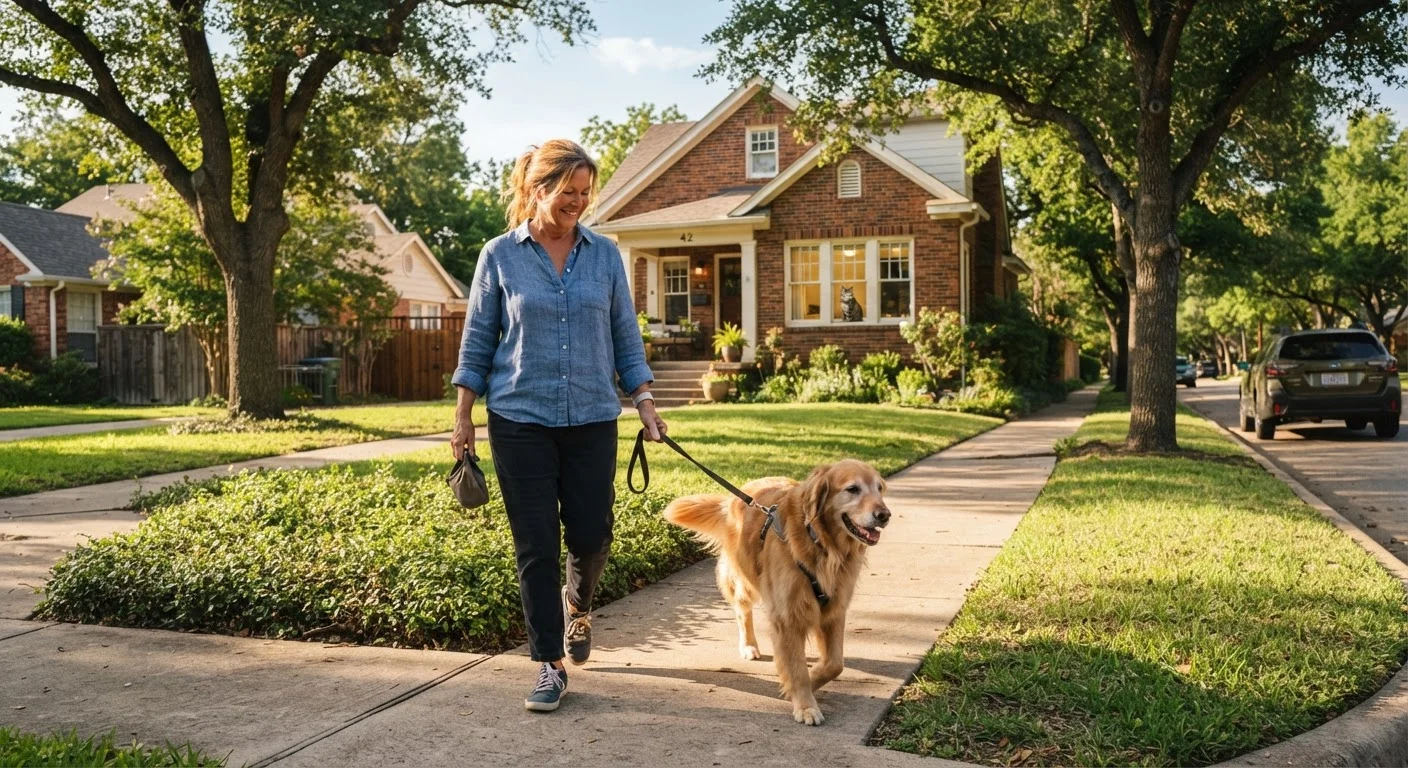
Photo: UltraSearches.com | Search Results You Can Trust editorial
Key Takeaways
- Responsible ownership includes veterinary care, training, socialization, and legal compliance - not just food and shelter.
- Pet owners bear legal responsibility in most U.S. states if their animal injures a person or another pet.
- Socialization and consistent training directly reduce behavioral problems and public safety risks.
- Meeting a pet's needs across its entire lifetime - including senior care - is part of the commitment.
- Responsible ownership has a community dimension: noise, waste, and containment affect neighbors and public spaces.
More Than Love: The Full Scope of the Commitment
Most people bring a pet home with genuine affection and good intentions. But responsible pet ownership is a structured commitment, not just an emotional one. It asks you to provide for your animal's physical health, behavioral wellbeing, social needs, and safety - consistently, across the animal's entire life.
Think of it across four interconnected areas:
- Physical care: Nutrition suited to your pet's species, age, and health status; regular veterinary checkups; parasite prevention; dental care; appropriate exercise.
- Behavioral and mental care: Training, environmental enrichment, and socialization that allow your pet to live calmly and confidently.
- Safety and containment: Secure housing, leash use, identification tags, and microchipping to protect your pet and others.
- Legal and community duties: Licensing, vaccination compliance, leash laws, waste cleanup, and noise management.
For a fuller picture of how these duties evolve over time, see responsible ownership across your pet's lifetime.
~70%
U.S. households that own a pet
According to the American Pet Products Association's National Pet Owners Survey, approximately 70% of U.S. households include at least one pet.
80%+
Dogs affected by dental disease by age 3
The American Veterinary Medical Association notes that most dogs show signs of periodontal disease by the time they are three years old.
~6.3M
Animals entering U.S. shelters annually
The ASPCA estimates approximately 6.3 million companion animals enter U.S. animal shelters each year, underscoring the scale of preventable ownership failures.
Veterinary Care Is Non-Negotiable
Routine veterinary care is a cornerstone of responsible ownership - not a luxury or an optional expense. Wellness exams allow a veterinarian to catch developing health problems before they become serious, verify that vaccinations are current, and advise on nutrition, weight, and parasite control appropriate for your specific animal.
Many pet owners underestimate the importance of dental disease, which affects a significant proportion of dogs and cats by middle age and can cause chronic pain and systemic health complications. Regular dental checkups and appropriate home care are part of a complete health plan.
Schedule Wellness Visits Before Problems Appear
For general health guidance organized by species and life stage, the Pet Health hub is a useful starting point.
Training and Socialization Are Ownership Duties - Not Extras
A dog that is not trained is a dog that is harder to keep safe - for itself, for visitors, and for strangers on the street. Training establishes clear communication between you and your animal, reduces anxiety-driven behavior, and makes daily interactions predictable and manageable.
Socialization - exposing a young animal in a positive, controlled way to different people, environments, sounds, and other animals - builds behavioral resilience. Animals that lack early socialization are more likely to develop fear-based reactivity as adults, which creates real public safety concerns.
Owners of large or powerful breeds carry a heightened version of this responsibility. See the responsibilities that come with owning a large or powerful dog breed for a practical breakdown.
Legal Duties and Community Impact
Owning a pet carries legal obligations that many owners don't fully explore until a problem arises. In most U.S. states, owners are legally responsible if their animal injures a person or another pet - in some states, strict liability applies regardless of whether the owner knew the animal was dangerous. Learn how pet liability generally works before an incident occurs, not after.
Beyond liability, community responsibilities include:
- Following local leash and fence laws
- Cleaning up waste in public spaces
- Managing noise (prolonged barking affects neighbors and may violate local ordinances)
- Keeping vaccinations current, especially rabies, as required by most jurisdictions
Responsible ownership also means being honest about your household's capacity. Welcoming more animals than you can properly care for - financially or logistically - harms both the animals and the community around you.
Good Intentions Don't Always Equal Good Outcomes
Ownership also raises deeper questions worth sitting with. See ethical questions every pet owner should consider for an honest exploration of those harder topics.
Frequently Asked Questions
The content on this site is for informational purposes only and is not a substitute for professional advice. Always consult a qualified professional for guidance specific to your situation.