A Plain-Language Glossary of Common Beauty Terms

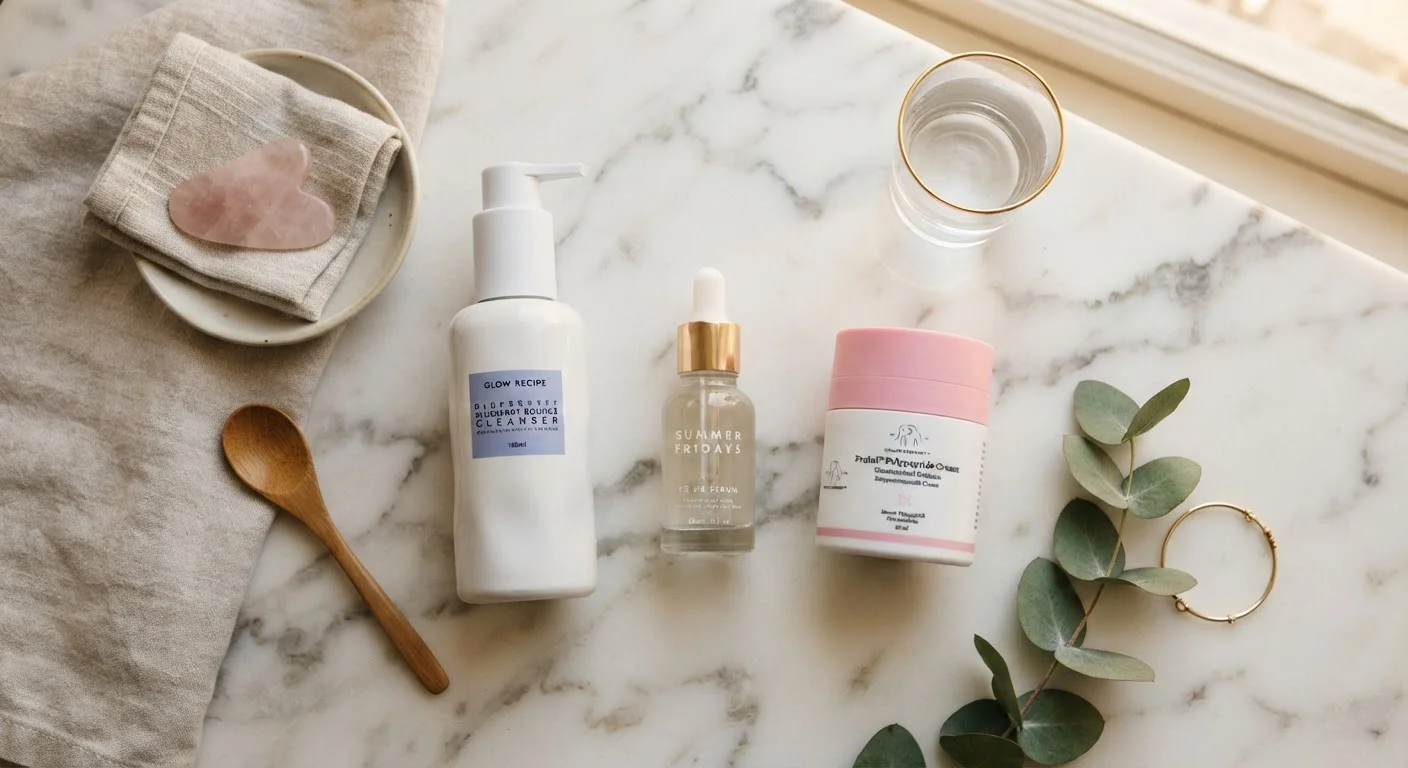
Photo: UltraSearches.com | Search Results You Can Trust editorial
Why Beauty Vocabulary Matters
Ever stood in a drugstore aisle, product in hand, staring at a label full of words that might as well be in another language? You're not alone. Beauty and skincare labels are loaded with technical terms that brands rarely stop to explain. This glossary changes that.
Whether you're building a skincare routine from scratch or just trying to figure out if a product is right for your skin type, knowing what these terms mean helps you shop smarter and use products more effectively. You might also want to check out our guide on reading a skincare ingredient label - it's a great companion to the definitions below.
Emollient
An ingredient that softens and smooths the skin by filling in gaps between skin cells. Emollients give products a creamy, luxurious feel and help maintain a healthy skin texture. Common examples include plant oils, shea butter, and fatty alcohols.
Humectant
A substance that draws moisture from the environment - or from deeper skin layers - into the outer layer of skin. Humectants like glycerin, hyaluronic acid, and aloe vera help keep skin feeling hydrated and plump.
Occlusives
Ingredients that form a physical barrier on the skin's surface to prevent water from evaporating. Petrolatum, beeswax, and dimethicone are common occlusives. They're especially useful for dry or compromised skin.
Hypoallergenic
A label claim indicating that a product is formulated to reduce the likelihood of an allergic reaction. It's important to note this is a marketing term with no standardized regulatory definition in the U.S., so reactions can still occur depending on individual sensitivities.
Non-comedogenic
Describes products formulated to avoid clogging pores. This term is commonly seen on moisturizers and foundations aimed at people with acne-prone or oily skin. Like "hypoallergenic," it's not a regulated claim, and individual skin responses can vary.
pH Balance
pH measures how acidic or alkaline a substance is on a scale of 0-14. Healthy skin typically has a slightly acidic pH (around 4.5-5.5). Products with a mismatched pH can disrupt the skin's natural barrier, leading to dryness or irritation.
Exfoliant
An ingredient or product that helps remove dead skin cells from the surface. Chemical exfoliants (like AHAs and BHAs) dissolve the bonds holding dead cells together; physical exfoliants (like scrubs) remove them through gentle abrasion.
AHA / BHA
Alpha hydroxy acids (AHAs) are water-soluble exfoliants - glycolic and lactic acid are common examples - that work on the skin's surface. Beta hydroxy acids (BHAs), primarily salicylic acid, are oil-soluble and can penetrate into pores, making them popular for acne-prone skin.
Antioxidant
A compound that helps neutralize free radicals - unstable molecules caused by sun exposure, pollution, and other environmental stressors that can damage skin cells. Vitamin C, vitamin E, and niacinamide are well-known antioxidants used in skincare.
Fragrance-Free vs. Unscented
Fragrance-free means no fragrance ingredients were added. Unscented means masking agents may have been used to eliminate a product's natural smell, which can still trigger sensitivities. Fragrance-free is generally the safer choice for sensitive skin.
Active Ingredient
In regulated products like sunscreens or acne treatments, active ingredients are those recognized as having a specific, proven therapeutic effect. They are listed separately on the label and must meet concentration requirements set by the FDA.
INCI Name
The International Nomenclature of Cosmetic Ingredients (INCI) system standardizes ingredient names on labels worldwide. That's why you'll see "aqua" instead of "water" or scientific Latin names for plant extracts - it ensures consistency regardless of where a product is sold.
Key Terms at a Glance
Beyond the glossary, a few quick-reference facts can help you get your bearings when you're evaluating any beauty or skincare product.
| Ingredients listed by | Concentration (highest to lowest) per FDA labeling rules (U.S. Food & Drug Administration) |
| "Fragrance" on a label can represent | Dozens of individual chemical compounds (Environmental Working Group, general guidance) |
| Sunscreen active ingredients | Regulated as over-the-counter drugs in the U.S. (U.S. Food & Drug Administration) |
| "Natural" on a label | Not a regulated term in U.S. cosmetics (FDA cosmetic labeling guidance) |
| Typical healthy skin pH range | 4.5 - 5.5 (slightly acidic) (Dermatology literature, general consensus) |
| INCI system used in | U.S., EU, and most global markets for cosmetic labeling (Personal Care Products Council) |
Understanding the difference between marketing language and functional ingredient categories is one of the most practical skills a beauty consumer can develop. For a deeper look at how label claims like "natural" and "clean" hold up under scrutiny, see our article on natural and synthetic beauty ingredients.
These terms show up across product categories - from face care to nail care - so building your vocabulary now pays off across your entire routine. And if you enjoy decoding specialized language in other areas of life, the same approach works for everything from financial terminology to health insurance jargon.
This article is for general informational purposes only and does not constitute medical or dermatological advice. If you have a skin condition or concern, please consult a qualified healthcare professional.
The content on this site is for informational purposes only and is not a substitute for professional advice. Always consult a qualified professional for guidance specific to your situation.