
Nail Care From Cuticle to Tip: A Practical Reference

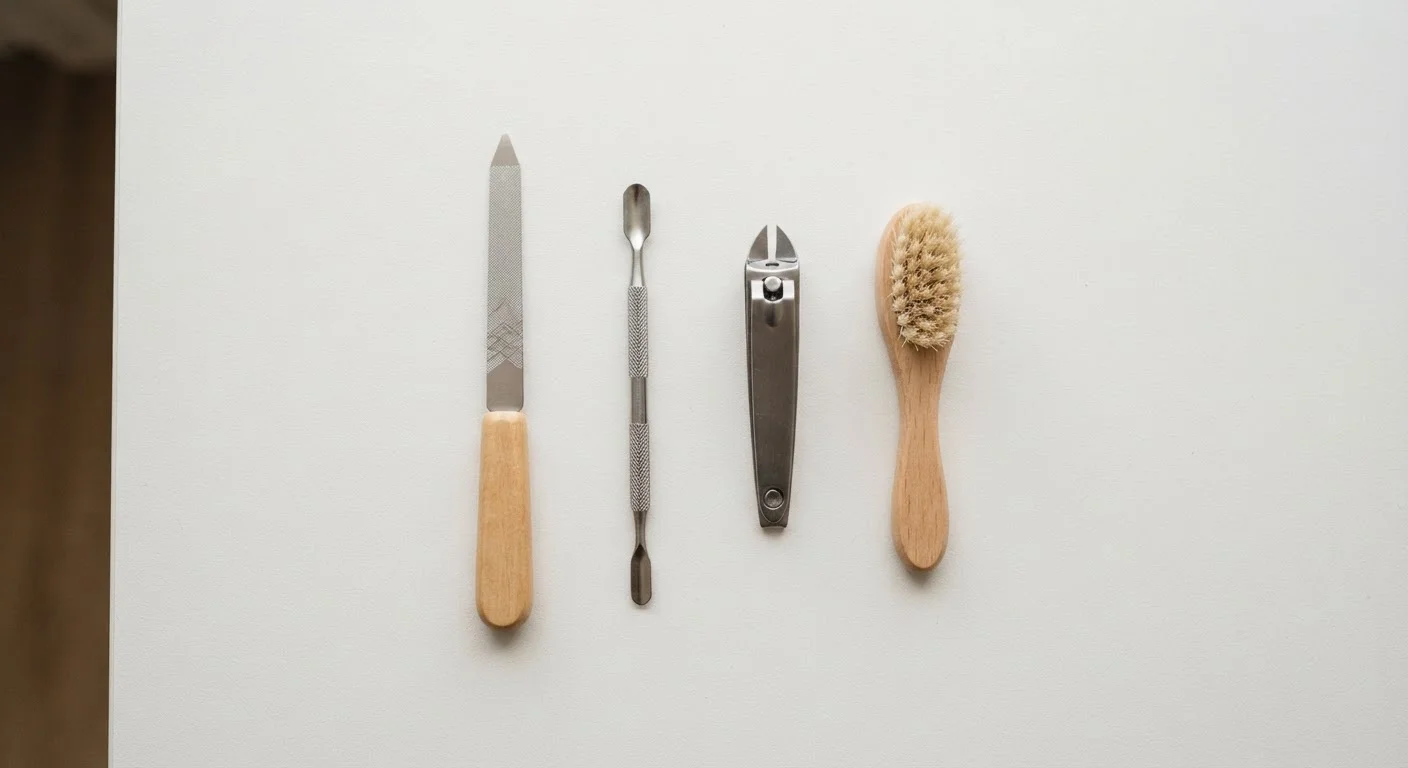
Photo: UltraSearches.com | Search Results You Can Trust editorial
Nail Anatomy at a Glance
Understanding your nail's basic structure makes the rest of your care routine click into place. Each nail has several distinct parts, and knowing their roles helps you groom with confidence rather than guessing.
Nail plate
The hard, visible part of the nail made primarily of a protein called keratin. It grows from the nail matrix and sits on top of the nail bed.
Nail matrix
The tissue beneath the base of the nail plate where new nail cells are generated. Damage to this area can affect how the nail grows.
Cuticle
The thin layer of skin that seals the edge where the nail plate meets the skin. It acts as a protective barrier against bacteria and moisture loss.
Lunula
The pale, crescent-shaped area at the base of the nail plate. It is the visible portion of the nail matrix.
Hyponychium
The skin beneath the free edge of the nail plate. It forms a seal that protects the nail bed from debris and pathogens.
Free edge
The part of the nail plate that extends beyond the fingertip and can be trimmed or filed.
The nail plate is what you see and trim. It grows outward from the nail matrix - the factory hidden under your skin at the nail's base. The lunula, that soft crescent at the bottom of your nail, is the only visible hint of the matrix beneath. Protecting the matrix matters: it's where growth originates, and repeated trauma (like aggressive pushing of the skin back over it) can distort how new nails form.
For a deeper look at how grooming habits fit into a broader self-care picture, see The Building Blocks of a Daily Grooming Routine.
Trimming and Filing: Technique Matters
Proper trimming reduces the risk of snags, ingrown nails, and breakage. A few consistent habits make a real difference.
| Average fingernail growth rate | Approximately 3-4 mm per month (American Academy of Dermatology) |
| Toenail growth rate | About half the speed of fingernails (American Academy of Dermatology) |
| Recommended trimming frequency (fingernails) | Every 1-2 weeks |
| Recommended trimming frequency (toenails) | Every 6-8 weeks |
| Best time to trim nails | After bathing, when nails are softened |
| Nail composition | Primarily keratin protein |
- Trim after bathing. Softened nails cut more cleanly and are less likely to crack or split.
- Cut straight across, then round slightly at the corners. This shape is standard for fingernails and helps prevent ingrowns on toenails when kept straight.
- Don't cut too short. Leaving a small free edge protects the hyponychium - the skin seal beneath the tip.
- File in one direction. Back-and-forth sawing weakens the nail edge. A light, single-direction stroke smooths without fraying.
- Use the right tool. Stainless steel clippers stay sharp longer and can be sanitized. Replace files regularly, especially emery boards, which wear out quickly.
Toenails deserve specific attention: keep them trimmed straight across to reduce pressure from footwear and lower the chance of painful ingrown edges.
Cuticle Care: Protect, Don't Remove
The cuticle is a protective barrier - not a cosmetic flaw. Cutting it away entirely removes the seal that keeps bacteria and moisture from reaching the nail matrix. Dermatologists generally advise against cutting cuticles; instead, soften and gently push them back.
- Soak fingers briefly in warm water or apply a cuticle-softening product.
- Use a rubber-tipped cuticle pusher or a wooden stick to gently nudge the softened skin back toward the base of the nail.
- Apply a small amount of moisturizer or cuticle oil to the area and massage it in. Keeping cuticles hydrated reduces hangnails and tearing.
If a hangnail forms, trim only the loose flap with clean clippers - do not pull or tear it, which can create an open wound prone to infection.
When to See a Dermatologist
For beauty vocabulary related to the moisturizing ingredients you might find in cuticle products, our plain-language beauty glossary is a handy reference.
Common Nail Concerns: What to Look For
Nails can reflect changes in overall health. While many variations are harmless, some patterns are worth noting and discussing with a professional.
- Brittle or peeling nails
- Often related to frequent water exposure, harsh chemicals (including some nail products), or low humidity. Wearing gloves during cleaning and moisturizing regularly can help.
- White spots
- Usually caused by minor trauma to the nail - a bump or pressure - rather than a nutritional gap. They grow out with the nail and are generally harmless.
- Yellowing
- Can result from extended use of dark nail polish without a base coat, but persistent yellowing unrelated to product use warrants a professional look.
- Ridges
- Vertical ridges are common and tend to become more noticeable with age. Horizontal ridges (Beau's lines) can sometimes indicate a disruption in nail growth and are worth mentioning to a healthcare provider.
- Pitting or separation from the nail bed
- These changes may be associated with certain skin or systemic conditions. A dermatologist is the right person to evaluate them.
As grooming needs evolve over the years, nail care needs can shift with age too - worth keeping in mind as a long-term reference.
This article is for general informational purposes only and is not medical advice. If you have concerns about changes in your nails or overall nail health, please consult a qualified healthcare professional.
The content on this site is for informational purposes only and is not a substitute for professional advice. Always consult a qualified professional for guidance specific to your situation.