
Reading a Skincare Ingredient Label Without a Chemistry Degree

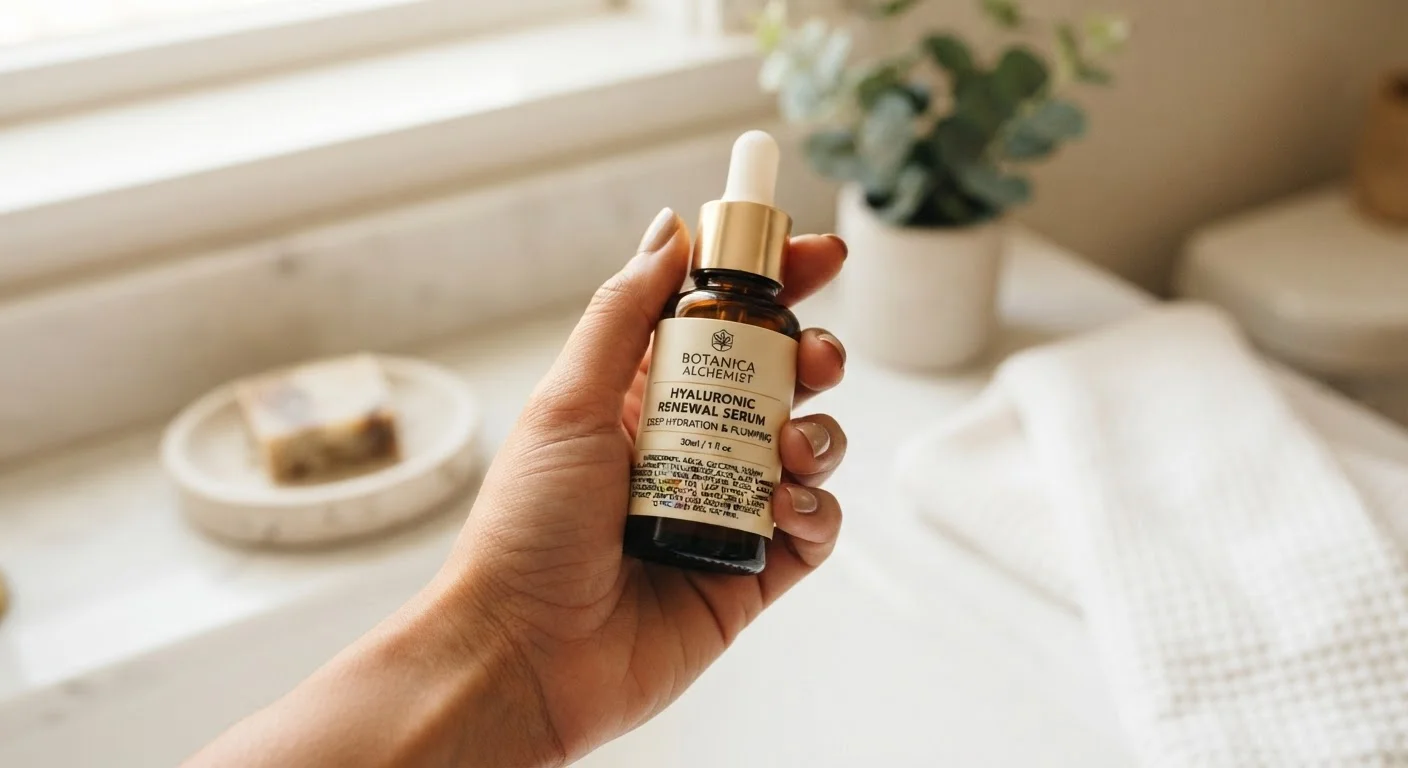
Photo: UltraSearches.com | Search Results You Can Trust editorial
Key Takeaways
- Ingredients are listed in descending order by concentration - what's first matters most.
- INCI names (scientific ingredient names) are standardized internationally, so Latin-sounding terms are normal.
- Active ingredients perform a specific function; inactive ingredients support texture, stability, and preservation.
- Fragrance and certain preservatives are among the most common triggers for skin sensitivity.
- A longer ingredient list isn't inherently better or worse - context and concentration matter.
Why Ingredient Labels Matter
Flip over any moisturizer, serum, or cleanser and you'll find a dense block of text that looks like it belongs in a chemistry textbook. Totally understandable if your eyes glaze over. But those ingredient lists are actually one of the most useful tools you have when choosing skincare - and once you know a few basics, you won't need a lab coat to make sense of them.
Understanding what's in your products helps you avoid ingredients your skin reacts to, recognize when a formula is likely to deliver what it promises, and cut through marketing language that can be misleading. Just like learning to read a nutrition label transforms how you shop for food, knowing your skincare label changes the way you shop for your routine.
INCI
The International Nomenclature of Cosmetic Ingredients - a standardized system of scientific names used on cosmetic labels worldwide so ingredients can be identified consistently across brands and countries.
Humectant
An ingredient that attracts water molecules and pulls moisture into the skin. Glycerin and hyaluronic acid are common examples.
Emollient
An ingredient that softens and smooths skin by filling in gaps between skin cells. Plant oils and certain butters are classic emollients.
Active Ingredient
An ingredient that is regulated to perform a specific drug-like function - such as SPF sun protection or acne treatment - and must be listed separately on the label with its concentration.
Occlusive
An ingredient that forms a physical barrier on the skin's surface to slow water loss and lock in moisture. Petrolatum and dimethicone are well-known examples.
Preservative
An ingredient added to prevent bacterial, mold, or yeast growth inside a product, extending its shelf life and keeping it safe to use.
How the List Is Structured
In the U.S., the FDA requires cosmetic manufacturers to list ingredients in descending order of concentration - meaning whatever appears first is present in the greatest amount. This rule applies to all ingredients present at more than 1% concentration. Below that threshold, manufacturers can list ingredients in any order they choose.
The scientific names you see follow the INCI system (International Nomenclature of Cosmetic Ingredients), a globally standardized naming convention. That's why you might see Butyrospermum Parkii instead of shea butter, or Aloe Barbadensis Leaf Juice instead of aloe vera. The good news: once you recognize a few of these, they become familiar fast.
Look also for a separate "Active Ingredients" panel if the product makes a drug claim - think SPF sunscreens or acne treatments. Actives are regulated differently and must be listed separately with their percentage concentration.
Try the "First Five" Habit
Ingredients Worth Knowing
You don't need to memorize every compound. Focus on a handful of functional categories that appear across most formulas:
- Humectants draw moisture into the skin. Glycerin and hyaluronic acid are classic examples you'll see near the top of hydrating products.
- Emollients soften and smooth the skin's surface. Look for plant oils, shea butter, or ingredients ending in "-ate" like isopropyl palmitate.
- Occlusives create a barrier that locks in moisture. Petrolatum, dimethicone, and beeswax are common occlusives.
- Exfoliants like AHAs (such as glycolic acid or lactic acid) and BHAs (like salicylic acid) help shed dead skin cells.
- Preservatives keep the formula stable and safe from microbial growth. Phenoxyethanol and sodium benzoate are widely used examples.
For a fuller vocabulary guide, our plain-language beauty glossary is a great companion resource.
Red Flags and Sensitivities
No single ingredient is universally problematic - skin is individual and reactions vary. That said, a few ingredient categories are worth paying attention to if you have sensitive or reactive skin:
- Fragrance / Parfum: A catch-all term that may represent dozens of undisclosed compounds. One of the most frequent triggers for contact dermatitis and sensitivity reactions.
- Essential oils: Naturally derived but not inherently gentle - many are phototoxic or irritating at certain concentrations.
- Alcohol (denat. or SD alcohol): Can be drying and irritating for some skin types when listed prominently. Fatty alcohols like cetyl or stearyl alcohol, however, are emollients - don't confuse them.
- Certain preservatives: Methylisothiazolinone (MI) and methylchloroisothiazolinone (MCI) have higher sensitization rates than many alternatives.
Don't Confuse Alcohol Types
If you're navigating fragrance choices beyond your skincare routine, our guide to how fragrance is structured can help you understand those ingredient layers too.
Putting It All Together
Start with a simple habit: when you pick up a new product, glance at the first five ingredients. That's where the majority of the formula lives. Then scan toward the end for anything you know your skin doesn't agree with.
Don't be alarmed by long lists - complexity isn't a flaw. And don't assume a short, "clean"-looking list automatically means the product will work better. What matters most is whether the right ingredients are present at meaningful concentrations for your skin's specific needs.
Patch testing a new product on a small area of skin before applying it to your face is always a sensible step, regardless of how clean or minimal the label looks. And if you have a skin condition or persistent concern, a dermatologist can offer guidance tailored specifically to you.
This article is for general informational and educational purposes only. It is not a substitute for professional dermatological or medical advice. If you have concerns about your skin health, please consult a qualified healthcare provider.
Frequently Asked Questions
The content on this site is for informational purposes only and is not a substitute for professional advice. Always consult a qualified professional for guidance specific to your situation.