
Why Your Skincare Products Stop Seeming to Work - and What's Actually Happening

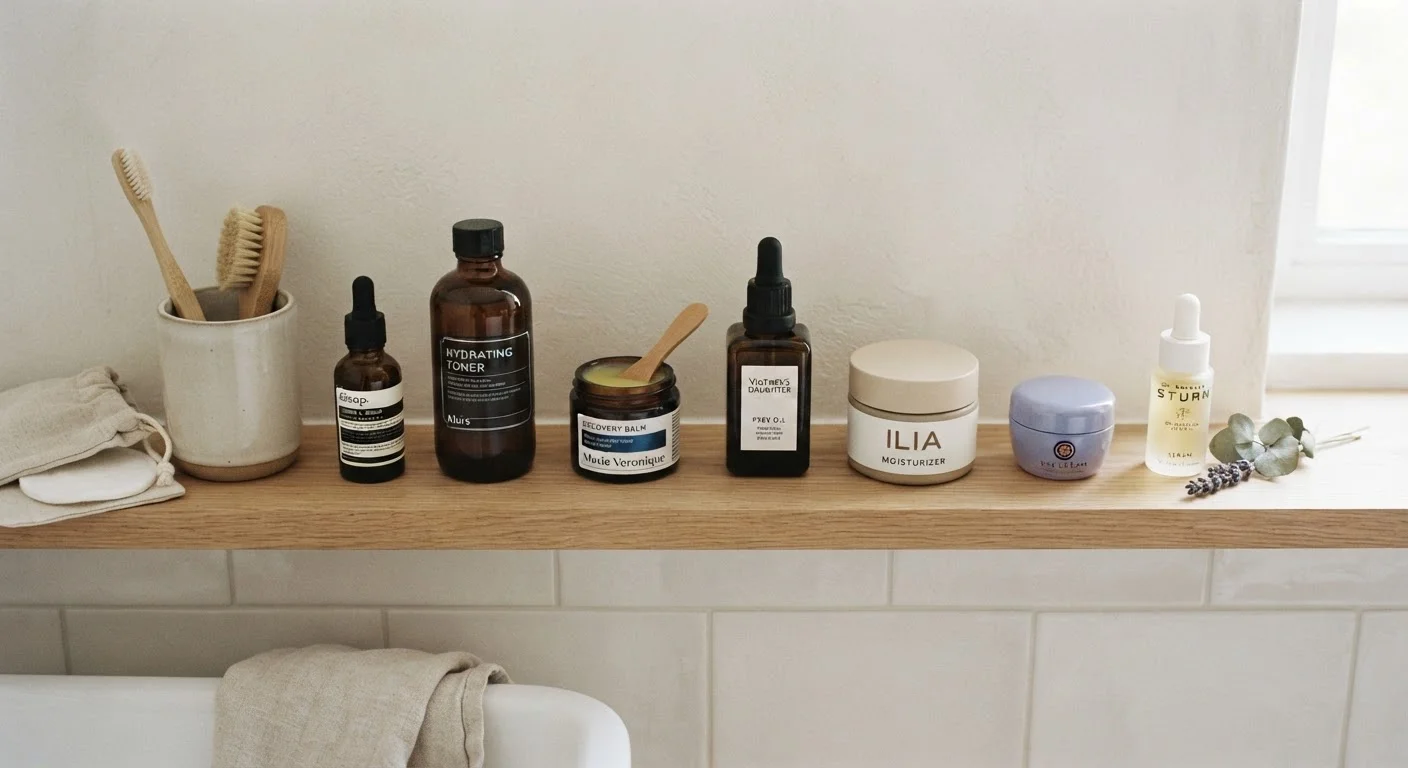
Photo: UltraSearches.com | Search Results You Can Trust editorial
Key Takeaways
- Skin rarely becomes truly 'immune' to products - the more likely explanation is a change in your skin's needs.
- Over-exfoliating or layering too many actives can compromise your skin barrier and reduce results.
- Seasonal humidity shifts change how your skin behaves, often requiring routine adjustments.
- Giving a new product at least 6-8 weeks is generally recommended before judging its effectiveness.
The 'It Stopped Working' Feeling Is Real - But Misunderstood
You found a moisturizer that made your skin glow. A serum that finally calmed redness. Then, a few months later, nothing. Your skin looks the same as it did before you started. So what gives?
Here's the reassuring truth: your skin almost certainly hasn't developed a resistance to your products the way bacteria develop antibiotic resistance. That concept doesn't apply here. What's far more likely is that something shifted - in your skin, your environment, your routine, or your expectations - and the product simply isn't meeting the new moment. Understanding those shifts is the key to getting your routine back on track.
Before troubleshooting, it helps to check in with the fundamentals. Our everyday skincare routine guide walks through the building blocks if you want a baseline to work from.
How to Actually Respond When Your Routine Plateaus
Diagnosing a skincare plateau is less about switching products and more about asking the right questions. Has the season changed? Have you added anything new? Are you using the product as directed, or improvising the amount and frequency?
6-8 weeks
Minimum time to assess a new skincare product
Dermatologists generally recommend giving a new product at least 6-8 weeks before drawing conclusions, as the skin cell turnover cycle takes roughly 4-6 weeks.
~28 days
Average skin cell turnover cycle in young adults
This cycle slows with age, meaning visible changes from skincare may take longer to appear in older adults, according to general dermatological reference.
A good first step is simplifying before adding. Strip your routine back to cleanser, moisturizer, and SPF for two weeks. If your skin settles, reintroduce one product at a time, leaving a few weeks between additions. This process - sometimes called an elimination approach - helps you identify what's genuinely helping versus what's just taking up shelf space.
Also pay close attention to how products interact. The order you apply your skincare products affects absorption in meaningful ways, and a small sequencing error can quietly undermine even a solid formula.
Finally, remember that some ingredients - like retinoids and vitamin C - work gradually over months, not weeks. If you're expecting visible results in two to three weeks, you may be abandoning products that are actually doing exactly what they should. Patience, paired with a realistic timeline, is genuinely part of the strategy.
This article is for general informational and educational purposes only and does not constitute medical or dermatological advice. If you have persistent skin concerns, consult a qualified dermatologist or healthcare professional.
The content on this site is for informational purposes only and is not a substitute for professional advice. Always consult a qualified professional for guidance specific to your situation.