
Moisturizer vs. Serum: Choosing the Right Layer for Your Skin

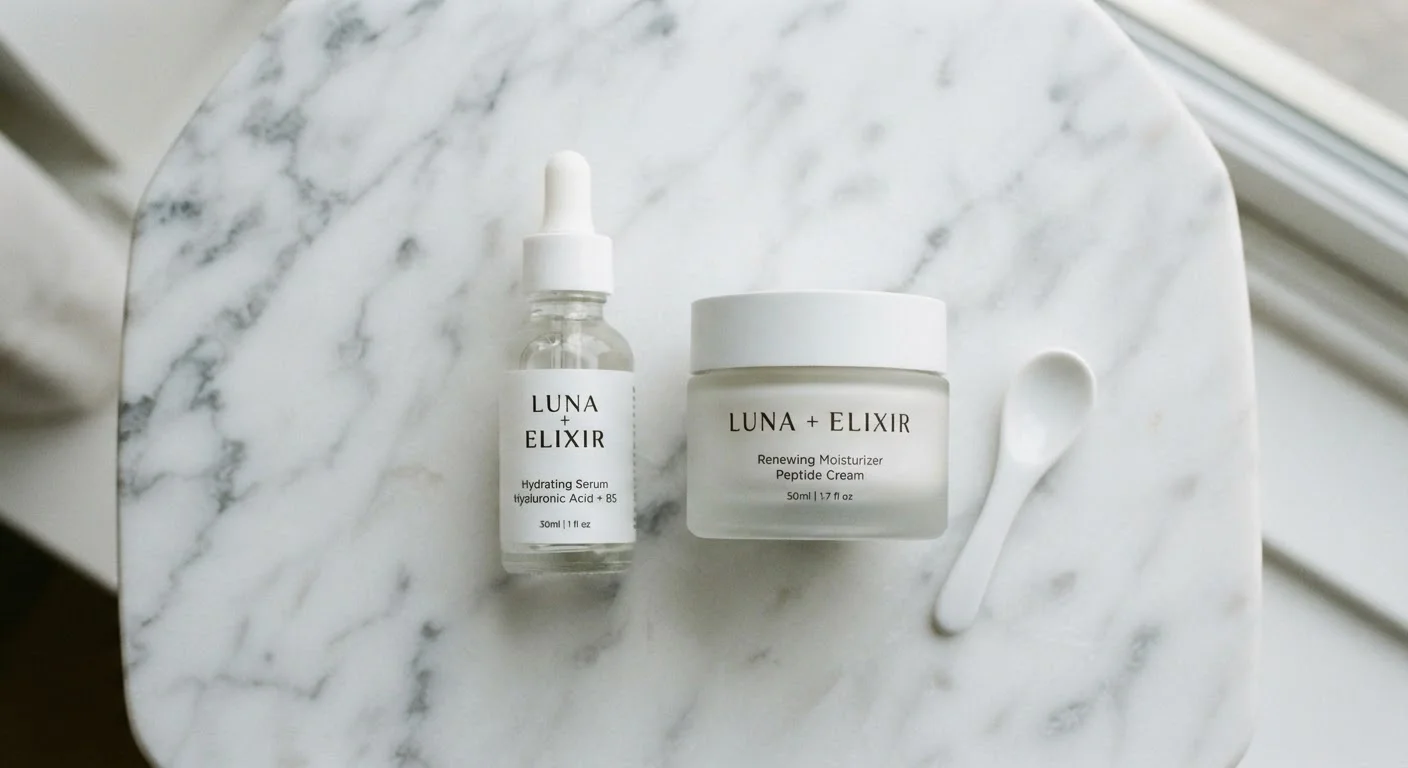
Photo: UltraSearches.com | Search Results You Can Trust editorial
Key Takeaways
- Serums are lightweight, concentrated formulas designed to target specific skin concerns like dullness or uneven tone.
- Moisturizers focus on sealing hydration and protecting the skin's outer barrier - a different job entirely.
- Apply serum first, then moisturizer - thinner textures go on before thicker ones for best absorption.
- You can use both in the same routine; they complement rather than compete with each other.
- Skin type matters when choosing formulas - oily skin may prefer lightweight gels, while dry skin benefits from richer creams.
What Each Product Is Actually Doing
A serum is a lightweight, fast-absorbing formula with a high concentration of active ingredients. Because serums have a smaller molecular size, they're able to penetrate the outer layers of skin more effectively - delivering ingredients like hyaluronic acid (a humectant that draws moisture into skin), vitamin C (an antioxidant), or niacinamide (which helps even skin tone) where they can do the most work.
A moisturizer does something different. Its main job is to act as a barrier - sealing moisture into the skin and slowing what's called transepidermal water loss (TEWL), which is simply the natural evaporation of water from your skin's surface. Moisturizers typically contain a mix of humectants, emollients (which soften skin), and occlusives (which form a protective layer).
Think of it this way: a serum delivers; a moisturizer protects what was delivered. That's why both products can have a genuine place in the same routine without duplicating each other's work.
| Criterion | Serum | Moisturizer |
|---|---|---|
| Primary purpose | Deliver active ingredients to skin | Seal moisture, protect skin barrier |
| Texture | Lightweight, watery or gel-like | Thicker - lotion, cream, or gel |
| Molecular size | Smaller - penetrates deeper layers | Larger - works at surface level |
| Application order | First, after cleansing/toner | Second, after serum |
| Can you skip it? | Optional - depends on your goals | Generally considered essential |
| Key ingredient types | Vitamin C, niacinamide, hyaluronic acid | Emollients, occlusives, humectants |
| Best for | Targeting specific skin concerns | Everyday hydration and protection |
Does Order Actually Matter?
Yes - and it's straightforward once you understand the logic. As a general rule, you apply skincare products from thinnest to thickest texture. Serums are typically water-based and lightweight, so they go on first, directly after cleansing (and toner, if you use one). Moisturizer follows to seal everything in.
If you apply moisturizer first, its occlusive ingredients can actually form a barrier that blocks the serum from absorbing properly - defeating the purpose. For a full breakdown of how to sequence your entire routine, see our guide to layering skincare products in the right order.
Oil-Based Serums Are the Exception
This order is the same whether you're doing a morning or evening routine, though your specific product choices may vary. Sunscreen always comes last in the morning, after moisturizer.
Choosing What Works for Your Skin Type
Neither product is one-size-fits-all. Here's a quick orientation by skin type:
- Oily or acne-prone skin: Look for gel-based or oil-free moisturizers labeled non-comedogenic (meaning they're formulated not to clog pores). Lightweight, water-based serums with niacinamide or salicylic acid are commonly recommended for this skin type.
- Dry or dehydrated skin: Richer cream moisturizers and serums featuring hyaluronic acid or ceramides (lipid molecules that support the skin barrier) tend to work well here.
- Sensitive skin: Simpler formulas with fewer ingredients reduce the risk of irritation. Starting with just a fragrance-free moisturizer before adding any serum is a reasonable approach.
- Combination skin: A lightweight moisturizer used all over, possibly with a hydrating serum on drier areas, is a common strategy.
For a complete picture of how moisturizing fits into a full skincare routine - from cleanser through SPF - our everyday skincare routine guide walks through each step. And if skincare is also part of your broader grooming practice, skincare and grooming overlap is worth a read.
64%
Of adults report regular moisturizer use
According to survey data cited by the American Academy of Dermatology, moisturizing is among the most commonly practiced daily skincare habits in the U.S.
2-5 min
Ideal wait time between serum and moisturizer
Skin experts commonly recommend allowing a serum to absorb briefly before applying the next layer, though exact timing can vary by formula.
The content on this site is for informational purposes only and is not a substitute for professional advice. Always consult a qualified professional for guidance specific to your situation.