
Your First Makeup Kit: What You Actually Need to Start

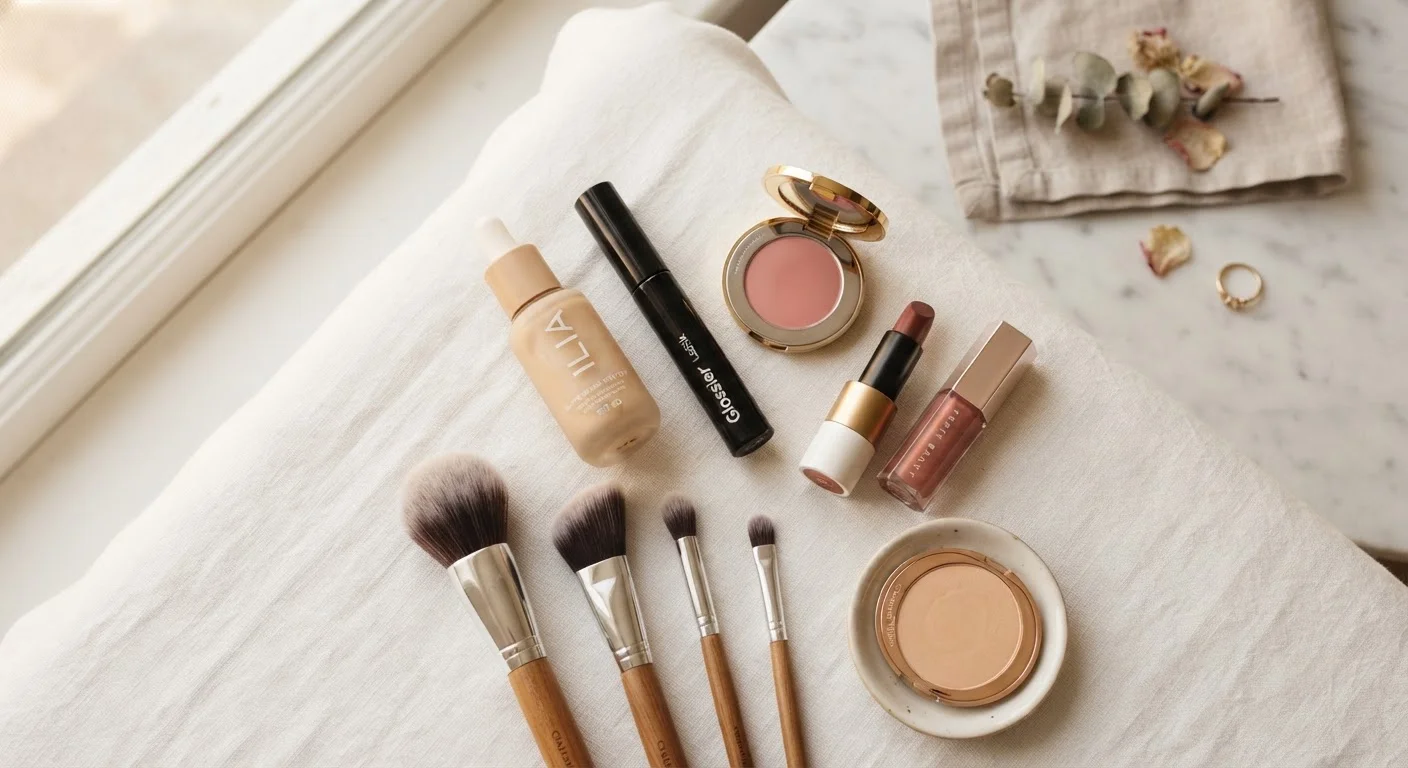
Photo: UltraSearches.com | Search Results You Can Trust editorial
Key Takeaways
- A beginner kit needs only five or six products to cover most everyday looks.
- Skincare prep makes every makeup product perform better and last longer.
- Multipurpose products - like a cream blush that doubles as a lip color - stretch your dollar and your kit.
- Tools matter: even one quality brush makes application noticeably easier.
- Building gradually lets you learn what you actually use before spending more.
Why Less Is More When You're Starting Out
Walking into a beauty aisle for the first time can feel like stepping into a foreign country. There are hundreds of products, each promising to change your life - and zero road map for where to begin. The good news: you don't need most of it, especially at the start.
A focused beginner kit - one built around products that earn their place - teaches you far more than a haul ever will. When you work with fewer items, you learn how each one performs on your skin, how products interact, and what you genuinely enjoy using. That knowledge is what makes you better at makeup over time.
Before any makeup goes on, your skin is the foundation. A consistent skincare routine - even a simple cleanser, moisturizer, and SPF - creates the smooth, hydrated surface that helps every product blend and wear beautifully. If you're still putting your skincare basics together, the everyday skincare routine guide is a great place to start.
Let Your Skin Be the Starting Point
The Core Products That Do the Heavy Lifting
These are the five categories that cover the most ground for a first kit. You don't need one from every category on day one - pick what matches what you actually want to do.
Coverage
How much a base product (like foundation) evens out or conceals the skin. Light coverage lets your natural skin show through; full coverage gives a more uniform, polished finish.
Buildable formula
A product you can layer to increase its effect - one coat gives a sheer result, two or three coats give more coverage or color intensity.
Setting
Applying a powder or setting spray over finished makeup to help it last longer, reduce shine, and prevent smudging throughout the day.
Tubing mascara
A mascara formula that wraps individual lashes in a tiny polymer tube rather than coating them with pigmented wax - easier to remove cleanly and less likely to smudge.
Color matching
Finding a foundation or concealer shade that closely matches your natural skin tone so the product blends seamlessly rather than looking like a mask.
Skin-Evening Base
A tinted moisturizer, BB cream, or light-coverage foundation evens out skin tone without looking heavy. Look for formulas described as buildable, meaning you can apply a little for a natural finish or layer up for more coverage. Shade matching matters here - if in-person swatching is an option, take it.
Concealer
A concealer in a shade one or two ticks lighter than your base can address under-eye shadows and any spots you want to minimize. Creamy formulas blend easily with a fingertip, which makes them beginner-friendly.
A Cream Blush or Multi-Use Color
Powder blushes require more blending skill than cream or gel versions. A cream blush applied to the apples of the cheeks with a fingertip or sponge adds warmth instantly. Many cream blushes also work on lips and eyelids - a genuine multitasker.
Mascara
Mascara opens up the eyes with minimal effort and zero blending required. A lengthening formula is a classic beginner choice; a tubing mascara (which wraps lashes in a polymer rather than pigmented wax) is easier to remove cleanly.
A Neutral Lip Product
A tinted lip balm or sheer lip color that's close to your natural lip tone is the lowest-stakes place to start. It adds polish without demanding precision, and if anything goes slightly off, it's barely noticeable.
Tools Worth Having From Day One
Fingers are genuinely useful for cream products, and there's no shame in using them. But a couple of basic tools make a real difference as you add more products.
- A damp makeup sponge - blends foundation and concealer to a skin-like finish with very little effort. Dampen before use for best results.
- A fluffy blush or powder brush - if you ever add powder products, this brush does most of the work.
- Clean brushes and sponges - tools pick up bacteria quickly. Washing sponges weekly and brushes every one to two weeks keeps your skin happier.
You don't need to invest in a full brush set. Start with one or two and add only when a gap in your routine becomes obvious.
Sponges and Brushes Need Regular Cleaning
How to Build Your Kit Over Time
Once your core five feel comfortable, you'll naturally notice what you wish you had. That's the right time to expand - not before. Common next additions include an eyebrow product (pencil or tinted gel), an eyeliner, and a setting powder or spray to extend wear.
Thinking about budget as you build is smart. If you're new to managing spending across multiple priorities, the beginner budgeting guide can help you carve out a beauty line item that actually fits your life. Similarly, if you're building other areas of your personal style alongside your makeup skills, check out the wardrobe-from-scratch guide for a complementary approach to putting your whole look together.
The goal of a first kit isn't perfection - it's confidence. Each time you use a product, you learn something about your face, your preferences, and your routine. That's exactly how every experienced makeup wearer got where they are.
Everyday Skincare Routine Guide
Building your makeup skills works best when your skincare foundation is solid. This step-by-step guide covers morning and evening routines for beginners, from cleanser to SPF.
Wardrobe-from-Scratch Guide
If you're building your personal style alongside your beauty skills, this companion guide walks through creating a functional, everyday wardrobe with no prior style background required.
Personal Grooming Hub
Explore a full library of grooming basics - from hair care to skin care - all geared toward practical, everyday habits that help you look and feel your best.
Frequently Asked Questions
The content on this site is for informational purposes only and is not a substitute for professional advice. Always consult a qualified professional for guidance specific to your situation.