
Building a Wardrobe from Scratch When You Have No Idea Where to Start

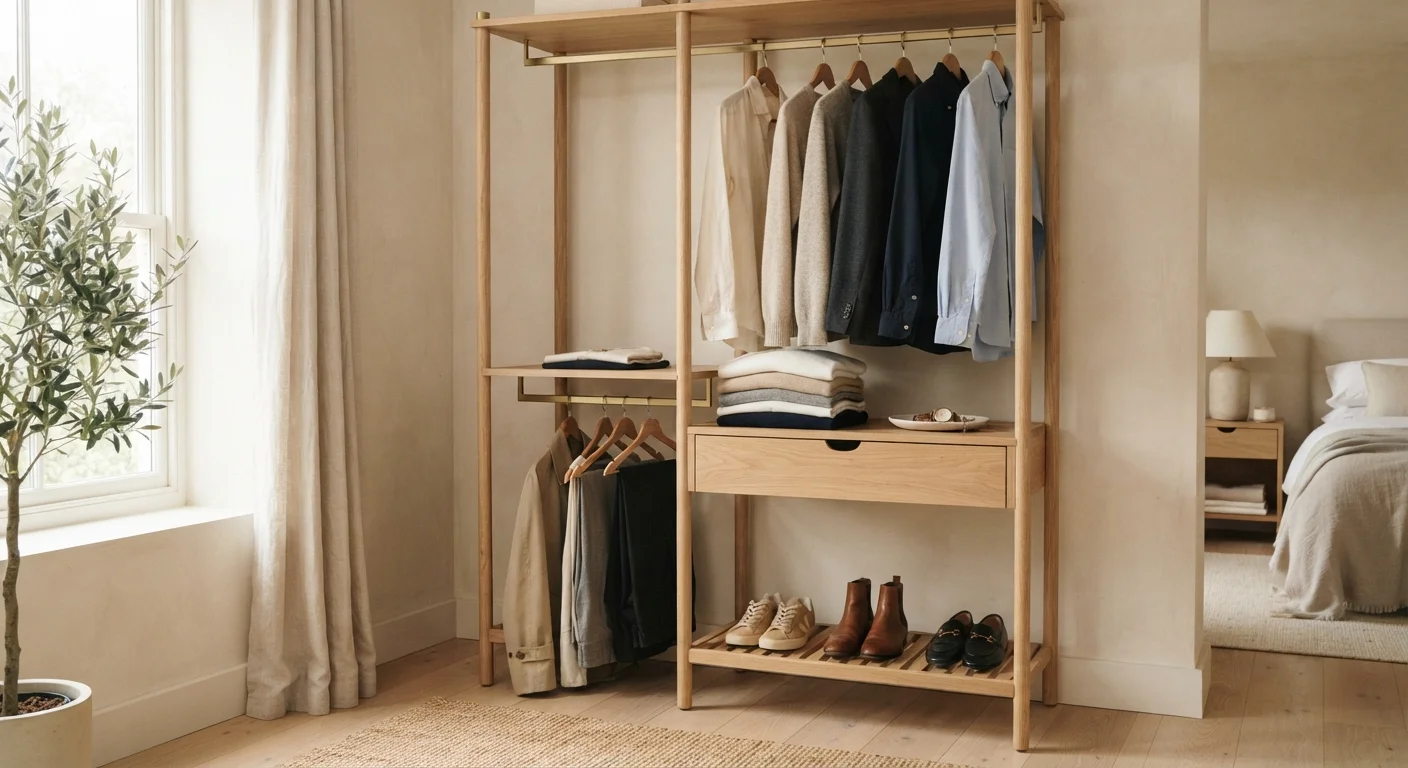
Photo: UltraSearches.com | Search Results You Can Trust editorial
Key Takeaways
- Your lifestyle - not trends - should determine what belongs in your wardrobe.
- A small collection of versatile basics gives you more outfit options than a packed closet of one-offs.
- A neutral color palette makes mixing and matching easier from day one.
- Building a wardrobe gradually is smarter and more sustainable than buying everything at once.
- Fit matters more than brand, price, or style label.
Start With Your Life, Not a Style Mood Board
The most common wardrobe-building mistake is starting with inspiration before starting with reality. Scrolling through style content is fun, but a wardrobe built on aesthetics you admire rather than the life you actually live tends to fill up with unworn pieces fast. As our complementary piece explains, clothes that fit your real life are more stylish than clothes that look good online.
Before buying a single item, ask yourself a few honest questions: Where do you spend most of your time - at a desk, outdoors, running errands, in a more formal setting? What's your typical week made up of? What do you currently wear on your most comfortable days?
Write those answers down. This is your lifestyle brief, and it's the foundation every good wardrobe decision should build on. A wardrobe that fits your Monday-through-Friday is infinitely more useful than one built for a hypothetical weekend.
Capsule wardrobe
A small, curated set of versatile clothing pieces - typically 20-40 items - chosen to mix and match easily and cover most everyday needs without excess.
Neutral base
A group of colors (like navy, white, grey, or camel) that naturally coordinate with each other and form the foundation of a mix-and-match wardrobe.
Cost-per-wear
A way of thinking about clothing value: the total price divided by how many times you'll realistically wear it. A durable item worn often can be more economical than a cheap one worn rarely.
Versatile piece
A clothing item that works across multiple outfits, occasions, or seasons - giving you more options relative to the space and money it requires.
Lifestyle brief
A personal summary of where you spend your time and what you actually do day-to-day, used as a guide for which wardrobe pieces make practical sense for you.
The Core Pieces That Actually Do the Work
A functional wardrobe isn't about volume - it's about versatility. The goal in the early stages is to build a set of pieces that reliably go together, so you can create multiple outfits without needing a closet full of options.
Here are the categories most everyday wardrobes benefit from:
- Bottoms: One or two well-fitting pairs of pants, jeans, or skirts that match your daily context.
- Plain tops: A handful of solid-colored shirts or blouses in neutral shades. These are the workhorses of any outfit.
- A layer: A cardigan, structured jacket, or denim overshirt adds polish and adapts to temperature shifts.
- Comfortable everyday shoes: At minimum, one casual pair and one slightly dressier option.
- One occasion-ready outfit: Something that works for a job interview, a family event, or a dinner out - so you're never scrambling.
Once you've covered these bases, you can start adding personality. But start with function. For a deeper look at how to layer these pieces effectively, see our guide on layering clothes that actually work together.
Test Versatility Before You Buy
How to Choose Colors That Play Well Together
Color is where beginners often feel overwhelmed - and it doesn't need to be. The simplest approach is to anchor your wardrobe in a neutral base and build from there.
Neutral base colors - think navy, white, grey, black, camel, and olive - are easy to mix because they naturally complement each other. When the majority of your wardrobe sits in this range, almost everything pairs with everything else.
Once your base is in place, you can introduce one or two accent colors that you're genuinely drawn to. These show up in things like a printed blouse, a colorful bag, or a scarf - pieces that add visual interest without disrupting the mix-and-match logic you've built.
A practical test: hold any two items side by side. If they share a common undertone (both warm, both cool) or one is neutral, they'll likely work together. You don't need a color theory degree - just a little attention before you buy.
Building on a Budget Without Cutting Corners
Building a wardrobe from scratch doesn't require spending a lot at once - and trying to do so often backfires. Starting slowly and intentionally tends to produce better results than a single large haul where decision fatigue leads to purchases you won't reach for.
A few approaches that tend to hold up well:
- Prioritize fit over price point. An inexpensive shirt that fits well looks better than an expensive one that doesn't.
- Buy less, but buy what you'll actually wear. One piece you reach for three times a week is more valuable than five pieces that stay folded.
- Think cost-per-wear. A slightly higher-quality basic worn 100 times can represent better value than a cheap version worn twice.
- Secondhand and thrift options are genuinely worth exploring for basics - especially for items like denim, outerwear, and layering pieces.
If your clothing budget needs some structure, our guides on budgeting basics are a helpful starting point for making intentional spending decisions. For more targeted strategies, dressing well on a tight budget walks through approaches that hold up over time.
Avoid Buying Everything at Once
Common Beginner Mistakes Worth Avoiding
Even with the best intentions, a few patterns tend to trip up first-time wardrobe builders. Knowing them ahead of time saves real time, money, and closet space.
Buying for a fantasy version of your life. That blazer for the dinner parties you imagine having, the activewear for the workout routine you haven't started - these pieces feel useful in the store and hang unused at home. Buy for where you are now.
Ignoring fit because you love the style. Fit is the single factor that most consistently makes clothing look intentional. If something doesn't fit well off the rack, factor in whether it's worth tailoring before buying.
Shopping without a plan. Walking into a store without a sense of what you need leads to impulse purchases that don't connect with what you already own. A short list helps enormously.
For a more detailed look at wardrobe decisions that are harder to undo than they look, check out our piece on wardrobe choices that are harder to undo than they look. And once you feel good about your starting point, the wardrobe audit guide is a great next step to refine and fill gaps thoughtfully.
Frequently Asked Questions
The content on this site is for informational purposes only and is not a substitute for professional advice. Always consult a qualified professional for guidance specific to your situation.