
Dress Codes Decoded: What Casual, Smart Casual, and Business Casual Actually Mean

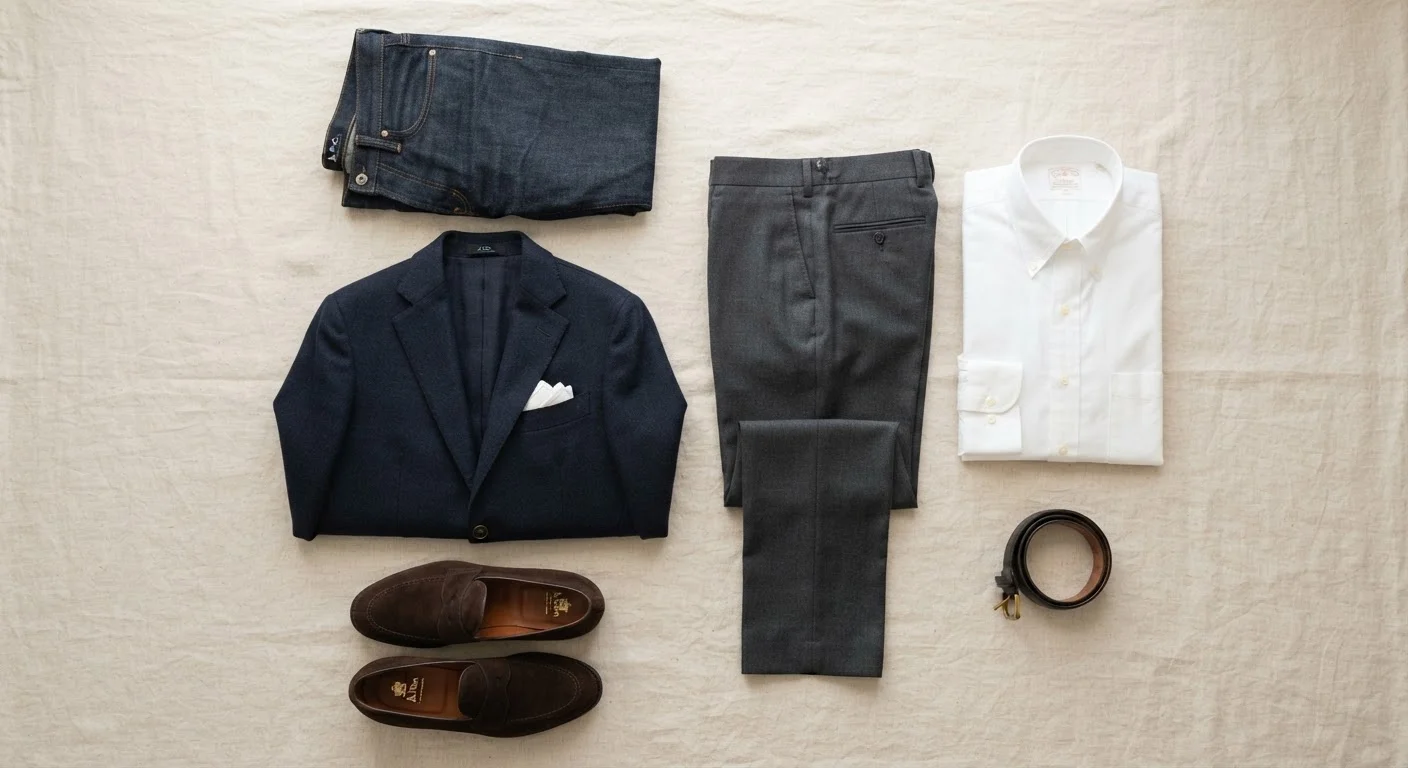
Photo: UltraSearches.com | Search Results You Can Trust editorial
Why Dress Codes Are So Confusing
Dress codes exist to set a shared expectation - but the language used to describe them has never been standardized. One company's "business casual" is another's "smart casual," and a wedding invitation's "casual" can mean anything from sundresses to jeans. The result? A lot of unnecessary anxiety about getting dressed.
The good news is that each code does have a recognizable logic to it. Once you understand the intent behind the label, you can interpret it with confidence - even when the wording is vague. Below, we break down the three most commonly encountered everyday dress codes.
| Casual | Comfort-first; jeans, t-shirts, sneakers, relaxed fits |
| Smart Casual | Polished but relaxed; chinos, neat tops, loafers or clean sneakers |
| Business Casual | Professional without a suit; slacks, blazers, blouses, dress shoes |
| Most Misread Code | Smart Casual - often confused with both casual and business casual |
| Footwear Signal | Shoe choice is often the clearest indicator of dress code level |
| Fit Matters Most | Well-fitting clothes elevate any dress code level, regardless of price |
Casual: Comfortable, Not Careless
What it typically means: Casual dress is the most relaxed tier, but "casual" doesn't mean anything goes. The goal is comfort and personal expression within a broadly presentable standard. Think clean, well-fitting clothes that reflect effort - even if that effort is minimal.
- Bottoms: Jeans (in good condition, no heavy distressing), chinos, casual trousers, or shorts depending on setting and season
- Tops: T-shirts, henleys, casual button-downs worn open or untucked, simple knit sweaters
- Footwear: Clean sneakers, loafers, sandals, or casual boots
- What to skip: Gym clothes, worn-out items with holes, overly revealing fits, or anything that looks unwashed
Casual is the code for weekend plans, informal social gatherings, and low-key work environments. It's also the foundation of a great capsule wardrobe - versatile pieces that work without much thought.
Smart Casual: The Most Misunderstood Middle Ground
What it typically means: Smart casual sits between relaxed and refined. The word "smart" signals intentionality - you've put thought into your look, even if it doesn't require a blazer. This is the code most likely to cause confusion because it borrows elements from both casual and business casual.
- Bottoms: Dark jeans or chinos (pressed or neat-looking), tailored trousers
- Tops: Collared shirts (button-down or polo), blouses, fitted sweaters, or a simple blazer over a nice top
- Footwear: Leather or suede loafers, ankle boots, clean low-profile sneakers in a neutral color - context-dependent
- What to skip: Athletic wear, graphic tees, or anything heavily distressed
Smart casual is common at dinners, cocktail-adjacent events, creative workplaces, and social occasions where the host wants guests to look put-together without full formality. A helpful rule: start with a casual outfit, then add one elevated element - a blazer, a structured bag, or polished shoes.
When In Doubt, Ask
Mixing neutral and statement pieces is a smart strategy here - a clean neutral base with one intentional detail reads as polished without being overdressed.
Business Casual: Professional Without the Suit
What it typically means: Business casual is the professional standard in many offices and is the code most people encounter at interviews, client meetings, and corporate settings that aren't fully formal. The intent is to look credible and polished without the full weight of a suit and tie.
- Bottoms: Dress trousers, tailored chinos, pencil skirts or midi skirts, structured dresses
- Tops: Blouses, button-down shirts (tucked in), lightweight blazers, fine-knit sweaters
- Footwear: Dress shoes, heeled or flat leather options, loafers - generally leather or leather-look materials
- What to skip: Denim of any kind (in most contexts), athletic footwear, casual t-shirts, and overly casual accessories
It's worth noting that business casual expectations vary meaningfully by industry. Tech companies often interpret it loosely; financial or legal environments may hold a stricter standard. When starting a new role, observe what colleagues actually wear before settling on your interpretation.
Fit is the factor that ties business casual together. A well-fitted pair of trousers and a clean blouse will read more professional than an expensive suit that doesn't fit well. See our piece on dressing for your body shape for guidance on finding cuts that work for you.
The content on this site is for informational purposes only and is not a substitute for professional advice. Always consult a qualified professional for guidance specific to your situation.