
The Capsule Wardrobe: What It Actually Means and Whether It Works

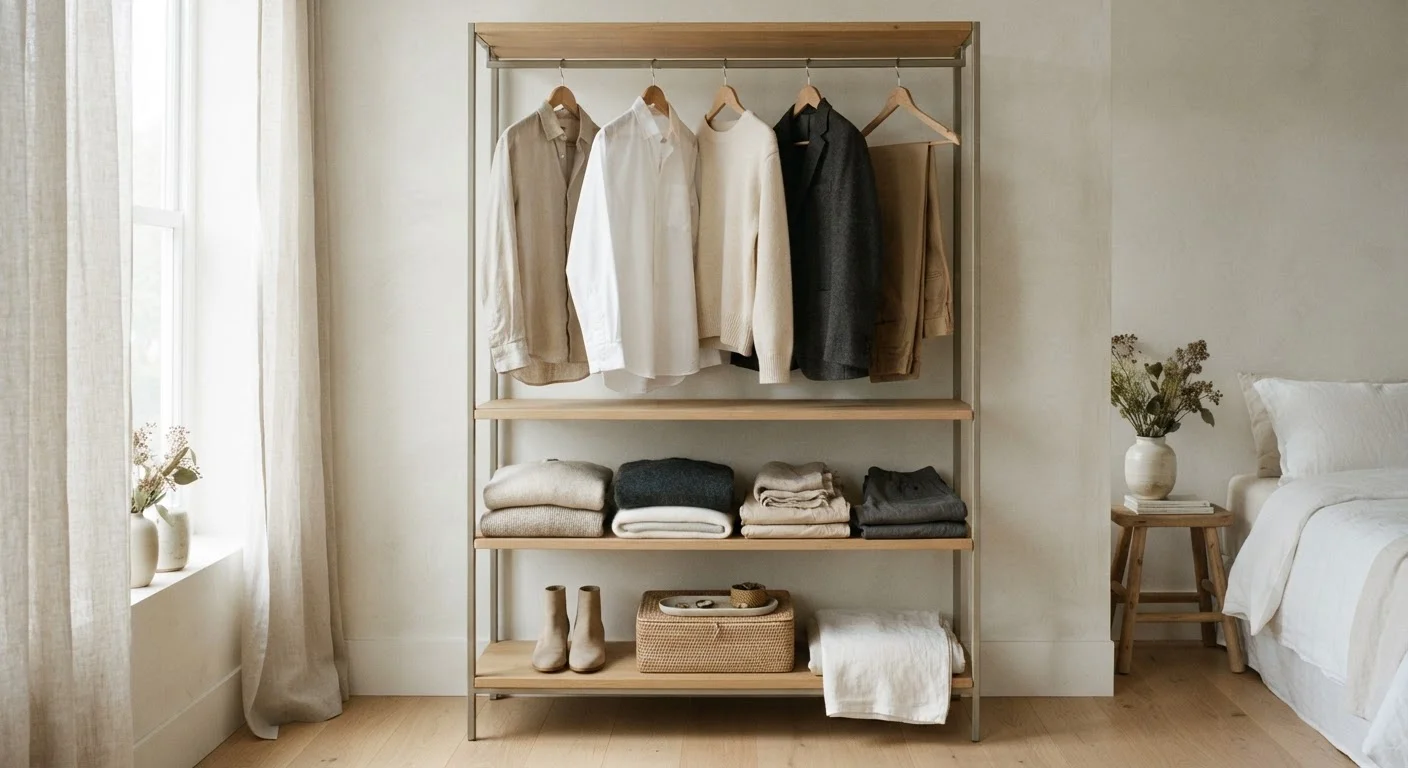
Photo: UltraSearches.com | Search Results You Can Trust editorial
Key Takeaways
- A capsule wardrobe is defined by intentionality, not a specific item count.
- Pieces that work together multiply your outfit options without adding clutter.
- The concept works best when it reflects your actual life, not an idealized one.
- Starting with a wardrobe audit is more useful than buying new items right away.
- There is no single "correct" capsule formula - versatility looks different for everyone.
Where the Idea Comes From
The capsule wardrobe concept has been around for decades, but it resurfaces every few years with renewed enthusiasm - usually during moments when people feel overwhelmed by too much choice. At its core, it's a reaction to the experience most of us know well: a closet packed with clothes, and nothing that feels quite right to wear.
The original idea wasn't about minimalism as an aesthetic. It was practical: build a small core of versatile pieces you actually reach for, and stop filling space with things that don't earn their keep. Over time the concept got picked up, repackaged, and sometimes made to feel more rigid or aspirational than it needs to be.
Understanding what a capsule wardrobe actually is - rather than the Instagram-ready version - makes it far more accessible and genuinely useful.
What Makes It a "Capsule"
The defining quality isn't a number. It's cohesion. A capsule wardrobe is a set of items that work together in multiple combinations, so that dressing feels fluid rather than effortful. Think of it less like a strict inventory and more like a well-considered edit.
~80%
Clothes worn regularly vs. owned
Research and wardrobe studies commonly suggest people regularly wear roughly 20% of their clothing 80% of the time, highlighting how much of the average closet goes underused.
30-50
Typical capsule wardrobe item range
Most capsule wardrobe frameworks suggest a core of 30 to 50 pieces, though practitioners note the number matters far less than the cohesion of the collection.
Practically, this means choosing pieces with some shared visual logic - compatible colors, complementary styles, a mix of weights and textures that layer sensibly. If you're curious about how layering fits into everyday dressing, this practical layering guide breaks it down usefully.
A good capsule also reflects where your life actually happens - your job, your commute, your weekends. Clothes that fit your real life will always outperform pieces that look great in theory but never get worn.
Start With What You Already Own
Does the Concept Actually Work?
For most people, yes - with a realistic expectation of what "working" looks like. A capsule wardrobe won't solve every dressing dilemma, and it won't make every morning effortless. What it tends to do is reduce low-level friction: the daily small stress of figuring out what to wear from a disorganized collection of items that don't quite go together.
The approach works best when it starts with what you already own. A wardrobe audit is usually the most clarifying first step - it shows you what you genuinely wear, what sits untouched, and what gaps are actually worth filling. For those starting more or less from scratch, building a wardrobe from the ground up gives a structured path forward.
Seasons are another practical consideration. A capsule doesn't need to be entirely rebuilt each time the weather shifts - smart transitions can carry most pieces forward. Seasonal wardrobe transitions are far more manageable when your foundation is already cohesive.
Making It Work for You
The most important thing to understand is that a capsule wardrobe is personal. There's no standard list of items that works for everyone. A person who works in a creative office has different needs than someone whose days are split between remote work and weekend outdoor activities. Understanding dress codes can help you identify which registers your wardrobe actually needs to cover.
“The best wardrobe isn't the largest one - it's the one where you know exactly what you have and can get dressed without second-guessing yourself.”
— Susie Faux, London boutique owner credited with coining the term 'capsule wardrobe' in the 1970s
Start by asking which items you reach for repeatedly - those are already your personal capsule, whether or not you've labeled them that way. The goal from there is simply to fill in the gaps thoughtfully, remove what's creating noise, and end up with a collection that genuinely supports how you live.
Frequently Asked Questions
The content on this site is for informational purposes only and is not a substitute for professional advice. Always consult a qualified professional for guidance specific to your situation.