
Grooming Myths That Most Men Still Believe

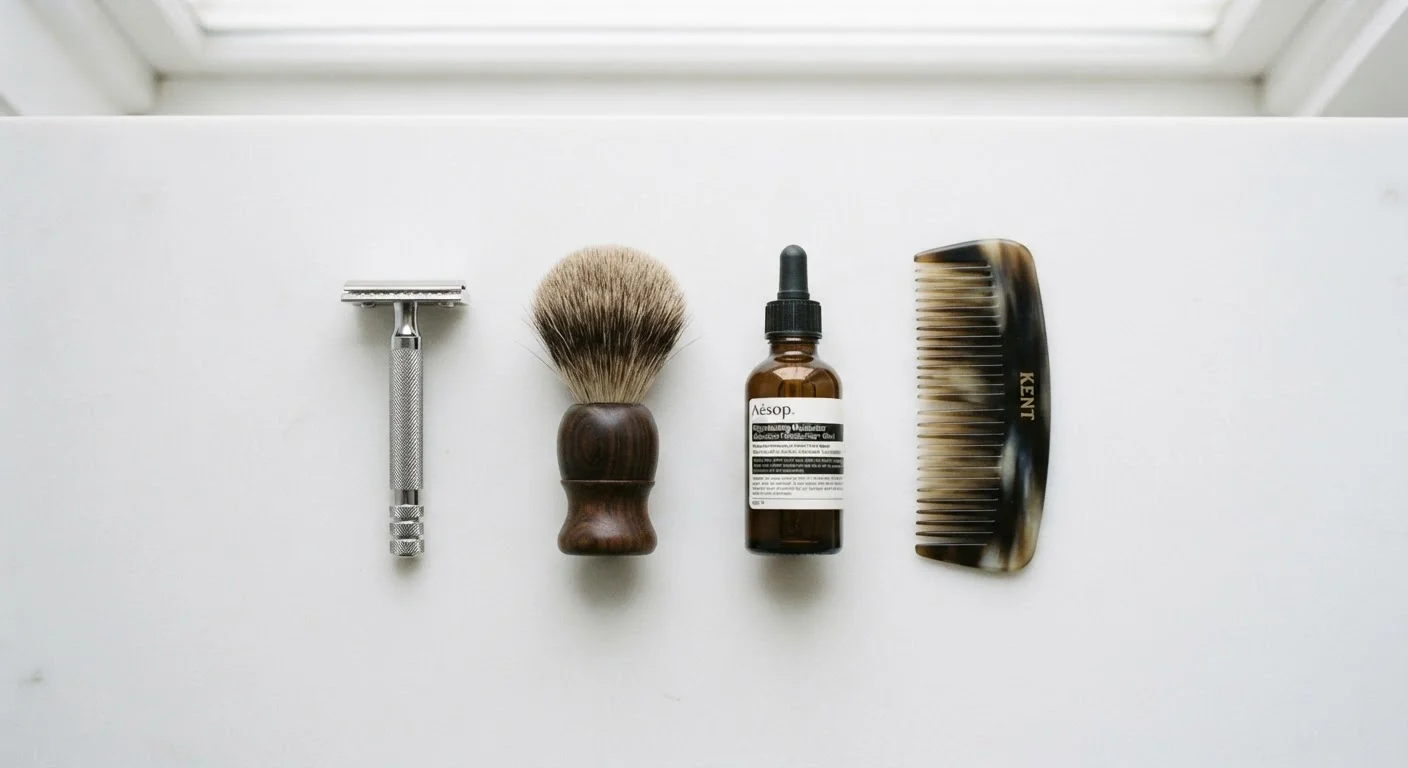
Photo: UltraSearches.com | Search Results You Can Trust editorial
Key Takeaways
- Shaving does not make hair grow back thicker, darker, or faster - it's a visual illusion.
- Cold water does not close pores; pores are not muscles and cannot open or close.
- Men's skin benefits from moisturizer and SPF just as much as anyone else's.
- Washing your face more often does not prevent or cure acne on its own.
- Expensive grooming products are not automatically more effective than affordable alternatives.
Where These Myths Come From
Grooming advice for men has historically been passed down through locker rooms, barbershop chairs, and the occasional magazine sidebar - rarely through dermatology textbooks. The result? A set of half-truths and outright myths that millions of men follow without question. Some are harmless habits; others can actually work against your skin and hair over time.
The good news: busting these myths doesn't require a complicated new routine. It just requires swapping bad information for better information. Once you do, you'll find that looking after yourself is simpler - and cheaper - than the myths suggest. For a fuller picture of what your skin is actually doing while you shave, see how skincare and grooming overlap.
Myth
Shaving makes your hair grow back thicker and darker.
Fact
Shaving has no effect on hair color, texture, or growth rate - these are determined by the follicle, which a razor never reaches.
This is one of the most persistent grooming myths around. When you shave, you cut hair at its widest point, leaving a blunt, flat edge. As that hair grows out, the blunt tip feels stubbly and appears more noticeable - which our brains interpret as "thicker." Dermatologists have confirmed repeatedly that shaving does not alter follicle structure or hormone activity. The hair itself is unchanged; only your perception of it shifts.
Myth
Cold water closes your pores after washing.
Fact
Pores are not muscles - they cannot open or close in response to temperature.
The idea that hot water "opens" pores and cold water "closes" them is appealing but anatomically inaccurate. Pores are simply openings in the skin; they don't have the muscular mechanism needed to dilate or contract on command. What warm water can do is soften the debris inside a pore, making cleansing more effective. Cold water may temporarily reduce the appearance of redness or puffiness by constricting blood vessels near the surface - but it is not sealing anything shut. Consistent cleansing and not skipping moisturizer matter far more than water temperature.
Myth
Men don't need moisturizer - it makes skin oily or causes breakouts.
Fact
Men's skin loses moisture just like anyone else's, and the right moisturizer supports the skin barrier without causing acne.
Male skin does tend to produce more sebum on average, but that doesn't eliminate the need for hydration - especially after shaving, which physically removes a thin layer of skin cells along with hair. A non-comedogenic (meaning formulated not to block pores) moisturizer replenishes the skin's protective barrier. Skipping it can actually prompt the skin to overproduce oil in compensation. Moisturizing fits naturally into a grooming routine and takes about fifteen seconds.
Myth
Washing your face more often clears up acne faster.
Fact
Over-washing can strip the skin's natural oils, triggering more oil production and potentially worsening breakouts.
Acne is driven by a combination of excess sebum, clogged pores, bacteria, and inflammation - not simply by surface dirt. Washing twice daily with a gentle cleanser is what dermatologists generally recommend for most skin types. Scrubbing more frequently or using harsh soaps disrupts the skin's moisture barrier, which can increase irritation and inflammation. If breakouts are persistent or severe, that's a conversation worth having with a dermatologist rather than a reason to increase washing frequency.
Myth
SPF is only necessary on sunny days or at the beach.
Fact
UV rays penetrate cloud cover and glass, meaning skin is exposed to UV damage year-round, even indoors near windows.
Dermatology organizations consistently recommend daily broad-spectrum SPF as a cornerstone of skin health - not just a summer beach accessory. UVA rays, which are associated with long-term skin aging and damage, are present regardless of season or weather. For men who shave daily, an SPF-containing moisturizer applied after shaving is one of the most efficient ways to cover this step without adding extra time to a routine. Sunscreen myths extend well beyond grooming - the evidence is consistent.
Myth
Expensive grooming products always outperform affordable ones.
Fact
Price reflects branding, packaging, and marketing as much as - sometimes more than - ingredient quality or efficacy.
Many active ingredients found in premium grooming products are available in drugstore formulations at a fraction of the cost. What you're often paying for with luxury products is the bottle design, the brand story, and the retail experience. That said, formulation quality does matter: an affordable product with effective, well-researched ingredients will generally outperform an expensive one with mostly filler. Reading ingredient lists - rather than price tags - is a more reliable guide. A practical daily grooming routine doesn't require a premium budget to be effective.
What the Evidence Actually Supports
Dermatologists generally agree on a few foundational principles that cut through the noise: gentle cleansing, consistent moisturizing, sun protection, and using tools correctly. None of these require premium pricing or elaborate multi-step rituals.
90%
Of skin aging linked to UV exposure
According to the Skin Cancer Foundation, approximately 90% of visible skin aging is associated with cumulative sun exposure - making daily SPF one of the highest-impact grooming steps.
2x daily
Recommended face-washing frequency
Most dermatologists recommend cleansing the face twice daily - morning and night - as the baseline for maintaining skin health without disrupting the moisture barrier.
If shaving irritation is a recurring problem for you, the culprit is almost always technique or tool upkeep - not your skin type. Razor burn and ingrown hairs often trace back to fixable habits, and understanding the difference between razor types can help too. See how electric razors and cartridge blades compare for a side-by-side breakdown.
Don't Ignore Persistent Skin or Scalp Changes
Ready to build something that actually works? The building blocks of a daily grooming routine walks through which habits genuinely matter - daily, weekly, and monthly - without overcomplicating things.
This article is for general informational purposes only and does not constitute medical or dermatological advice. For concerns about your skin, hair, or scalp, consult a qualified healthcare professional or board-certified dermatologist.
The content on this site is for informational purposes only and is not a substitute for professional advice. Always consult a qualified professional for guidance specific to your situation.