
The Building Blocks of a Daily Grooming Routine

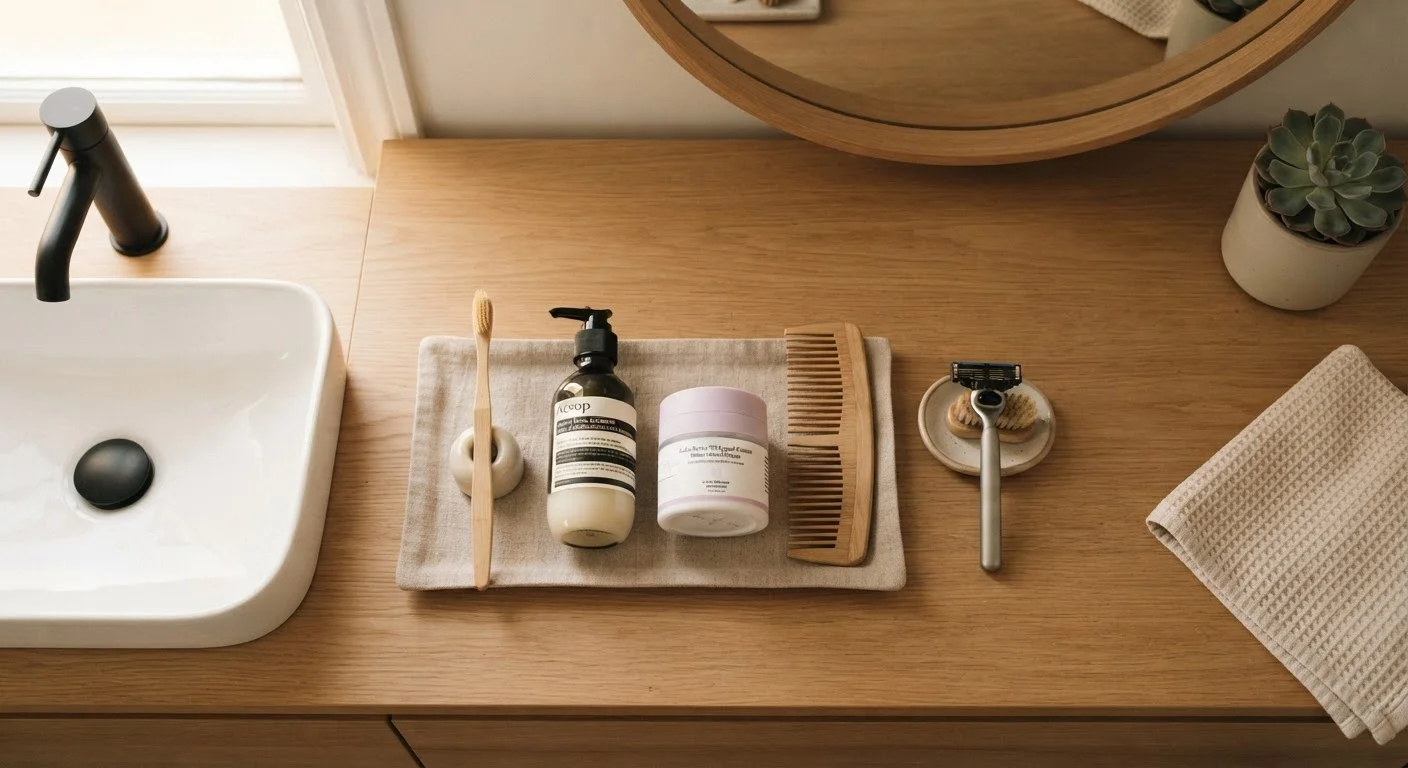
Photo: UltraSearches.com | Search Results You Can Trust editorial
Key Takeaways
- A grooming routine doesn't need to be elaborate - repetition matters more than product count.
- Daily habits like cleansing, moisturizing, and oral care form the non-negotiable foundation.
- Weekly and monthly tasks address hair, nails, and skin concerns that don't need daily attention.
- Grooming and skincare overlap significantly - treating them as one system saves time and effort.
- Your routine should adapt as your skin, hair, and lifestyle change over time.
Why Consistency Beats Complexity
Walk into any drugstore and the sheer number of grooming products can feel paralyzing. The good news? Research and experience both suggest that showing up consistently with a simple routine outperforms an elaborate one done sporadically. Your skin, scalp, and body respond to regularity more than they respond to expensive or complex formulas.
Think of a grooming routine less like a performance and more like maintenance - the same way brushing your teeth twice a day keeps dental problems at bay, a handful of repeated daily habits keeps your skin, hair, and overall appearance in good shape. The same principle behind small daily habits that support long-term well-being applies directly here: small, repeated actions compound over time.
Start with two or three habits, not ten
If budget or time is a real constraint, don't skip everything - prioritize ruthlessly. Our guide to building a minimal routine can help you identify what's truly non-negotiable.
Daily Grooming Habits Worth Building
These are the steps that benefit from daily repetition. Miss one occasionally and nothing falls apart - but make them habitual and you'll notice a real difference over weeks and months.
- Cleanse your face (morning and evening). A gentle cleanser removes overnight sebum buildup in the morning and the day's sweat, pollution, and sunscreen in the evening. Choose a formula suited to your skin type - foaming for oilier skin, cream or gel for drier types.
- Moisturize. Hydration supports the skin's barrier function regardless of skin type, including oily skin. Apply after cleansing while skin is still slightly damp to help lock in moisture.
- Apply SPF in the morning. Dermatologists consistently point to daily sun protection as one of the highest-impact skin habits you can build. Learn more about why in our article on daily sunscreen use.
- Brush and floss teeth. Oral care is grooming too. Twice-daily brushing and daily flossing are the minimum recommended by dental health professionals.
- Deodorant or antiperspirant. Apply after showering or in the morning. These serve different functions - deodorant masks odor, antiperspirant reduces sweating - so choose based on your needs.
- Basic hair care. This doesn't mean washing daily. It means a quick brush or comb to distribute natural oils and detangle, which supports scalp health and hair quality.
Notice that grooming and skincare naturally share several steps. That overlap is intentional - for a deeper look at how the two routines integrate, see our piece on where skincare and grooming meet.
Weekly and Monthly Tasks to Layer In
Not everything needs daily attention. Overgrooming certain areas can actually be counterproductive - over-exfoliating skin, for example, can disrupt its natural barrier. Here's a realistic cadence for tasks that work best on a less frequent schedule.
Weekly
- Exfoliate skin (1-2 times). A gentle physical or chemical exfoliant removes dead skin cells and can improve texture. Frequency depends on skin sensitivity - start with once a week and adjust.
- Deep-clean or condition hair. Depending on hair type and scalp oiliness, most people benefit from washing two to three times per week rather than daily.
- Trim and file nails. Keeping nails clean and shaped is one of the most noticed but underrated grooming habits. It takes under five minutes.
- Shaving or hair removal (as needed). Frequency is entirely personal. What matters is technique - going with the grain of hair growth and using adequate moisture reduces irritation.
Monthly
- Haircut or trim. Regular trims (every four to six weeks for most cuts) prevent split ends and keep the style looking intentional.
- Deeper skin check-in. Note any changes in texture, tone, or any new spots and bring concerns to a dermatologist. This is general awareness, not self-diagnosis.
More products don't mean better results
Key Concepts for Grooming Beginners
Sebum
The natural oil your skin produces to stay moisturized and protected. Too much can feel greasy; too little can lead to dryness and irritation.
Skin barrier
The outermost layer of skin that keeps moisture in and irritants out. A healthy barrier is the foundation of comfortable, resilient skin.
Exfoliation
The process of removing dead skin cells from the surface, either using a gentle scrub (physical) or an acid-based product (chemical). Done correctly, it can improve skin texture and tone.
Antiperspirant vs. deodorant
Deodorant masks or neutralizes odor. Antiperspirant reduces the amount of sweat your body produces. Many products combine both functions.
SPF (Sun Protection Factor)
A measure of how much a sunscreen product protects skin from UVB rays. Higher numbers offer more protection, but consistent daily application matters more than SPF number alone.
Hair porosity
How easily your hair absorbs and holds moisture. Low-porosity hair resists moisture; high-porosity hair absorbs it quickly but loses it fast. Knowing yours helps you choose the right hair products.
Understanding a few foundational terms helps you read product labels and make smarter choices without getting overwhelmed by marketing language.
Putting It All Together
A grooming routine doesn't need to be a production. If you build five to seven daily habits and layer in a handful of weekly tasks, you have a complete, functional routine that covers virtually every grooming need. Start with what feels manageable and add steps gradually rather than overhauling everything at once.
Your routine will also naturally evolve. Skin texture, hair density, and sweat patterns shift with age, season, and health - our article on how grooming needs change across adulthood is a useful next read when you're ready to refine. And if travel tends to derail your habits, check out our guidance on keeping your grooming routine intact on the road.
The goal, always, is a routine you'll actually do - not a perfect one you'll abandon by week two.
This article is for general informational purposes only and is not a substitute for professional medical, dermatological, or dental advice. If you have concerns about your skin, scalp, or oral health, consult a qualified healthcare provider.
Frequently Asked Questions
The content on this site is for informational purposes only and is not a substitute for professional advice. Always consult a qualified professional for guidance specific to your situation.