
Personal Grooming Across Adulthood: How Needs Shift With Age

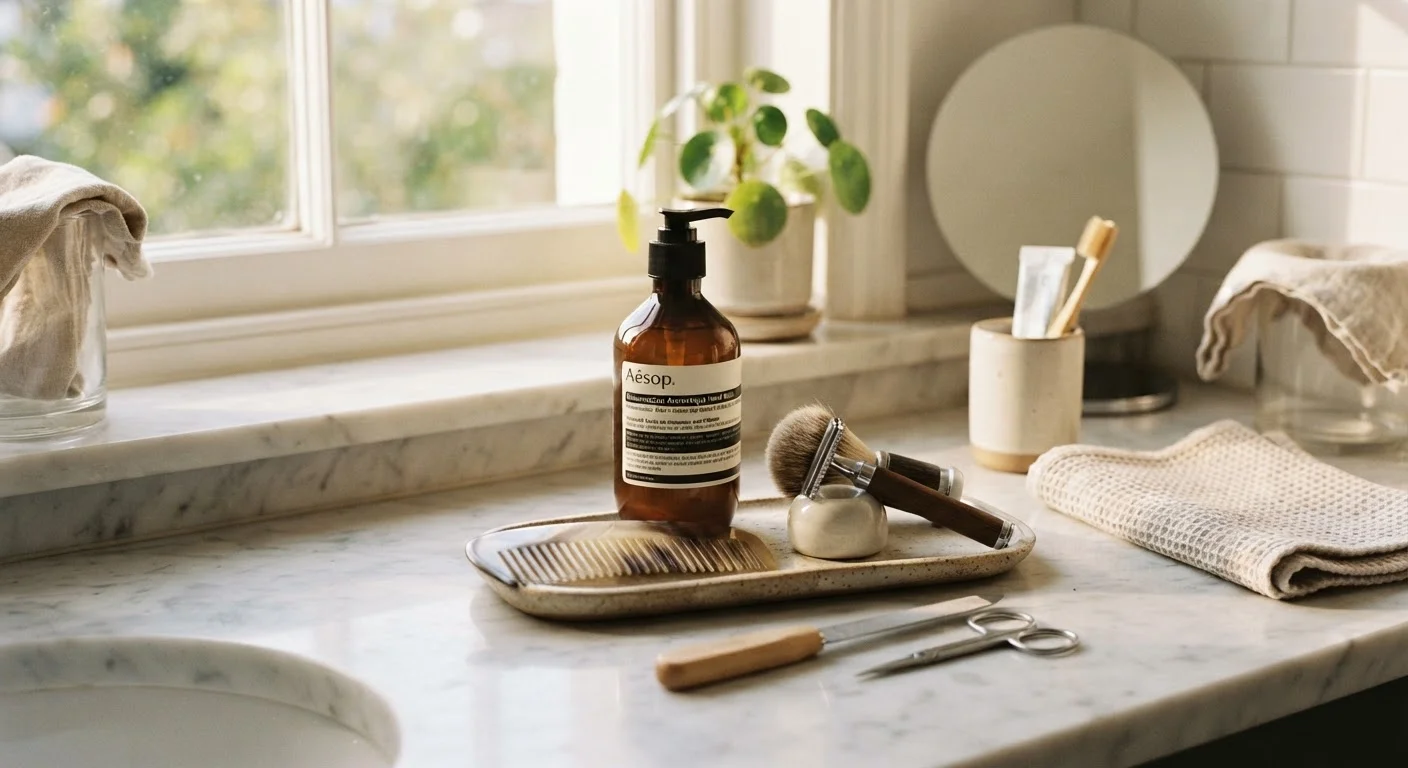
Photo: UltraSearches.com | Search Results You Can Trust editorial
Key Takeaways
- Skin produces less oil with age, making gentle, hydrating products increasingly important over time.
- Hair density and growth patterns shift across decades, requiring routine adjustments.
- Consistent sun protection is one of the highest-value grooming habits at any life stage.
- Nail and scalp care become more significant as circulation and sebum production change.
- Small, consistent tweaks to your routine matter more than overhauling everything at once.
Why Grooming Needs Change at All
Grooming isn't a fixed formula - it's a moving target shaped by real physiological changes happening beneath the surface. Sebaceous glands (the oil-producing glands in your skin) become less active over time. Collagen production slows. Hair follicles shrink. Sweat patterns shift. These aren't signs of decline; they're just the biology of an aging body doing its thing.
Understanding why your skin or hair behaves differently at 45 than it did at 25 gives you a framework for smarter choices - rather than chasing products that worked a decade ago or feeling frustrated when a routine stops delivering results.
~1% per year
Rate of collagen loss after age 30
Research published in dermatology literature broadly estimates collagen production declines approximately 1% per year after the third decade of life.
50%+
Adults who experience notable skin dryness by their 60s
Dermatologists broadly note that xerosis (dry skin) is among the most common skin concerns in older adults, affecting a majority of people over 60.
Grooming intersects with broader health, too. What you eat, how well you sleep, and how you manage stress all show up on your skin and hair. Our nutrition and diet hub has helpful context on how everyday choices influence the body's surface as much as its interior.
Your 20s: Building the Foundation
In your 20s, sebum production tends to be at its peak - which can mean oilier skin, breakouts, and scalp concerns. But this decade is also your best window for cementing habits that will protect you long-term.
- Cleansing: A twice-daily face wash suited to your skin type (oily, dry, combination, or sensitive) removes excess oil and environmental debris without stripping the skin barrier.
- Moisturizer with SPF: Sun protection is non-negotiable. Cumulative UV exposure in your 20s contributes meaningfully to how skin looks in your 40s and beyond.
- Shaving and hair care: Learn technique now. Improper shaving - going against the grain without lubrication, for example - causes irritation that compounds over years. See our guide on common grooming myths for what dermatologists say about shaving habits that persist despite the evidence.
Start SPF as a morning moisturizer habit in your 20s - consistency over decades is what makes the difference, not product cost.
In your 40s and beyond, apply moisturizer within two minutes of stepping out of the shower to trap residual moisture in the skin barrier.
Nail hygiene also deserves attention early. Our nail care reference covers the basics from trimming technique to cuticle health.
Your 30s: Refining and Protecting
Skin cell turnover - the rate at which your skin sheds old cells and generates new ones - begins to slow in your 30s. You may notice that your complexion looks a little duller, that fine lines are becoming visible, or that your skin feels drier than it used to, even if it was oily in your 20s.
- Exfoliation: Gentle chemical exfoliants (like lactic or mandelic acid, found in many over-the-counter products) can help maintain brightness without the irritation of harsh physical scrubs.
- Richer moisturizers: If dryness is creeping in, upgrading to a slightly heavier formula - especially at night - makes a real difference.
- Scalp and hair: Hair texture may shift subtly. The connection between scalp health and hair quality is direct; scalp health and your hair explores which habits support both over time.
Simplify Before You Add
Travel is also common in your 30s, and keeping your routine consistent on the road matters more than people realize. The travel grooming guide has a practical checklist for exactly that.
Your 40s and 50s: Adapting to Visible Shifts
Hormonal changes - particularly in perimenopause and menopause for women, and gradual testosterone shifts for men - drive some of the most noticeable grooming changes in midlife. Skin loses elasticity. Hair may thin at the crown or temples. Body odor can shift as sweat composition changes.
Avoid Over-Exfoliating as Skin Thins
- Hydration focus: Barrier-supportive ingredients like ceramides and hyaluronic acid help maintain moisture that skin is losing more quickly now.
- SPF, every day: If you weren't consistent before, now is the time. This is the stage where that habit shows the most visible return.
- Beard and body hair: Ear, nose, and brow hairs often become coarser and more prominent. Regular trimming is a simple fix. See our beard trimming guide for shaping technique that translates to other facial hair, too.
- Nail care: Nails can become more brittle as circulation and nutrient delivery shift. Keeping nails short and well-moisturized reduces breakage.
The overlap between skincare and grooming becomes more pronounced here. Where skincare and grooming meet explains how steps you're already taking - cleansing, moisturizing, SPF - form a cohesive practice rather than separate rituals.
60 and Beyond: Gentle, Consistent Care
Skin in your 60s and beyond is thinner, more fragile, and drier - the result of decades of reduced oil production and collagen loss. The goal at this stage isn't transformation; it's protection and comfort.
Hormonal Changes Affect Everyone Differently
- Fragrance-free formulas: Sensitized skin reacts more easily, so fragrance-free cleansers and moisturizers minimize irritation.
- Shorter, cooler showers: Hot water strips the skin's natural oils faster. Shorter showers followed by immediate moisturizer application (on slightly damp skin) lock in hydration.
- Regular dermatologist check-ins: Skin changes in this decade warrant professional attention. A dermatologist can distinguish between normal age-related shifts and anything that merits closer monitoring.
- Hair care: Fine or thinning hair responds well to volumizing formulas and lighter conditioners applied mainly to ends, not the scalp.
This article is for general informational purposes only and is not a substitute for advice from a qualified healthcare provider. Consult a dermatologist or physician for concerns specific to your skin, hair, or health condition.
Habits That Pay Off at Every Age
Regardless of where you fall on the age spectrum, a handful of fundamentals deliver across every decade:
- Consistent SPF use - the single most evidence-backed step for long-term skin health.
- Hydration inside and out - drinking adequate water supports the skin's function, while a good moisturizer maintains the barrier externally.
- Routine dental hygiene - oral health is a grooming pillar that affects appearance and overall health.
- Sleep - skin repairs itself during sleep; consistently poor sleep shows up on the face over time.
- Adapting, not overhauling - small, evidence-informed tweaks beat dramatic restarts every time.
“The best skincare routine is the one you'll actually do consistently. Complexity is the enemy of compliance.”
— Board-Certified Dermatologist (paraphrased from widely held clinical consensus), Dermatology practitioner, reflecting broadly shared clinical guidance
Grooming is also one area where thoughtful budgeting pays dividends. A simplified routine that uses a few versatile, well-chosen product categories often outperforms an expensive one with redundant steps. For broader everyday financial thinking, the everyday money tips hub offers practical guidance.
The content on this site is for informational purposes only and is not a substitute for professional advice. Always consult a qualified professional for guidance specific to your situation.