
Scalp Health and What It Has to Do With Your Hair

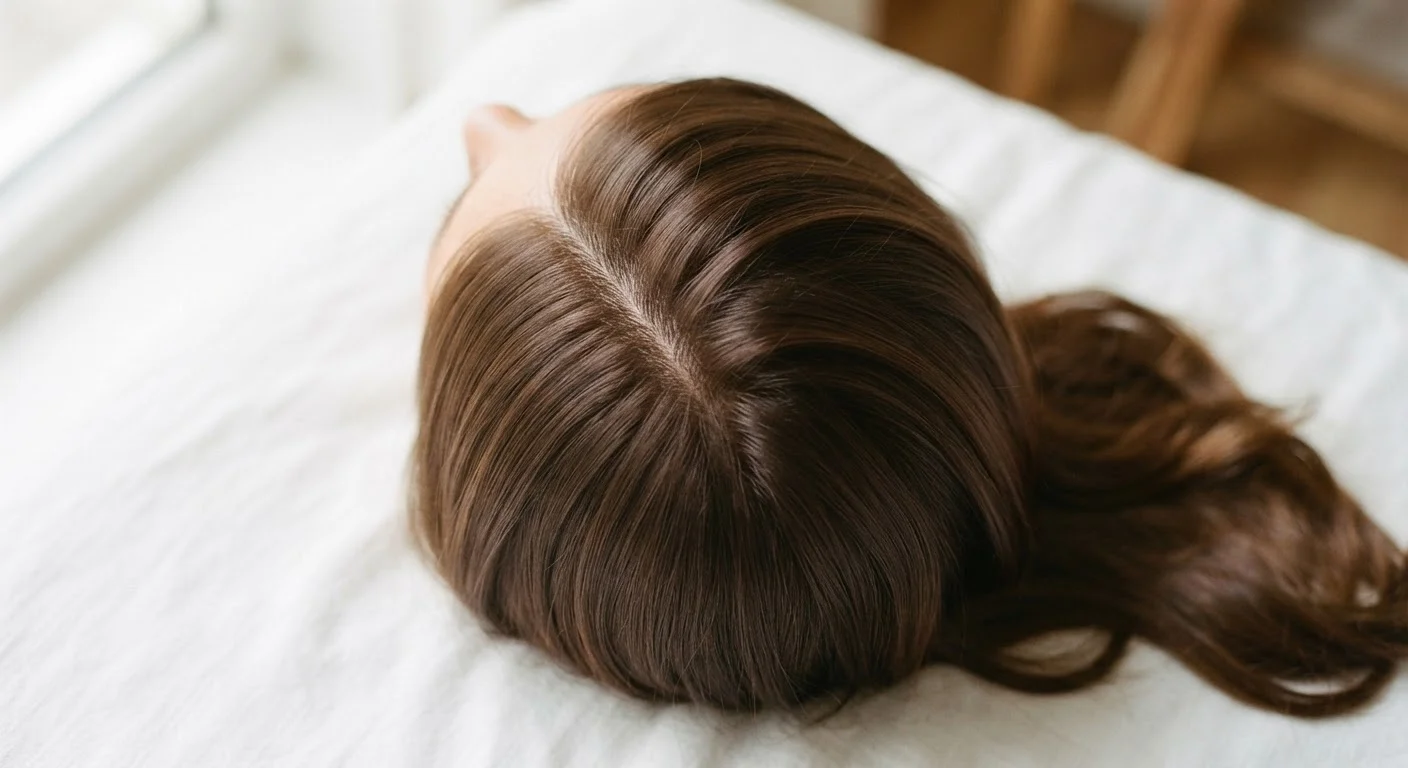
Photo: UltraSearches.com | Search Results You Can Trust editorial
Key Takeaways
- The scalp is living skin - its health directly influences the quality and growth of your hair.
- Over-washing, under-washing, and harsh ingredients can all disrupt scalp balance.
- Simple, consistent habits - not expensive products - make the biggest long-term difference.
- Scalp concerns like persistent flaking or itching may warrant a dermatologist visit.
Why the Scalp Deserves Its Own Attention
Most of us think about hair care in terms of what we see: shine, frizz, breakage, texture. But hair health begins well before the strand emerges from your head. It starts at the follicle - a tiny structure embedded in your scalp skin - and the condition of that skin shapes almost everything about the hair you grow.
The scalp is living tissue. It has its own oil glands, blood supply, and skin barrier, just like the rest of your body. When the scalp is balanced - not too dry, not too oily, free from irritation or excess buildup - follicles can do their job. When it's out of balance, hair often reflects that: increased shedding, dullness, itchiness, or slower growth can all be signals worth paying attention to.
Understanding what affects your scalp - and building a few reliable habits around it - is one of the most practical things you can do for your hair. For a broader look at how grooming routines fit together, see our guide to daily grooming building blocks.
~100,000
Average number of hair follicles on a human scalp
Each follicle is embedded in scalp skin, meaning scalp condition directly affects every strand of hair you grow.
50-100
Hairs shed per day considered normal
According to the American Academy of Dermatology, shedding in this range is part of the natural hair growth cycle for most people.
Common Habits That Disrupt Scalp Balance
A lot of scalp trouble isn't caused by a mysterious condition - it's caused by everyday habits that quietly accumulate. A few of the most common:
- Water temperature: Hot showers feel great, but hot water on the scalp strips natural oils and can leave skin tight and dry.
- Product buildup: Dry shampoo, styling products, and even conditioner applied too close to the scalp can accumulate and irritate follicles over time.
- Tight hairstyles worn daily: Consistent tension on the scalp from tight ponytails, braids, or extensions can stress follicles, particularly around the hairline.
- Ignoring early signals: Persistent flaking, itching, or tenderness are the scalp's way of asking for attention - dismissing them often lets the underlying issue worsen.
It's also worth noting that different hair types interact with scalp care differently. Hair typing systems can offer some context, though they have real limitations when it comes to predicting individual scalp behavior.
When to See a Dermatologist
Best Practices for a Healthier Scalp
Good scalp care doesn't require a complicated multi-step system. A handful of consistent, evidence-informed practices make a meaningful difference for most people.
Wash your scalp at a frequency that matches your scalp type, not a generic schedule.
Massage your scalp gently during washing rather than scrubbing aggressively.
Rinse shampoo and conditioner thoroughly to prevent product buildup on the scalp.
Be mindful of heat application near the scalp, including blow-dryers held too close.
Support scalp health from the inside by staying hydrated and eating a balanced diet.
Match Your Routine to the Season
Start Simple: Quick Wins You Can Try Today
You don't need to overhaul your entire routine to start seeing a difference. A few targeted adjustments - tried consistently - are often all it takes. Grooming needs also shift over time, so it's worth revisiting your habits periodically. Personal grooming across adulthood explores how skin and scalp changes with age and what that means for your routine.
“The scalp is an extension of your skin, and it deserves the same thoughtful care. Hair problems often begin at the root - literally.”
— Board-Certified Dermatologist, Specialist in hair and scalp conditions
This article is for general informational purposes only and does not constitute medical advice. If you have persistent scalp symptoms or concerns about hair loss, consult a qualified healthcare professional or dermatologist.
The content on this site is for informational purposes only and is not a substitute for professional advice. Always consult a qualified professional for guidance specific to your situation.