
Brake Wear: The Signs Most Drivers Ignore Too Long

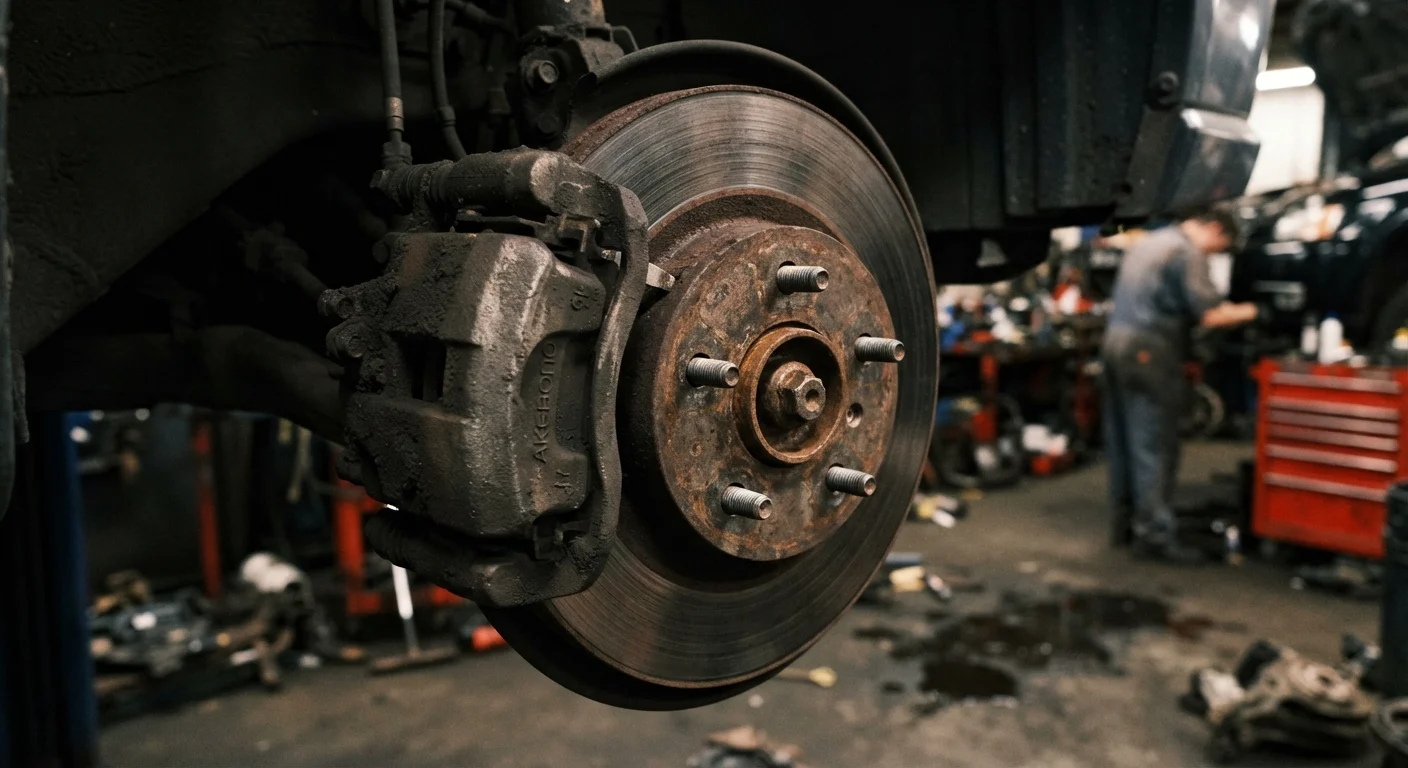
Photo: UltraSearches.com | Search Results You Can Trust editorial
Key Takeaways
- Squealing, grinding, and vibration are distinct brake wear signals - each points to a different problem.
- Delaying brake service after warning signs appear significantly increases repair costs and safety risk.
- Most brake inspections can be performed visually through the wheel spokes without removing the wheel.
- A spongy or low brake pedal may indicate fluid issues, which require immediate professional attention.
- Brake pad life varies widely by driving style, vehicle weight, and terrain - mileage alone is not a reliable guide.
Why Brake Wear Goes Unnoticed Until It's Serious
Brakes wear down slowly, and that gradual process works against driver awareness. Because the change happens over thousands of miles, the warning signs feel normal - until they don't. Many drivers conflate minor brake noise with road conditions or write off a soft pedal as just how their car feels. By the time the problem is undeniable, it's often more expensive and more dangerous than it needed to be.
Understanding what your brakes are communicating - and when - is one of the most practical safety skills a driver can develop. It doesn't require mechanical expertise. It requires paying attention to specific, identifiable cues. See our routine maintenance overview for how brake inspections fit into a broader service schedule.
Dismissing brake squeal as temporary or weather-related.
Ignoring a grinding or metal-on-metal sound when braking.
Attributing steering wheel vibration under braking to road conditions or tires.
Overlooking a spongy or low-feeling brake pedal.
Using mileage alone to judge when brakes need service.
How to Catch Problems Before They Escalate
The most effective habit is periodic visual inspection. On most vehicles, you can see the brake pad through the wheel spokes - the pad material should measure at least 3mm thick. Below that threshold, many mechanics recommend replacement. Rotor condition also matters: deep grooves or a pronounced lip around the rotor's edge are signs of uneven wear that a visual check will reveal.
~22%
Of vehicles with brake-related defects on the road
Federal vehicle inspection data has consistently found a significant share of inspected vehicles with worn or defective brake components, underscoring how common deferred brake maintenance is.
3mm
Minimum recommended brake pad thickness
Most automotive technicians recommend replacing brake pads at or before 3mm of remaining friction material to maintain adequate stopping performance.
When a dashboard brake warning light illuminates, take it seriously. That light can signal low brake fluid, worn pads triggering a sensor, or an imbalance in hydraulic pressure. Each scenario warrants prompt inspection. For a full breakdown of what warning indicators mean, see our guide on reading your car's dashboard warning lights.
Drivers of higher-mileage vehicles should increase inspection frequency. Brake components don't follow the same wear curve as on newer vehicles, and deferred maintenance compounds faster. The high-mileage vehicle guide covers what to watch closely as odometer numbers climb.
Don't Confuse Brake Noise With Normal Break-In Sounds
If you're unsure whether what you're experiencing is brake-related, have a qualified mechanic evaluate the system. Brakes are a safety-critical component - guesswork carries real risk.
The content on this site is for informational purposes only and is not a substitute for professional advice. Always consult a qualified professional for guidance specific to your situation.