
Oil Changes: What Actually Happens If You Skip Them

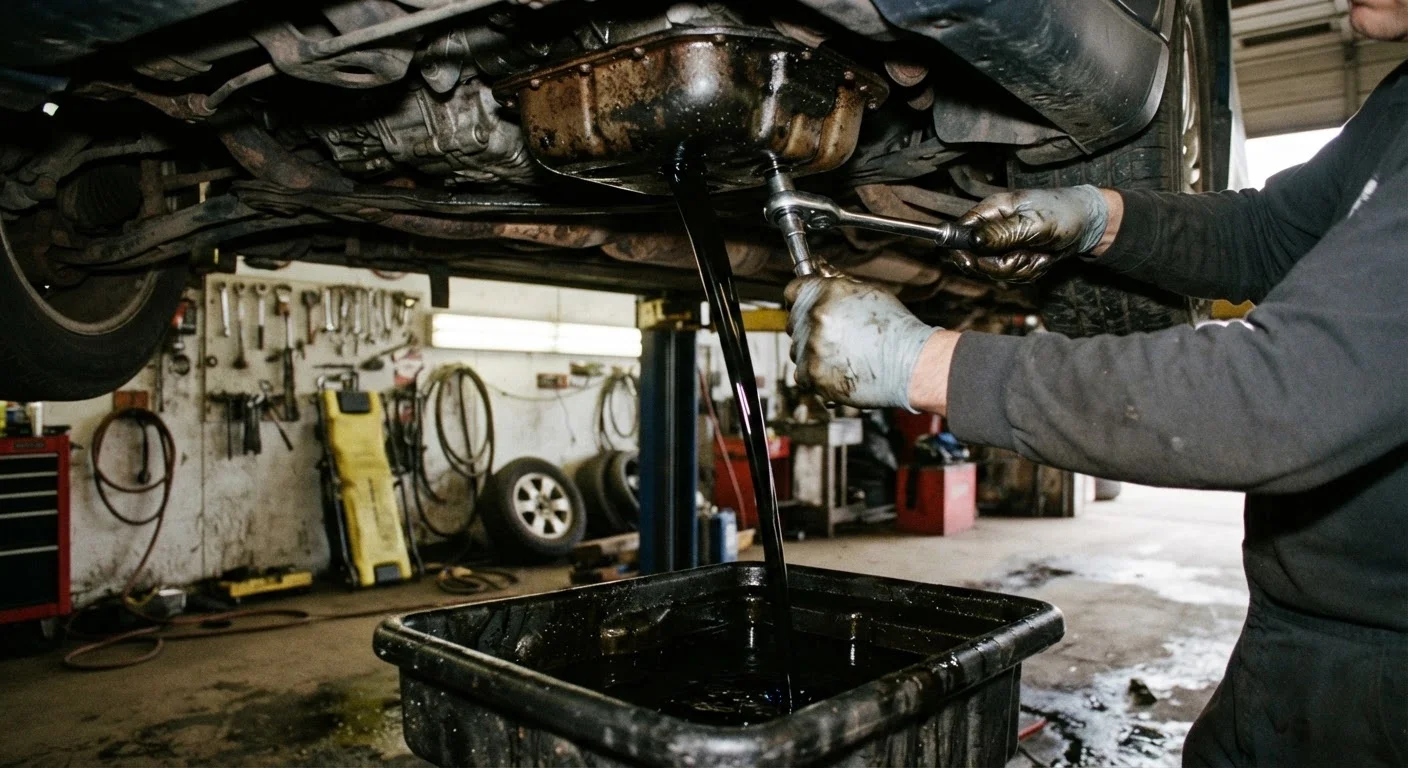
Photo: UltraSearches.com | Search Results You Can Trust editorial
Key Takeaways
- Oil loses its protective and cleaning properties gradually, not all at once, making damage easy to overlook.
- Sludge buildup - a direct result of neglected oil changes - is one of the leading causes of premature engine failure.
- Skipping a single interval rarely destroys an engine, but repeated skips compound risk significantly.
- Oil change intervals vary by vehicle; follow your owner's manual, not a universal rule.
- Engine repair or replacement costs dwarf the expense of routine oil changes.
What Engine Oil Actually Does
Engine oil performs three jobs simultaneously: it lubricates moving metal parts to reduce friction, it carries heat away from components the coolant can't directly reach, and it suspends and transports combustion byproducts - soot, metal particles, and acids - to the oil filter. Fresh oil handles all three well. Degraded oil handles none of them adequately.
Most drivers understand that oil lubricates, but the cleaning function is equally critical. Every combustion cycle introduces contaminants into the crankcase. Oil additives neutralize acids and keep particles suspended so they can be trapped by the filter rather than deposited on engine surfaces. Once those additives are spent, contaminants begin to settle.
See what routine maintenance your car actually needs for a broader look at how oil changes fit into a complete maintenance schedule.
The Degradation Timeline: What Changes Inside the Engine
Oil doesn't fail all at once - it declines across a progression that's easy to miss from the driver's seat.
- Color darkens: Fresh oil is amber. Within the first few thousand miles, combustion soot turns it dark brown or black. Darkness alone doesn't mean oil is spent, but it signals contamination is accumulating.
- Viscosity shifts: Heat cycling causes oil to thin over time. Thinner oil forms a weaker film between metal surfaces, increasing metal-on-metal contact under load.
- Additive depletion: Detergents, dispersants, and anti-wear agents are consumed during normal operation. Once depleted, the oil can no longer neutralize acids or keep contaminants suspended.
- Sludge formation: Unsuspended contaminants, oxidized oil, and moisture combine to form a thick, tar-like deposit - sludge. It clogs oil passages and starves components of lubrication.
~$50-$120
Typical cost of a routine oil change
Industry estimates place standard oil change costs in this range depending on oil type and location - a fraction of what even minor engine repairs cost.
$3,000-$10,000+
Estimated cost of engine replacement
According to automotive repair data, replacing a passenger car engine typically falls in this range, often exceeding the value of older vehicles.
5,000-10,000 mi
Typical modern oil change interval
Most current manufacturer recommendations for vehicles using full synthetic oil fall within this range, according to published owner's manual data across major automakers.
The transition from darkened oil to sludge can happen faster than most drivers expect, particularly in stop-and-go driving, towing, or very short trip cycles where the engine never fully warms up.
Specific Damage That Follows Neglected Oil Changes
Once sludge forms and oil loses its protective properties, specific mechanical failures become progressively more likely:
- Bearing wear: Engine bearings depend on a continuous oil film. Degraded or low-volume oil allows metal-to-metal contact, wearing bearing surfaces and eventually producing the knocking noise associated with serious engine damage.
- Camshaft and valve train damage: The valve train - camshafts, lifters, and rocker arms - sits at the top of the engine and is among the last components to receive oil pressure. It's especially vulnerable when oil is thick with sludge.
- Piston ring and cylinder wall wear: Oil also lubricates the cylinder walls. Inadequate lubrication accelerates piston ring wear, leading to increased oil consumption and eventually reduced compression.
- Complete engine seizure: In severe cases, oil starvation causes moving parts to overheat and weld together. A seized engine is typically not repairable and requires full replacement.
Check Your Oil Level Between Changes
For vehicles with significant mileage, oil change discipline becomes even more important. Keeping a high-mileage car on the road requires close attention to lubrication, since older engines may already have reduced oil passage clearances from years of use.
How Often Should You Actually Change Your Oil?
The old "every 3,000 miles" rule is largely outdated for modern vehicles - most manufacturers specify intervals of 5,000 to 10,000 miles or more depending on oil type, engine design, and driving conditions. The correct answer for any given driver lives in the owner's manual, not in a general rule of thumb.
The logic behind manufacturer maintenance schedules explains how those intervals are determined and how to read your vehicle's specific recommendations accurately.
Driving conditions also matter. Frequent short trips, dusty environments, towing, and extreme temperatures all qualify as "severe" driving in most manufacturer definitions and often call for shorter intervals. If your driving profile fits that description, the standard interval may be too conservative in the other direction.
It's also worth examining some widely held beliefs about oil change timing. Car maintenance myths that cost drivers real money addresses several that lead drivers to either change oil unnecessarily often or wait too long.
Frequently Asked Questions
The content on this site is for informational purposes only and is not a substitute for professional advice. Always consult a qualified professional for guidance specific to your situation.