
The Fluids Your Car Depends On

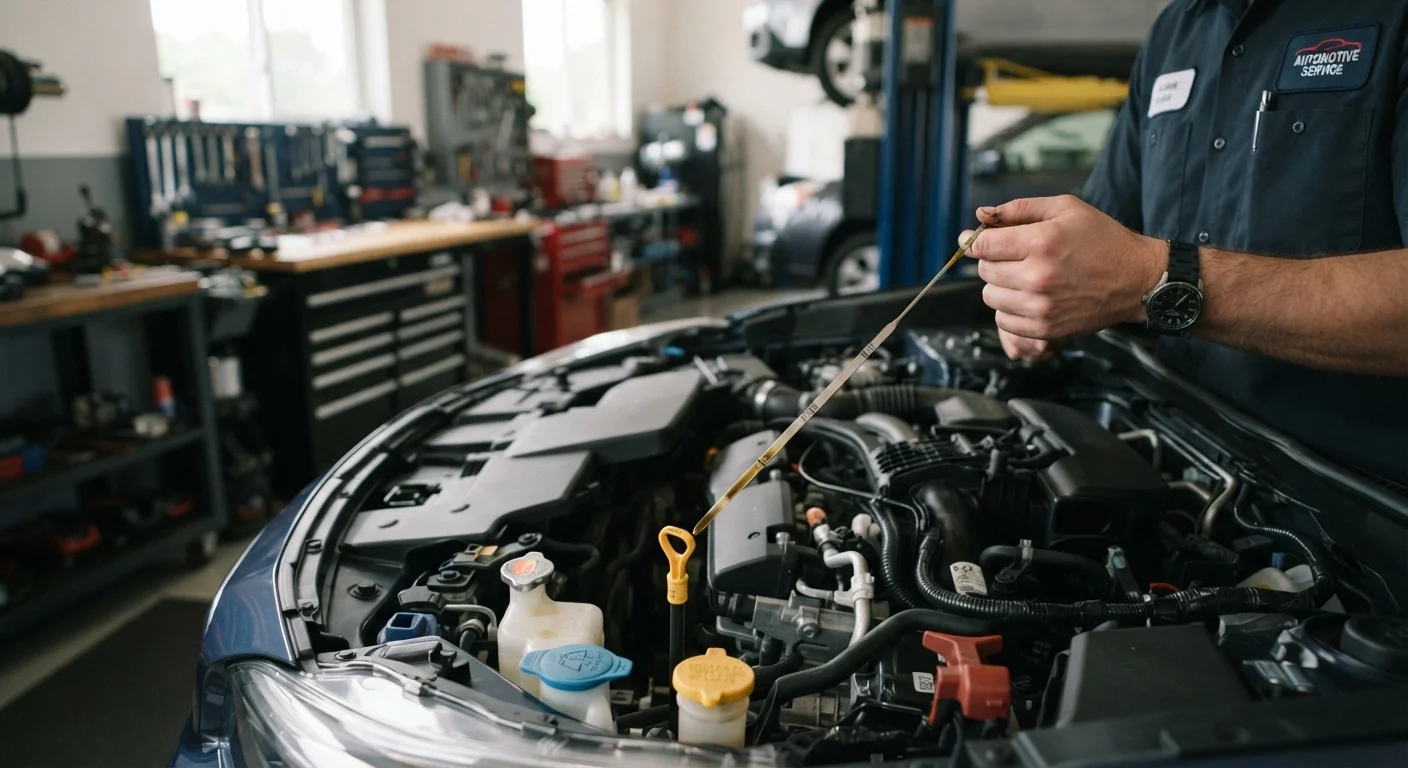
Photo: UltraSearches.com | Search Results You Can Trust editorial
Why Fluids Are the Lifeblood of Your Vehicle
Modern vehicles depend on a carefully balanced system of fluids to run safely and efficiently. Unlike mechanical wear - which is gradual and often invisible - fluid failures can sideline a car quickly and expensively. The good news: most fluid checks take under five minutes and require no tools beyond a clean rag.
Understanding what each fluid does, where to find it, and what warning signs to watch for puts you in control of your vehicle's health. Think of this as your reference guide to keep handy. For a broader look at what maintenance your vehicle actually needs and how often, see routine maintenance your car actually needs.
| Engine oil check frequency | Monthly, or before long trips (General industry guidance) |
| Typical oil change interval (modern vehicles) | 5,000-10,000 miles (Varies by oil type and manufacturer) |
| Coolant flush interval | Every 30,000-50,000 miles (Check owner's manual for your vehicle) |
| Brake fluid inspection | Every 2 years (General manufacturer guidance) |
| Number of essential fluids | 6 (oil, coolant, brake, power steering, transmission, washer) |
| Most safety-critical fluid | Brake fluid (Hydraulic failure can cause brake loss) |
The Six Essential Fluids - What They Do and When to Check Them
Each fluid in your car serves a distinct purpose. Neglecting any one of them can create problems that ripple across multiple systems.
Engine Oil
Engine oil lubricates moving metal parts, reduces heat from friction, and carries contaminants away from the engine. Check the level monthly using the dipstick - engine cold or warmed-up but off for several minutes. Oil that looks black and gritty has degraded. Most modern vehicles go 5,000-10,000 miles between changes depending on the oil type and manufacturer guidance; consult your owner's manual. See common oil change myths for a breakdown of outdated advice.
Coolant (Antifreeze)
Coolant circulates through the engine and radiator to regulate operating temperature - preventing both overheating in summer and freezing in winter. Check the level at the coolant reservoir (never open a hot radiator cap). Coolant typically needs flushing every 30,000-50,000 miles or as specified by your manufacturer. Climate extremes affect how hard your cooling system works - see seasonal car maintenance for regional guidance.
Brake Fluid
Brake fluid transmits the force from your pedal to the brake calipers via hydraulic pressure. It absorbs moisture over time, which lowers its boiling point and can reduce braking effectiveness. Most manufacturers recommend inspecting it every two years. It lives in a small reservoir near the firewall, usually marked with a brake symbol.
Power Steering Fluid
This fluid powers the hydraulic assist that makes steering manageable, especially at low speeds. Many newer vehicles use electric power steering and don't have this fluid at all - check your owner's manual. On vehicles that do have it, inspect the reservoir every six months and top off only with the fluid type specified for your car.
Transmission Fluid
Transmission fluid lubricates the gears and clutch packs in your transmission, keeping shifts smooth. Automatic transmissions often have a dipstick; many newer vehicles have sealed units requiring a mechanic to inspect. Change intervals vary widely - from 30,000 miles on some older vehicles to 100,000+ on newer sealed systems. For high-mileage vehicles, fluid condition becomes especially important: keeping a high-mileage car on the road covers what to watch as vehicles age.
Windshield Washer Fluid
The only fluid on this list with no mechanical consequence for skipping - but critically important for visibility. Use a purpose-made washer fluid, not plain water, which can freeze in winter and promote bacteria growth in summer. Refill as needed; there's no set interval.
Dipstick
A long metal probe inserted into the engine or transmission to measure fluid level. Markings indicate whether the fluid is at the correct level, low, or overfull.
Coolant reservoir
A translucent plastic tank, usually located near the radiator, where you can safely check and add coolant without opening the radiator cap. Always check when the engine is cold.
Hydraulic pressure
The force transmitted through a confined liquid - used in both brake systems and power steering to amplify the driver's input into much greater mechanical force.
Viscosity
A measure of a fluid's thickness and resistance to flow. Engine oil viscosity ratings (such as 5W-30) indicate how the oil performs at both cold start and operating temperature.
Sealed transmission
A transmission designed without a user-accessible dipstick, requiring a mechanic to check fluid level using a plug on the transmission housing. Common on many vehicles made after 2010.
Warning Signs and What to Do About Them
Fluid problems usually telegraph themselves before serious damage occurs. Spotting these signals early is the difference between a modest repair bill and a major one.
~40%
Engine failures linked to lubrication issues
Industry maintenance data consistently attributes a significant share of engine damage to inadequate or degraded oil.
2-3 years
Average brake fluid moisture absorption cycle
Brake fluid is hygroscopic, absorbing ambient moisture over time, which degrades its boiling point and performance.
$100-$200
Typical coolant flush cost
Compared to thousands of dollars for engine damage from overheating, routine coolant maintenance is a low-cost preventive measure.
- Puddles under the car: A small amount of water from the air conditioning drain is normal. Oily, coolant-colored (bright green or orange), or red/brown puddles suggest a real leak. Have it diagnosed promptly.
- Burning smell: Oil or coolant dripping onto hot engine components burns off and produces distinctive odors. Don't ignore this.
- Dashboard warning lights: An oil pressure light or temperature warning should prompt you to pull over safely and check levels - not just make a mental note. Learn what dashboard warning lights mean to respond to them correctly.
- Spongy brake pedal: Air in the brake lines - often a sign of low fluid or a failing seal - requires immediate professional attention. Do not continue driving if braking feels compromised.
- Rough or slipping shifts: Can indicate low or degraded transmission fluid. Have a mechanic inspect the transmission rather than guessing at a fix.
This article provides general vehicle maintenance information for educational purposes. For diagnosis, repairs, or decisions specific to your vehicle, consult a qualified mechanic or your vehicle's manufacturer guidelines.
The content on this site is for informational purposes only and is not a substitute for professional advice. Always consult a qualified professional for guidance specific to your situation.