
Sale Cycles Explained: When Retailers Actually Discount What You Need

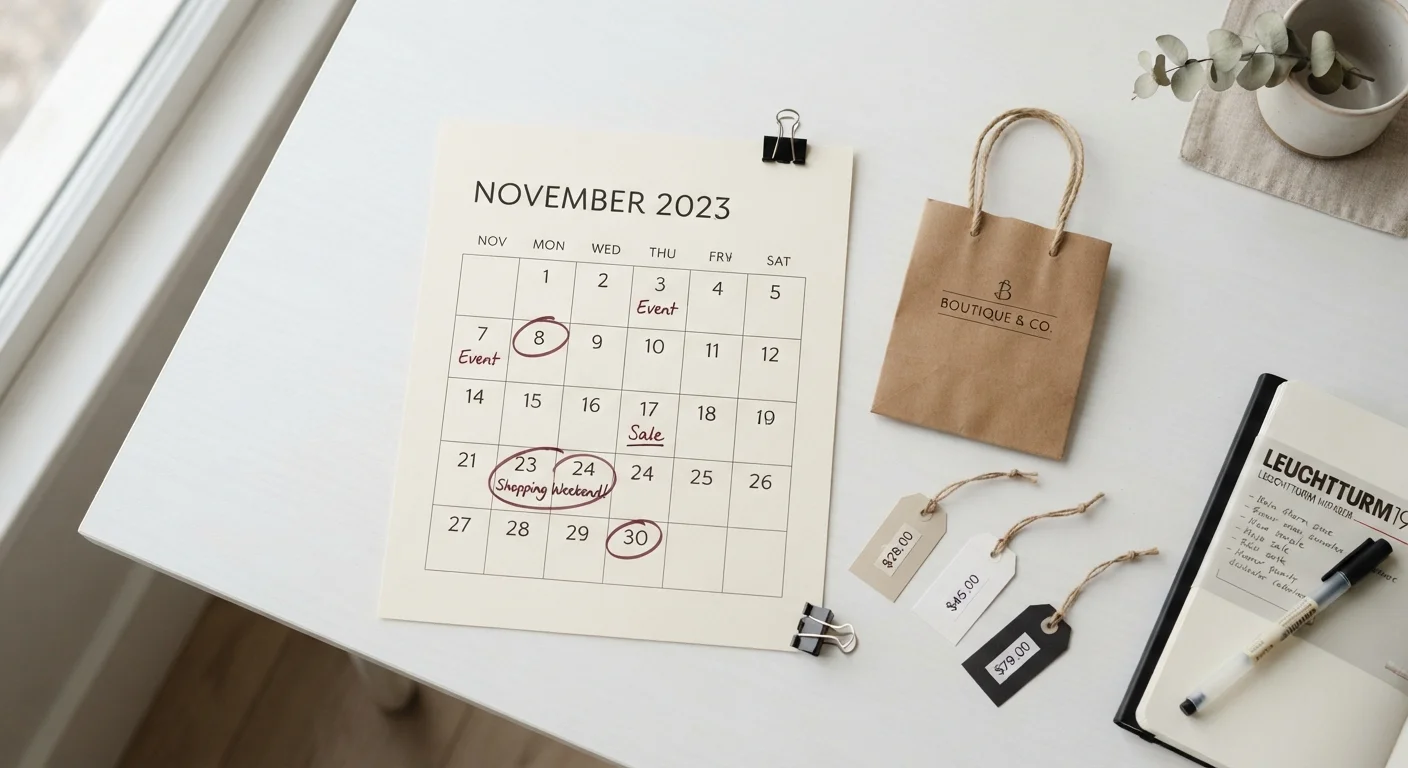
Photo: UltraSearches.com | Search Results You Can Trust editorial
Key Takeaways
- Most product categories follow a predictable annual discount calendar tied to inventory and seasons.
- The biggest markdowns often occur after peak demand, not during it.
- Knowing a category's cycle helps you avoid impulse buys driven by artificial urgency.
- Planning ahead by even a few weeks can mean capturing a genuine discount versus a cosmetic one.
- Psychological pricing tactics can mimic sale cycles - learning both helps you evaluate deals objectively.
Why Retailers Discount on a Schedule
Retailers are not discounting products out of generosity. Markdowns are driven by operational necessity: carrying inventory costs money, new model releases make old stock harder to move, and seasonal demand shifts leave retailers holding merchandise consumers no longer want at full price.
These pressures repeat on a roughly annual basis, which is what creates recognizable sale cycles. A TV priced at $800 in August may sit at $650 in November - not because the retailer decided to be kind, but because a new product generation has arrived and warehouse space is finite. Understanding that discounts serve the retailer's inventory goals - not just your shopping preferences - reframes how you evaluate any promotion.
This also explains why some of the steepest discounts occur after peak demand. Outdoor furniture doesn't go on deep discount in May when everyone wants it; it clears in August and September when the selling window closes. Retailers would rather recover partial margin than pay to warehouse items through winter.
Sale Cycles Aren't the Same as Promotional Events
Common Sale Cycle Patterns by Category
While individual retailer strategies vary, several product categories follow well-documented patterns:
- Consumer electronics: New smartphone and laptop generations typically launch in late summer through fall. Preceding-generation models often see the most meaningful price reductions in the weeks after a launch, not before it.
- Appliances: The industry convention of releasing new appliance lines in the fall means that prior models discount in September and October. Long holiday weekends - Memorial Day, Labor Day - have historically brought appliance promotions as well.
- Clothing and footwear: End-of-season clearance is among the most reliable cycles in retail. Winter apparel discounts in January-February; summer apparel in July-August. The further into clearance a season runs, the deeper the discounts - though selection narrows. See seasonal wardrobe transition strategies for how to apply this to your existing wardrobe.
- Mattresses and bedding: Holiday weekends - particularly Presidents' Day and Memorial Day - have become associated with mattress promotions, making them a reliable planning anchor.
- Fitness equipment: January demand peaks due to resolution-driven buying; prices often soften by February or March as that demand wave recedes.
~30-50%
Typical end-of-season apparel markdown depth
End-of-season clearance in clothing retail commonly reaches 30-50% off original prices as retailers prioritize turnover over margin recovery.
6-8 weeks
Average post-launch electronics price adjustment window
Consumer electronics prices on prior-generation models often see their most meaningful adjustments in the six to eight weeks following a new product generation release.
How to Plan Purchases Around Sale Cycles
The practical application of sale cycle awareness is straightforward: identify what you need to buy over the next six to twelve months, map those items to their typical discount windows, and defer non-urgent purchases accordingly.
This approach works best for planned purchases - appliances, seasonal clothing, electronics, home goods - rather than emergency replacements. A failed water heater can't wait for a sale cycle. But a laptop upgrade, a new winter coat, or a new mattress usually can, and a few weeks of patience may meaningfully reduce cost.
A few principles to anchor your approach:
- Distinguish need from timing pressure. Retailers create urgency through countdown timers and limited-quantity messaging. Sale cycle awareness provides an alternative reference point: is this category actually in its discount window, or is the urgency manufactured?
- Track a normal price, not just the sale price. A "40% off" tag is only useful if you know the baseline. Prices can be inflated ahead of promotional events - a pattern explored in more depth in our article on retail pricing tactics.
- Consider storage and carrying costs for stockpiling. Buying multiples during a sale cycle discount can be worthwhile - but not always. Buying in bulk isn't always the smarter move, especially for perishables or items with changing needs.
Build a Simple Purchase Calendar
The Limits of Sale Cycle Planning
Sale cycles are a useful framework, not a guarantee. Retailer pricing strategies shift, supply chain disruptions alter inventory timelines, and category-wide dynamics change. A pattern reliable for years can be disrupted by product shortages, inflation, or industry restructuring.
Cycles also vary by retailer. A category-wide discount pattern may play out differently at a warehouse club versus a specialty retailer versus a direct-to-consumer brand. Comparing across channels - not just waiting for a cycle - is a sound complementary habit.
Finally, sale cycle planning pairs best with a structured approach to spending overall. If tracking planned purchases sounds like a budgeting exercise, that's because it is one. Resources on building a personal budget and managing savings can provide the broader financial framework that makes timing-based purchasing decisions genuinely useful rather than just another way to justify spending. For a complementary approach to managing what goes in the cart, see list vs. budget shopping strategies.
One often-overlooked step: before any purchase timed to a discount window, verify the return policy. A sale item may carry different terms. Understanding return policies before you reach the register is especially important when buying seasonal or clearance merchandise.
Frequently Asked Questions
The content on this site is for informational purposes only and is not a substitute for professional advice. Always consult a qualified professional for guidance specific to your situation.