
Pet Insurance vs. a Dedicated Savings Fund: Weighing the Trade-offs

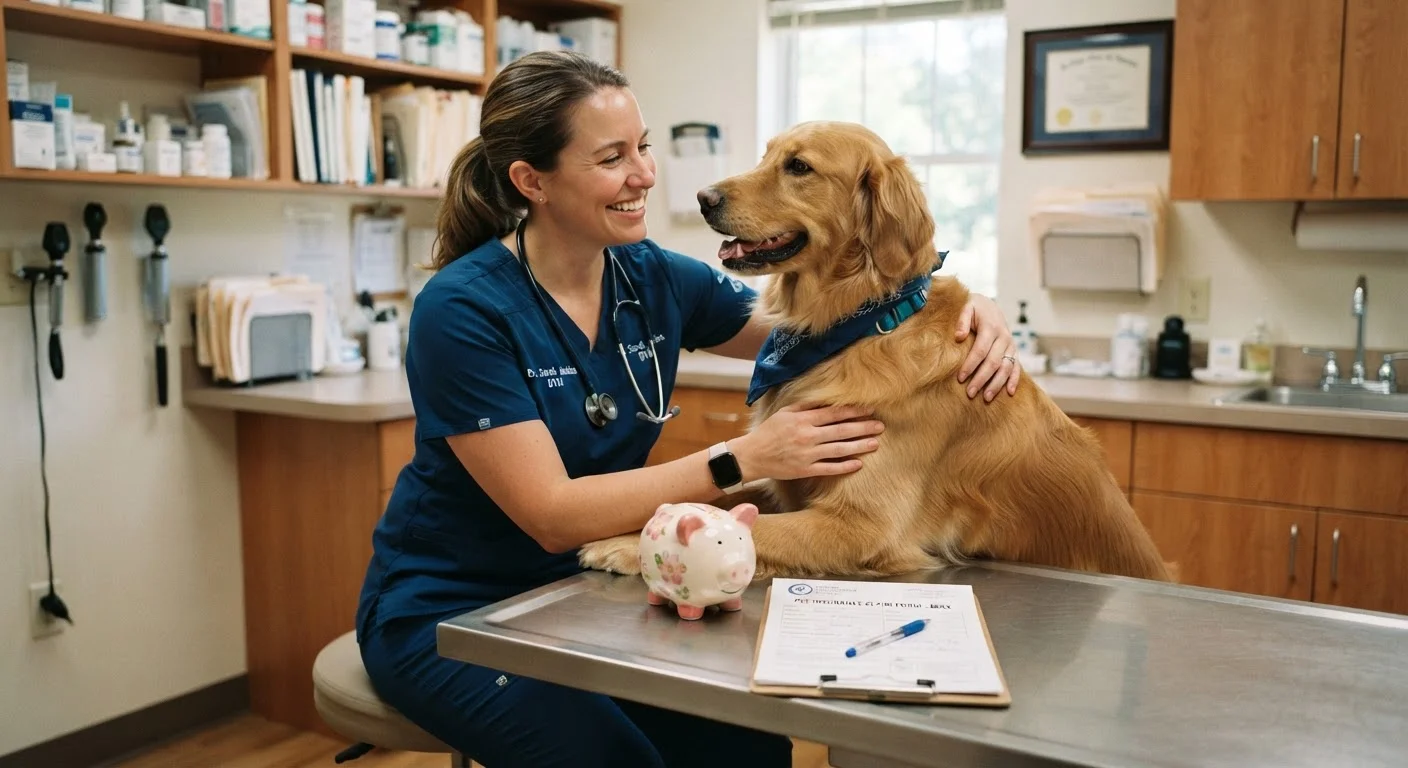
Photo: UltraSearches.com | Search Results You Can Trust editorial
Key Takeaways
- Pet insurance transfers financial risk to the insurer but comes with monthly premiums, deductibles, and exclusions.
- A dedicated savings fund keeps your money accessible but may not be large enough when a major emergency strikes.
- Your pet's breed, age, and health history significantly affect which approach makes more financial sense.
- Some pet owners combine both strategies to balance predictable costs with a safety net.
- Reviewing actual policy documents and consulting a licensed insurance agent is essential before enrolling.
Caps exposure to catastrophic vet bills
A single serious illness or injury can generate bills exceeding $5,000-$10,000. Insurance converts this unpredictable risk into a known monthly premium, protecting household finances from sudden large shocks.
Enables more treatment options
When cost-sharing is in place, owners may feel more comfortable pursuing recommended diagnostics or treatments rather than declining care due to immediate out-of-pocket constraints.
Useful for breeds with known health predispositions
Certain purebred dogs and cats have higher statistical rates of hereditary conditions. Enrolling while the pet is young and healthy can mean those conditions are covered if they develop later.
Predictable monthly budgeting
A fixed premium makes it easier to incorporate pet care costs into a monthly household budget, even if the total paid over time may exceed claims received in low-expense years.
Monthly premiums are an ongoing, non-recoverable cost
Unlike savings, premium dollars paid in a claim-free year are not returned. Over many healthy years, cumulative premium costs can exceed any reimbursements received.
Pre-existing condition exclusions limit coverage
Most pet insurance policies exclude conditions diagnosed before enrollment, meaning owners of pets with existing health issues may find significant gaps in what is actually covered.
Premiums rise with the pet's age
Insurers typically increase premiums annually as a pet ages, which can make coverage progressively more expensive precisely when a pet is statistically more likely to need care.
Reimbursement model requires upfront payment
Most pet insurance plans require the owner to pay the vet in full and then submit a claim for reimbursement - meaning you still need available cash or credit at the time of service.
How Each Approach Actually Works
Pet insurance is a contract between a pet owner and an insurance company. In exchange for a monthly or annual premium, the insurer agrees to reimburse a portion of covered veterinary expenses - typically after you pay a deductible. Most plans reimburse 70-90% of eligible costs once the deductible is met, though reimbursement percentages, annual caps, and covered conditions vary widely by policy. For a foundational overview, see how pet insurance works and when it makes financial sense.
A dedicated pet savings fund, by contrast, is money you set aside yourself - typically in a separate savings account - and draw on when veterinary costs arise. You control the funds entirely; there are no premiums, no claim forms, and no exclusions. The challenge is that the fund must be built before an emergency occurs, which takes time. For broader guidance on building savings reserves, the Saving & Credit hub offers useful context on savings habits and financial planning principles.
The Case for Pet Insurance
Caps exposure to catastrophic vet bills
A single serious illness or injury can generate bills exceeding $5,000-$10,000. Insurance converts this unpredictable risk into a known monthly premium, protecting household finances from sudden large shocks.
Enables more treatment options
When cost-sharing is in place, owners may feel more comfortable pursuing recommended diagnostics or treatments rather than declining care due to immediate out-of-pocket constraints.
Useful for breeds with known health predispositions
Certain purebred dogs and cats have higher statistical rates of hereditary conditions. Enrolling while the pet is young and healthy can mean those conditions are covered if they develop later.
Predictable monthly budgeting
A fixed premium makes it easier to incorporate pet care costs into a monthly household budget, even if the total paid over time may exceed claims received in low-expense years.
Pet insurance shines brightest in scenarios involving large, unpredictable expenses. A single emergency surgery - for a swallowed foreign object, a torn ligament, or a cancer diagnosis - can run $3,000 to $10,000 or more. Insurance converts that kind of catastrophic exposure into a more manageable monthly cost.
It's worth noting that premiums are not fixed forever. Insurers typically raise rates as a pet ages, and some conditions diagnosed before enrollment may be excluded as pre-existing. Reading the actual policy document - not just the marketing summary - is essential before signing up.
The Case for a Dedicated Savings Fund
Monthly premiums are an ongoing, non-recoverable cost
Unlike savings, premium dollars paid in a claim-free year are not returned. Over many healthy years, cumulative premium costs can exceed any reimbursements received.
Pre-existing condition exclusions limit coverage
Most pet insurance policies exclude conditions diagnosed before enrollment, meaning owners of pets with existing health issues may find significant gaps in what is actually covered.
Premiums rise with the pet's age
Insurers typically increase premiums annually as a pet ages, which can make coverage progressively more expensive precisely when a pet is statistically more likely to need care.
Reimbursement model requires upfront payment
Most pet insurance plans require the owner to pay the vet in full and then submit a claim for reimbursement - meaning you still need available cash or credit at the time of service.
A self-funded approach eliminates the overhead of premiums entirely. If your pet has a healthy year, the money you would have paid in premiums stays in your account. Over many years with a healthy pet, this can amount to a meaningful sum.
The structural weakness is timing. A savings fund only works as a safety net once it reaches a meaningful balance - often cited as at least $1,000-$3,000 for routine emergencies, though serious conditions can cost far more. Owners of pets with complex or ongoing health needs may find that a fund alone is insufficient, particularly early in a pet's life before the account has had time to grow. The principles behind building a personal emergency fund - discussed in why three to six months is the standard - apply directly here.
Key Factors That Shift the Balance
Several variables meaningfully affect which approach fits a given household:
- Breed and hereditary risk: Some purebred dogs and cats carry a higher statistical likelihood of breed-specific conditions. Owners of these animals may find insurance more cost-effective over time, since those conditions may be covered if diagnosed after enrollment - though pre-existing condition clauses vary.
- Pet's age at enrollment: Premiums are lower when a pet is young and healthy. Waiting until problems emerge often means higher premiums or coverage exclusions.
- Your liquid savings: If a $5,000 emergency tomorrow would force you to use high-interest credit, insurance provides a meaningful buffer. If you already maintain a robust emergency fund, the calculus shifts.
- Lifestyle and environment: An indoor cat faces different risk exposure than a dog that spends time outdoors, travels frequently, or lives in a multi-pet household. Indoor vs. outdoor lifestyle tradeoffs can also influence the types of veterinary events a pet is likely to encounter.
The Hybrid Approach: Insurance Plus Savings
Some owners use a hybrid strategy: they carry a basic accident-and-illness policy with a higher deductible (which lowers premiums) and simultaneously maintain a smaller savings fund to cover the deductible and any non-covered costs. This mirrors the logic behind high-deductible health plans for humans, where lower premiums are paired with greater out-of-pocket responsibility.
What to Check Before You Decide
Before committing to either path, gather concrete information rather than relying on general impressions:
- Request actual policy documents from any insurer you're considering and look specifically at the exclusions list, reimbursement structure, and annual or lifetime benefit caps.
- Estimate what you could realistically save each month and project how long it would take your fund to reach a meaningful threshold.
- Ask your veterinarian about your pet's current health status and any breed-specific risks - this is general health information, not a guarantee of future costs.
- Consider speaking with a licensed insurance agent who can clarify policy terms without obligation.
This article is for general informational purposes only and does not constitute financial, insurance, or veterinary advice. Coverage terms, premiums, and exclusions vary by insurer and policy. Always read your policy documents carefully and consult a licensed insurance professional before making coverage decisions.
The content on this site is for informational purposes only and is not a substitute for professional advice. Always consult a qualified professional for guidance specific to your situation.