
What Is Pet Insurance and When Does It Make Financial Sense?

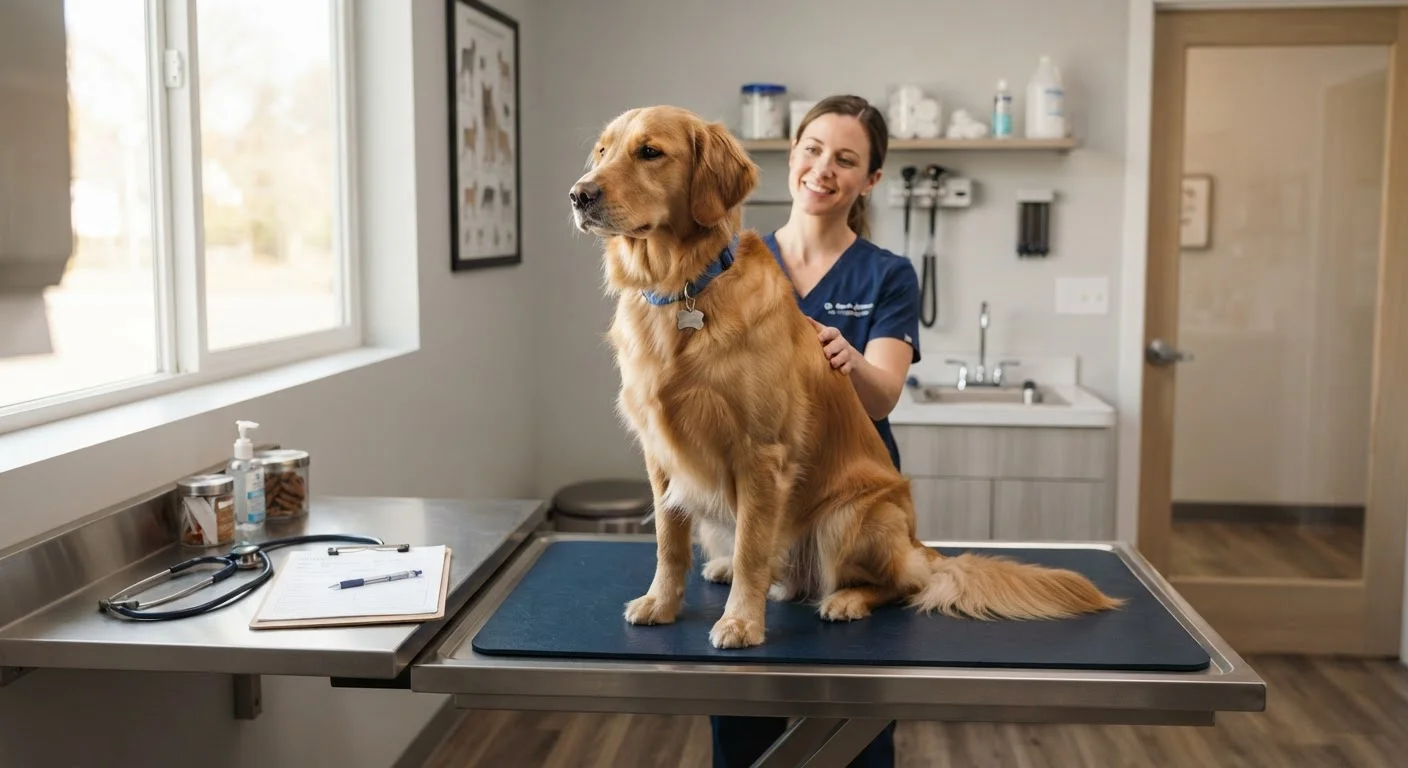
Photo: UltraSearches.com | Search Results You Can Trust editorial
Key Takeaways
- Pet insurance reimburses eligible vet costs after you pay the bill yourself and file a claim.
- Most policies do not cover pre-existing conditions, routine wellness care, or dental cleanings unless you add an optional rider.
- Accident-and-illness plans offer broader coverage than accident-only policies, but come with higher premiums.
- The financial value of pet insurance depends on your pet's breed, age, health history, and your ability to absorb a large unexpected expense.
- Reading the policy's exclusions and reimbursement structure is essential before enrolling.
How Pet Insurance Actually Works
Pet insurance functions differently from most employer-sponsored health insurance Americans are familiar with. There is no network of preferred vets you must use - you can generally visit any licensed veterinarian, specialist, or emergency clinic. After your appointment, you pay the bill directly, then file a claim with your insurer for reimbursement.
Three variables determine how much you get back after a covered claim:
- Deductible: The amount you pay before the insurer contributes anything. This can be annual (resetting each policy year) or per-incident (applied separately to each new condition).
- Reimbursement percentage: The share of covered costs the insurer pays after your deductible - commonly 70%, 80%, or 90%.
- Annual limit: The maximum the insurer will pay in a given policy year. Some policies offer unlimited annual limits; others cap at a set dollar amount.
Understanding how these three levers interact is critical. A policy with a 90% reimbursement rate but a low annual limit may provide less protection in a catastrophic situation than a policy with an 80% rate and an unlimited cap.
Pet Insurance Is Not the Same as Human Health Insurance
Types of Pet Insurance Coverage
Not all pet insurance policies cover the same things. There are three broad categories:
- Accident-only policies
- Cover injuries from accidents - broken bones, lacerations, toxin ingestion - but not illness. These carry the lowest premiums and are sometimes appropriate for younger, healthy pets when budget is a primary constraint.
- Accident-and-illness policies
- The most common type. These cover both injuries and a wide range of illnesses, including infections, cancer, diabetes, and hereditary conditions (depending on the policy). They cost more but offer significantly broader protection.
- Wellness or preventive care riders
- Optional add-ons to accident-and-illness plans that cover routine care such as vaccinations, flea prevention, and annual exams. These are structured more like a benefits package than traditional insurance - you pay in and get a set benefit back - so the financial math is different from risk-based coverage.
Notably, most base policies do not cover dental cleanings or dental disease treatment. Dental disease is one of the most common health problems in adult pets, making it worth asking specifically how a policy treats oral health before enrolling.
The Financial Case For - and Against - Pet Insurance
Pet insurance is a financial product, and like all insurance, it involves a trade-off: paying predictable premiums in exchange for protection against unpredictable large expenses. Whether the math works in your favor depends on several factors.
$1,500-$5,000+
Typical cost of emergency vet surgery
According to the American Veterinary Medical Association, emergency procedures such as foreign body removal, orthopedic repair, or internal diagnostics frequently fall within this range, with complex cases exceeding it.
~4 million
Pets insured in North America
The North American Pet Health Insurance Association (NAPHIA) has reported annual policyholder growth as consumer awareness of veterinary costs rises.
Nearly 90%
Of pet insurance claims are for illness, not accidents
Industry data from NAPHIA indicates illness-related claims consistently outnumber accident claims, underscoring the importance of accident-and-illness coverage over accident-only plans.
Arguments for carrying coverage: Emergency veterinary care has become increasingly sophisticated - and expensive. Surgical procedures, chemotherapy, MRI imaging, and intensive care can run from several thousand to tens of thousands of dollars. For many households, a sudden bill of that magnitude is genuinely disruptive. Insurance converts that risk into a manageable monthly cost.
Arguments against: If your pet stays healthy, your cumulative premium payments may well exceed what you would have received in reimbursements. Some financial planners suggest that pet owners who could absorb a large emergency expense out of pocket might be better served by self-funding - setting aside a dedicated savings reserve rather than paying premiums. For a deeper look at how these two approaches compare, see Pet Insurance vs. a Dedicated Savings Fund: Weighing the Trade-offs.
Breed is a meaningful variable. Some purebred dogs and cats are statistically predisposed to expensive conditions - hip dysplasia, heart disease, certain cancers - making coverage potentially more valuable. Mixed-breed pets often, though not always, carry lower inherited health risks.
Enroll While Your Pet Is Young and Healthy
What to Review Before Choosing a Policy
Pet insurance policies vary considerably. Before enrolling, examine these elements carefully:
- Exclusions list: Pre-existing conditions are almost universally excluded. But policies differ on whether hereditary conditions, congenital issues, or bilateral conditions (like cruciate ligament tears in both knees) are treated as related or separate incidents.
- Waiting periods: Most policies include a waiting period - often a few days for accidents and two to four weeks for illness - during which claims cannot be filed. Some orthopedic conditions may have longer waiting periods.
- Reimbursement basis: Some policies reimburse based on your actual vet bill; others use a set benefit schedule listing maximum payouts per condition. The latter can leave you with significant gaps if your vet's fees exceed the schedule.
- Premium changes over time: Premiums typically increase as your pet ages. Ask how pricing has changed historically for older animals in the plan you're considering.
Regular preventive care - including annual veterinary exams - can help catch developing conditions early, which matters both for your pet's health and for your insurance claims history. The Pet Health hub has additional guidance on keeping pets well between vet visits.
This article provides general information about pet insurance for educational purposes only and is not personalized financial or insurance advice. Coverage terms, exclusions, premiums, and eligibility vary by provider and individual circumstances. Read policy documents carefully and consult a licensed insurance professional before making coverage decisions.
Frequently Asked Questions
The content on this site is for informational purposes only and is not a substitute for professional advice. Always consult a qualified professional for guidance specific to your situation.