
Envelope Budgeting in a Digital World

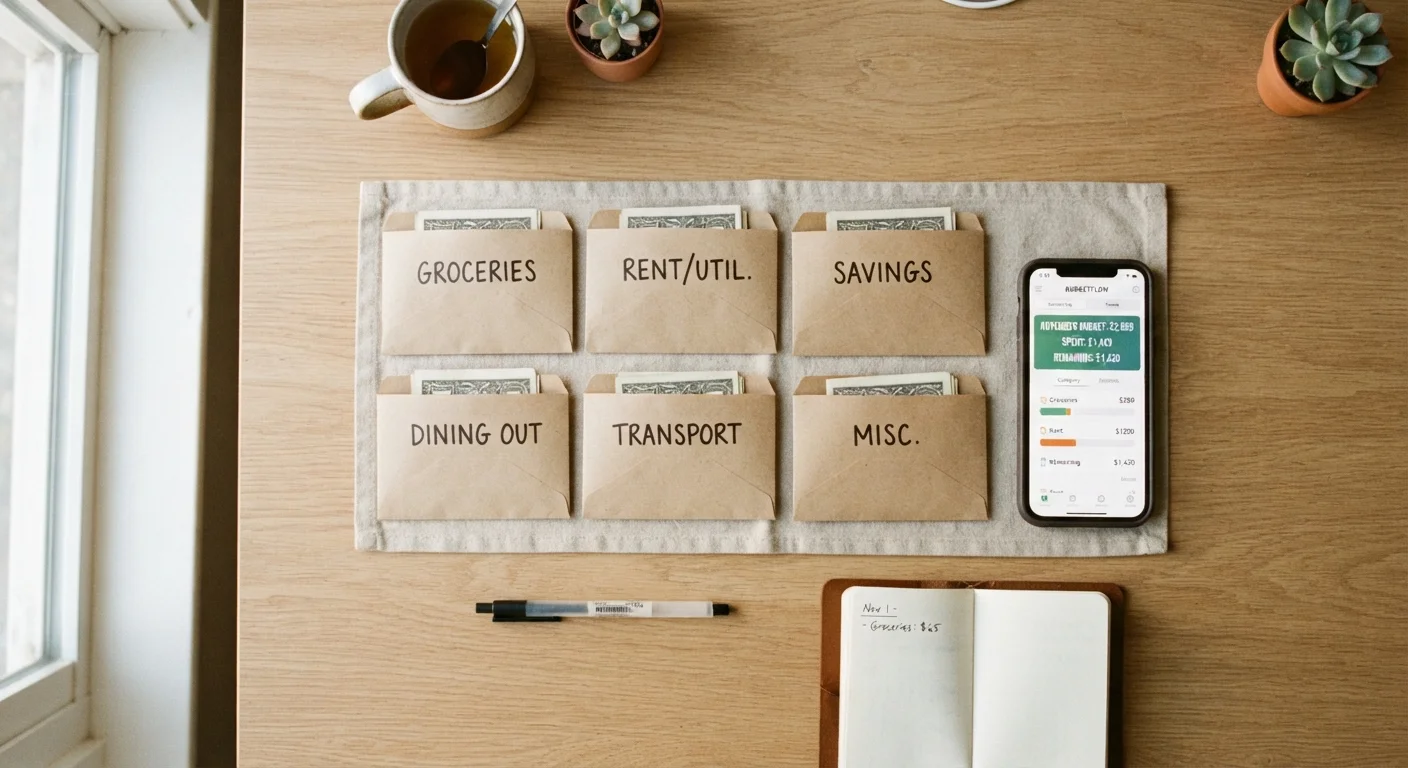
Photo: UltraSearches.com | Search Results You Can Trust editorial
Key Takeaways
- Envelope budgeting assigns each spending category a fixed cash amount at the start of the month.
- When an envelope runs out, you stop spending in that category - the built-in constraint is what makes it effective.
- Digital versions using apps or bank sub-accounts replicate the system without requiring physical cash.
- The method works best for variable, day-to-day expenses rather than fixed bills like rent or utilities.
- Consistency matters more than perfection - small adjustments each month improve accuracy over time.
How the Envelope Method Works
The mechanics are straightforward. At the start of each month - or each pay period - you list every spending category you want to control. Then you assign a dollar amount to each category and, in the traditional version, fill physical envelopes with that exact amount of cash. When you shop for groceries, you pull from the groceries envelope. When you fill up the tank, you reach for the gas envelope.
The discipline comes from the physical limit. You cannot accidentally overspend the grocery envelope because once the cash is gone, it's gone. That friction is intentional - it forces a decision before a purchase rather than after the fact when you're reviewing a bank statement.
Before you set envelope amounts, it helps to understand key terms like discretionary spending and net income. Budgeting vocabulary explained covers the definitions you'll encounter most often.
Start With Just Three to Five Envelopes
Adapting It for a Cashless Lifestyle
Most Americans carry little physical cash, which is why digital adaptations of envelope budgeting have become popular. The two most common approaches are dedicated budgeting apps and separate bank sub-accounts.
Budgeting apps: Several apps replicate envelope logic digitally, letting you create virtual envelopes, link your bank account, and automatically deduct transactions from the correct category. The visual display of remaining balances mirrors what you'd see peeking into a physical envelope.
Bank sub-accounts: Some banks and credit unions allow you to open multiple savings or checking sub-accounts under one login. You transfer your grocery allocation to one account, your dining budget to another, and use a dedicated debit card for each. It's lower-tech than an app but highly concrete.
Whichever format you choose, the key is picking something you'll actually maintain. Spreadsheet vs. budgeting app explores the trade-offs of each tool in more detail.
~33%
Americans who follow a formal household budget
Gallup polling has consistently found that roughly one in three U.S. adults reports maintaining a detailed household budget.
1-3 months
Time to calibrate envelope amounts accurately
Personal finance educators commonly note that most budgeters need one to three months of trial and adjustment before their category allocations closely match actual spending patterns.
Where Envelope Budgeting Fits - and Where It Doesn't
The envelope method is a strong fit for variable, day-to-day spending - the categories where habits and impulse drive most overspending. It's less suited to fixed expenses like rent, loan payments, or utility bills, which don't need a spending constraint because the amount is set by a third party each month. Most envelope budgeters handle fixed bills through automatic payments and focus their envelopes on the discretionary categories that actually fluctuate.
The method also pairs well with other frameworks. If you already use a broad structure like the 50/30/20 rule to decide how much goes to needs versus wants, envelope budgeting can be the tool you use to manage spending within the wants category. Zero-based budgeting vs. the 50/30/20 rule walks through how these frameworks compare if you're weighing your options.
One honest limitation: envelope budgeting takes active management. It's not a set-and-forget system. If that level of involvement feels unsustainable, pairing it with evidence-informed budgeting habits can help you build the consistency the method requires.
This article provides general financial information for educational purposes and is not personalized financial advice. For guidance specific to your situation, consider speaking with a qualified financial professional.
Frequently Asked Questions
The content on this site is for informational purposes only and is not a substitute for professional advice. Always consult a qualified professional for guidance specific to your situation.