
Credit Scores Decoded: What the Number Actually Measures

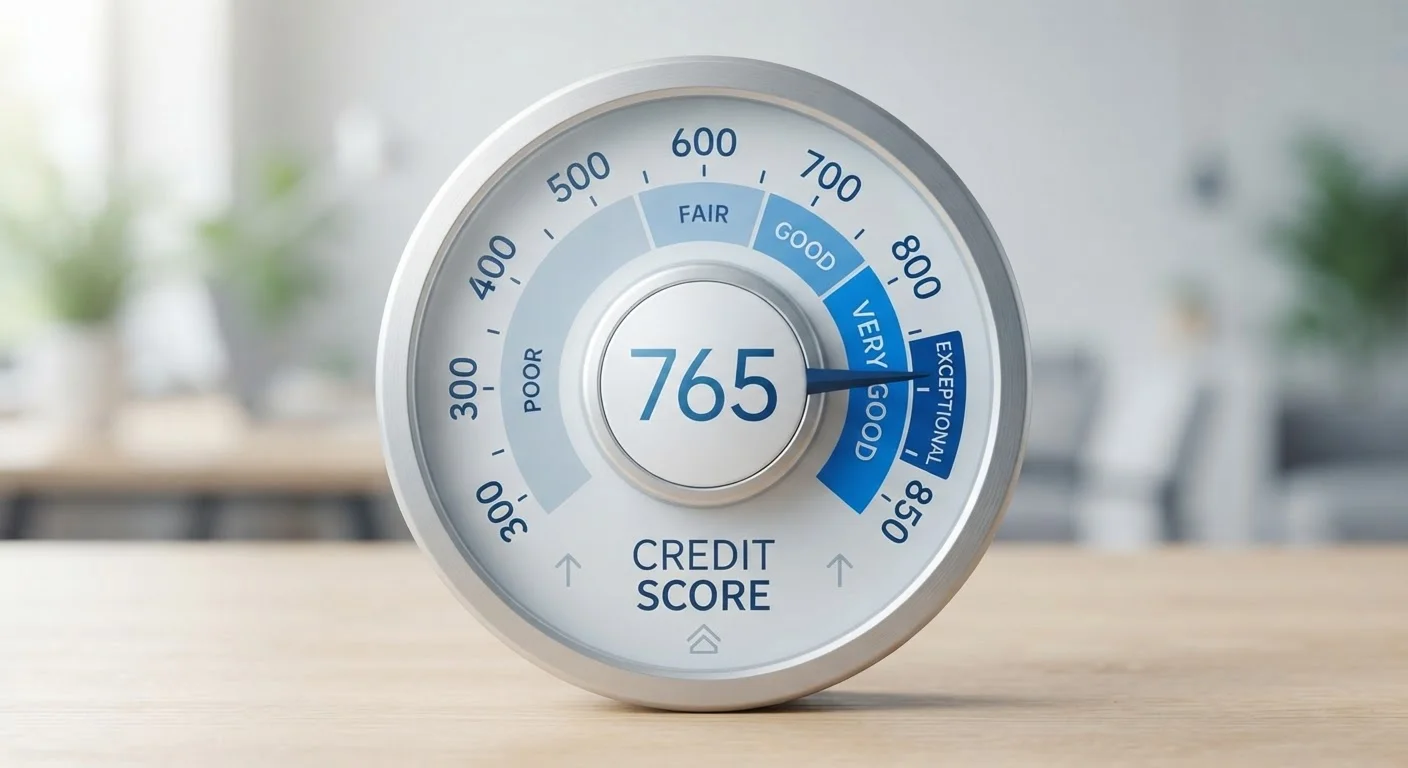
Photo: UltraSearches.com | Search Results You Can Trust editorial
Key Takeaways
- Payment history is the single largest factor, making up about 35% of a FICO Score.
- Credit utilization - how much of your available credit you're using - accounts for roughly 30%.
- A longer credit history generally helps your score, but it's only one of five factors.
- Carrying a balance does not improve your score - on-time payments do.
- Multiple scoring models exist; the score a lender sees may differ slightly from the one you check yourself.
The Five Factors Behind the Number
A credit score isn't a gut feeling or an arbitrary grade - it's a calculated output based on specific data points in your credit report. Under the widely used FICO® model, five factors each carry a defined weight.
- Payment history (35%): Whether you pay bills on time. A single 30-day late payment can cause a significant drop.
- Amounts owed / Credit utilization (30%): How much of your available revolving credit you're currently using. Lower is better. See our guide to credit utilization for a full breakdown.
- Length of credit history (15%): How long your accounts have been open, including the age of your oldest account and the average age of all accounts.
- Credit mix (10%): A combination of revolving accounts (credit cards) and installment loans (auto, mortgage, student) can help, though it's the least impactful factor.
- New credit / inquiries (10%): Opening several new accounts in a short period can signal risk. Hard inquiries vs. soft inquiries explains exactly when a credit check affects your score.
35%
Weight of payment history in FICO Score
According to FICO, payment history is the single largest factor in its scoring model, making consistent on-time payments the highest-leverage habit.
~57%
Americans with a 'good' credit score or higher
Data from Experian's State of Credit reports indicates that a majority of U.S. consumers score 670 or above on the FICO scale, though millions fall below that threshold.
7 years
How long most negative items stay on file
Under the Fair Credit Reporting Act (FCRA), most derogatory marks - including late payments and collections - must be removed after seven years.
What Your Score Actually Signals to a Lender
Lenders use credit scores to make fast, consistent decisions about risk. A higher score signals that, statistically, a borrower is less likely to miss payments. That affects more than just loan approval - it influences the interest rate offered, the credit limit extended, and sometimes even whether a landlord or insurer will work with you at all.
It's important to understand that the score doesn't measure your worth as a person or even your current financial health. Someone who is financially comfortable but has a thin credit file may have a lower score than someone carrying significant debt who has never missed a payment.
“A credit score is simply a snapshot of your credit risk picture at a particular point in time. It's not a judgment of your character - it's a reflection of your credit behaviors.”
— Consumer Financial Protection Bureau, U.S. federal agency for consumer financial protection
For a closer look at the underlying data that generates your score, reading your credit report walks through each section of the document lenders actually review.
Common Misconceptions That Cost People Points
Several persistent myths lead people to take actions that either don't help or actively hurt their scores.
Myth: Carrying a small balance improves your score
This is false. Paying your balance in full each month is better for your score than carrying a balance - and it saves you money in interest. Carrying a balance won't help your credit score covers this misconception in detail.
Myth: Closing old cards tidies up your credit
Closing a long-standing account shortens your average credit history and can increase your utilization ratio - both of which can lower your score. In most cases, leaving an unused card open (assuming no annual fee) is the better move.
Myth: Your income affects your score
Credit scoring models do not factor in your salary, savings, or net worth. Those details may come into play when a lender evaluates your full application, but they don't touch the score itself.
Check Your Credit Report for Free
How Scores Shift Over Time
Credit scores are not static. They respond to your behavior, and that's actually good news - it means a lower score today doesn't define your financial future. Consistent on-time payments, reducing balances, and avoiding unnecessary new accounts all move the needle in the right direction over time.
Life events - taking on a mortgage, going through a divorce, or dealing with a medical financial crisis - can cause significant score swings. Understanding the factors helps you interpret those changes rather than feeling blindsided by them. The lifecycle of a credit score traces how scores typically shift across different life stages.
This article is for general informational and educational purposes only and does not constitute personalized financial or credit advice. For guidance specific to your situation, consult a qualified financial professional.
Frequently Asked Questions
The content on this site is for informational purposes only and is not a substitute for professional advice. Always consult a qualified professional for guidance specific to your situation.