
Habits That Silently Erode a Good Credit Score Over Time

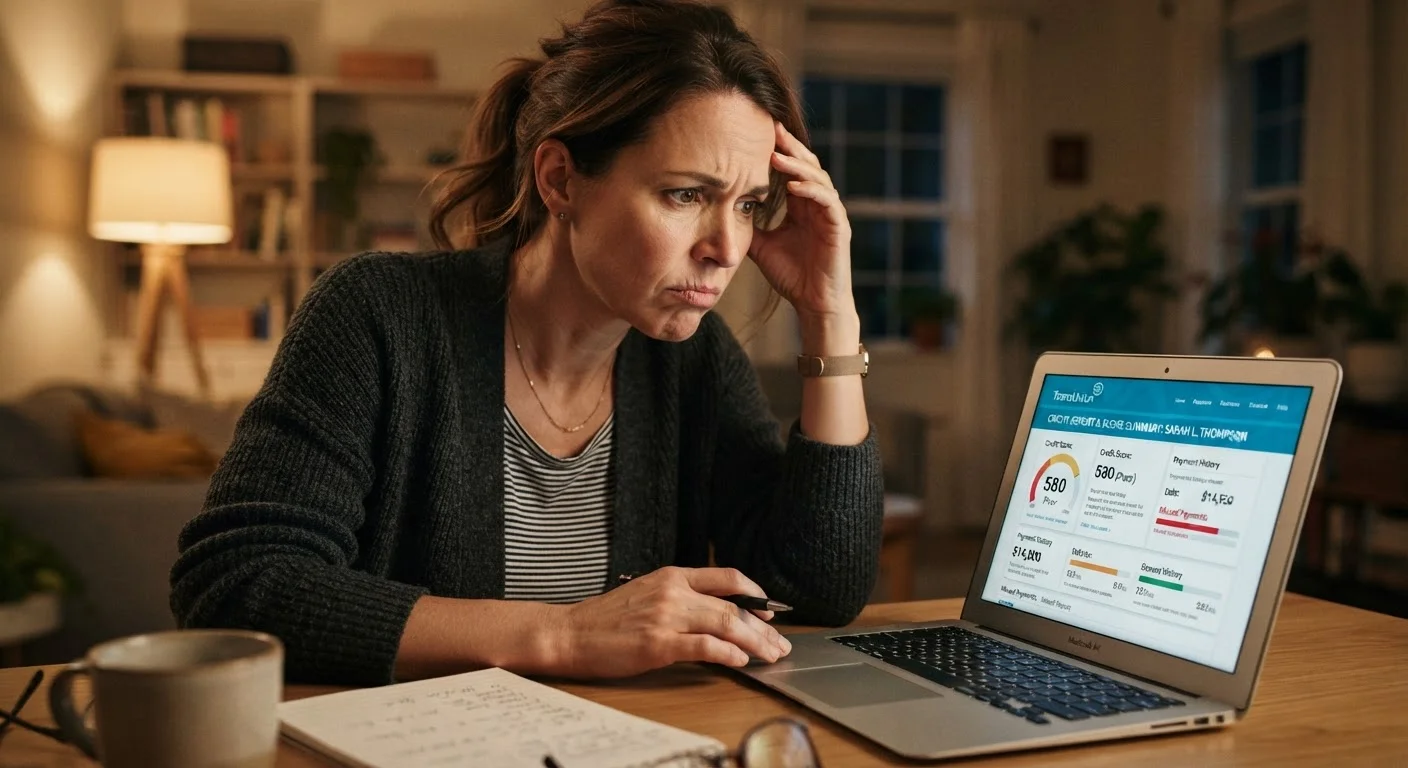
Photo: UltraSearches.com | Search Results You Can Trust editorial
Key Takeaways
- Closing old credit accounts can shorten your credit history and raise your utilization ratio.
- Missing a single payment by 30 days or more can cause a significant score drop.
- Applying for multiple credit products in a short window triggers hard inquiries that add up.
- Keeping credit utilization below 30% - ideally lower - is one of the most effective score protections.
- Errors on your credit report left uncorrected can drag your score without any fault of your own.
Why Credit Scores Decline Without Obvious Cause
A credit score doesn't usually collapse overnight. More often, it erodes gradually - the result of small decisions that seem harmless individually but compound over time. Understanding which behaviors are quietly working against your score is the first step toward protecting it.
Credit scores are calculated using several weighted factors: payment history, amounts owed (including utilization), length of credit history, new credit inquiries, and credit mix. Habits that seem neutral or even prudent - like closing a paid-off card - can affect multiple factors at once. That's what makes these patterns so easy to overlook.
This article is for general informational purposes and does not constitute personalized financial advice. For guidance specific to your situation, consider speaking with a licensed financial counselor.
35%
Share of FICO score tied to payment history
According to FICO, payment history is the single largest factor in a standard FICO credit score calculation.
30%
Recommended maximum credit utilization rate
Credit counselors and bureaus widely cite staying at or below 30% utilization as a general guideline for score health.
7 years
How long a late payment stays on your report
Under the Fair Credit Reporting Act, most negative information, including late payments, can remain on a credit report for up to seven years.
The Mistakes That Quietly Do the Most Damage
The behaviors below don't look reckless on the surface. That's exactly what makes them risky. Each one disrupts a scoring factor in a way that often goes unnoticed until a loan application or rate quote reveals the problem.
Closing old credit card accounts to simplify finances.
Letting credit utilization creep above 30% across accounts.
Applying for several new credit accounts within a short timeframe.
Never checking your credit report for errors.
Only making the minimum payment each month on revolving accounts.
Late Payments Have Lasting Consequences
Payment history and credit utilization together account for roughly 65% of a standard FICO score - meaning the habits tied to those two factors carry disproportionate weight. For a deeper look at how utilization alone affects your score day to day, see our credit utilization explainer.
It's also worth knowing that carrying a balance does not improve your score - a common myth that can lead people to pay unnecessary interest under the mistaken belief it helps their credit.
Building Habits That Protect What You've Earned
Avoiding these mistakes isn't about perfection - it's about consistency. Automating payments, reviewing your credit report at least annually, and being deliberate about when and why you apply for new credit are all low-effort, high-impact habits.
Don't Close Old Cards Without Thinking First
If you're working on broader financial stability alongside your credit health, our guide to budgeting habits that hold up over time covers the longer-term behavioral patterns that support both. And if a late payment has already hit your report, our breakdown of what happens when you pay a bill late explains your realistic options for limiting the damage.
Credit scores shift throughout life - often in response to events we don't always anticipate. Understanding how a credit score typically evolves over decades can help you set realistic expectations and make decisions that hold up long-term.
This article is for general informational purposes only and does not constitute personalized financial or credit advice. Consult a licensed financial professional for guidance tailored to your individual circumstances.
The content on this site is for informational purposes only and is not a substitute for professional advice. Always consult a qualified professional for guidance specific to your situation.