
Annual Vet Visits: What Actually Happens and Why They Matter

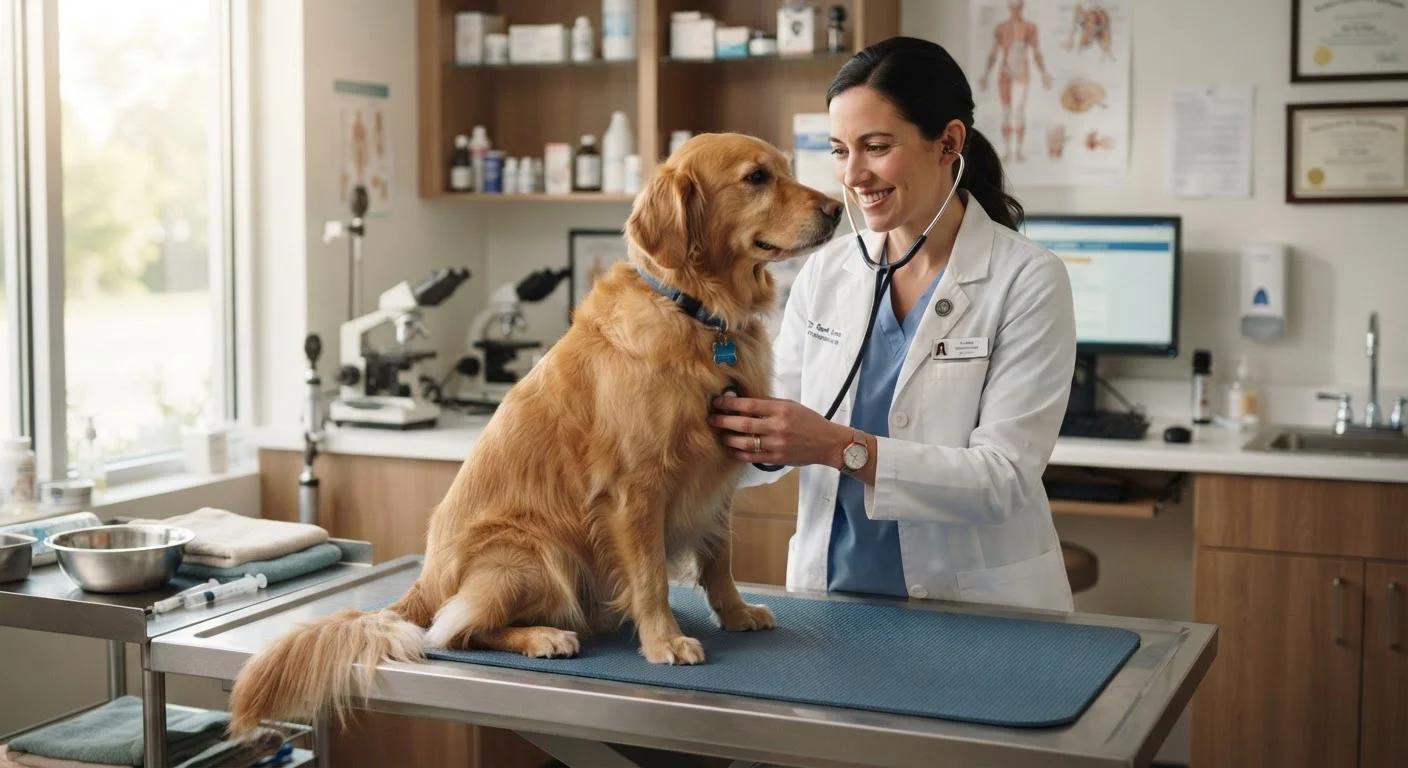
Photo: UltraSearches.com | Search Results You Can Trust editorial
Key Takeaways
- Annual vet visits include a full physical exam, not just vaccinations.
- Exam frequency should increase as pets age - seniors often need checkups every six months.
- Vets use wellness exams to detect conditions like dental disease and organ changes early.
- Preparing your pet before the visit can reduce stress for both animal and owner.
- Bloodwork and parasite screenings are often recommended alongside the physical exam.
What Happens During a Routine Wellness Exam
Many pet owners assume an annual vet visit is mainly about vaccines - but the physical exam is the centerpiece. Your veterinarian will methodically evaluate your pet from nose to tail, checking systems that aren't visible to the untrained eye at home.
A typical exam includes:
- Eyes and ears: Checked for signs of infection, discharge, or early cataracts.
- Teeth and gums: Dental disease affects the majority of pets over age three and is one of the most common findings at wellness exams.
- Heart and lungs: The vet listens with a stethoscope for murmurs, irregular rhythms, or abnormal breath sounds.
- Abdomen: Palpation of the abdomen can reveal organ enlargement, masses, or discomfort.
- Skin and coat: Signs of parasites, allergies, lumps, or abnormal hair loss are noted.
- Weight and body condition: Vets use a standardized body condition score to assess whether your pet is at a healthy weight. Being overweight is a significant health risk - see how vets assess body condition and manage pet weight for more detail.
- Lymph nodes and joints: Swollen lymph nodes or joint stiffness can signal inflammation or early disease.
The exam typically takes 20-30 minutes and concludes with a conversation about your pet's diet, lifestyle, behavior, and any changes you've observed at home.
Make the Most of Your Appointment Time
How Exam Frequency Changes With Age
A one-size-fits-all schedule doesn't serve every pet equally. Veterinarians generally recommend adjusting visit frequency based on life stage:
- Puppies and kittens (0-1 year): Visits every 3-4 weeks during the first few months to complete vaccination series, discuss socialization, and monitor growth. See the first-90-days health checklist for a practical roadmap.
- Adult pets (1-7 years for dogs, 1-10 years for cats): Annual exams are standard for healthy adults with no chronic conditions.
- Senior and geriatric pets: Biannual visits allow vets to monitor organ function, pain levels, and cognitive health more closely during the years when change happens fastest.
If your pet has a chronic condition such as diabetes, heart disease, or allergies, your vet may recommend more frequent checkups regardless of age.
~80%
Pets with dental disease by age 3
The American Veterinary Dental College estimates that most dogs and cats show signs of periodontal disease by age three, making dental assessment a critical part of every wellness exam.
2x/year
Recommended exam frequency for senior pets
Many veterinary organizations recommend that dogs and cats in their senior years be examined every six months rather than annually, due to the faster pace of age-related health change.
1 in 3
Pets estimated to be overweight or obese
The Association for Pet Obesity Prevention has found that a large proportion of American dogs and cats are above a healthy weight, a condition typically identified and addressed during routine wellness visits.
Vaccines, Parasite Prevention, and Lab Work
Wellness exams are often the occasion for updating preventive care - but vaccines and tests are decisions made individually, not automatically applied at every visit. Your vet will review what's due based on your pet's age, vaccination history, lifestyle, and regional disease risks.
Core versus non-core vaccines differ meaningfully: core vaccines protect against diseases that pose a serious risk to all pets, while non-core vaccines depend on factors like where you live and how much outdoor exposure your pet has.
Parasite screenings - including fecal exams for intestinal parasites and heartworm tests for dogs - are commonly recommended annually. Bloodwork is especially valuable for senior pets, establishing baselines for kidney function, thyroid levels, and blood cell counts that make future changes easier to detect.
Vaccines Are Not Automatic at Every Visit
How to Prepare Your Pet (and Yourself) for the Visit
A little preparation makes the experience less stressful for your pet and more productive for you. Here are practical steps to take before the appointment:
- Carrier acclimation for cats: Leave the carrier out at home with a familiar blanket inside so your cat associates it with safety, not just vet trips.
- Skip the big meal: If bloodwork is planned, your vet may ask you to withhold food for several hours beforehand - confirm this when booking.
- Collect a stool sample: Many clinics request a small, fresh sample to test for intestinal parasites. Ask when scheduling.
- Write down your observations: Note any changes in appetite, water intake, energy, bathroom habits, or behavior. These details are clinically useful and easy to forget in the moment.
- Bring documentation: Previous vaccine records matter, especially at a new clinic.
If you're a first-time owner, the new pet owner checklist covers what to set up before and after your first vet visit. And for a deeper look at why routine exams matter even when your pet appears perfectly healthy, this overview of preventive veterinary care explains the reasoning behind the recommendation.
This article is for general informational purposes only and is not a substitute for professional veterinary advice. Always consult a licensed veterinarian for guidance specific to your pet's health needs.
Frequently Asked Questions
The content on this site is for informational purposes only and is not a substitute for professional advice. Always consult a qualified professional for guidance specific to your situation.