
Pet Ownership and Liability: What Happens If Your Animal Harms Someone

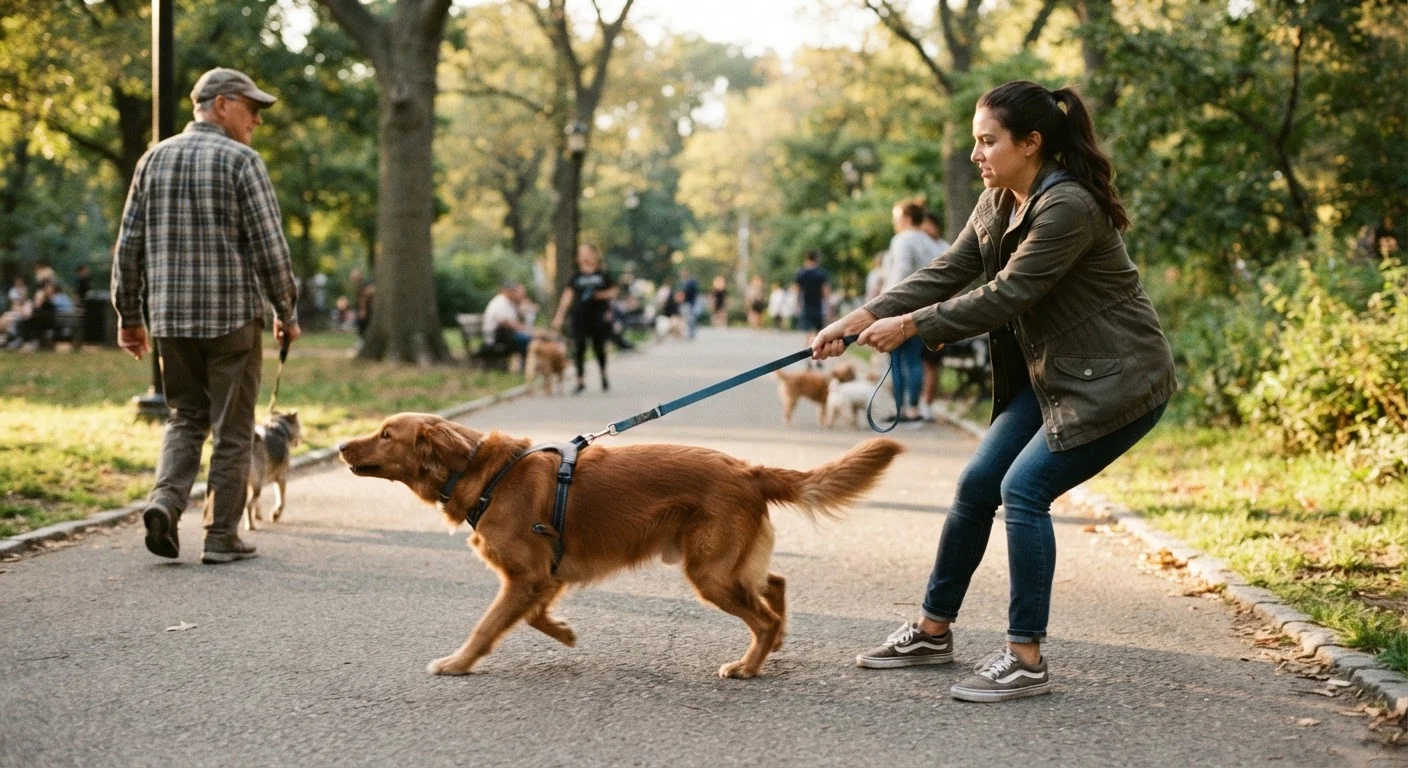
Photo: UltraSearches.com | Search Results You Can Trust editorial
The Legal Basics: Owner Responsibility in the U.S.
When a pet injures a person or another animal, the question of legal responsibility almost always lands on the owner. U.S. liability law for pet-related incidents varies by state, but two broad frameworks govern most cases.
Strict liability laws - adopted by the majority of states - hold owners legally responsible for injuries caused by their animals regardless of whether the owner knew the animal was dangerous. There is no requirement for the injured party to prove prior aggressive behavior. Negligence-based states, by contrast, generally require the injured party to show the owner failed to exercise reasonable care, such as allowing a dog to roam without a leash in a public area.
A smaller number of states apply the "one bite rule" - a doctrine holding that owners may not be liable for a first injury if they had no prior warning of the animal's dangerousness. However, even in one-bite states, negligence claims can still apply. Understanding which framework governs your state matters, and consulting a licensed attorney for your specific situation is always advisable.
| States with strict liability | Majority of U.S. states (American Veterinary Medical Association (AVMA)) |
| Primary legal frameworks | Strict liability, negligence, one-bite rule |
| Most common incident type | Dog bites (approx. 4.5 million per year in the U.S.) (CDC, general estimate) |
| Common insurance coverage | Homeowners/renters liability - varies by policy |
| Animals covered | Dogs, cats, livestock, and other owned animals |
What Counts as a Covered Incident
Pet liability is not limited to dog bites. Courts and insurers have addressed a wide range of incidents, including:
- A dog knocking over and injuring a pedestrian or child
- A cat scratching a visitor who required medical treatment
- A pet attacking another person's dog or cat
- Livestock escaping a property and causing a vehicle accident
The injured party may seek compensation for medical expenses, lost wages, pain and suffering, and - in cases involving another pet's death - veterinary bills or the animal's market value. The financial exposure for owners can be significant, particularly when serious injuries are involved.
For owners of large or powerful breeds, the stakes are even higher. See our guide to owning large or powerful dog breeds for a deeper look at the specific legal and training duties those owners carry.
Strict liability
A legal standard that holds a pet owner responsible for injuries caused by their animal regardless of whether the owner was aware of any prior dangerous behavior.
One bite rule
A legal doctrine in some states that limits owner liability for a first injury if the owner had no previous knowledge that the animal was dangerous. It does not necessarily grant a free "first bite."
Negligence
A legal standard requiring the injured party to show the owner failed to exercise reasonable care - for example, allowing a dog to run unleashed in a public area.
Assumption of risk
A legal defense asserting that the injured party voluntarily accepted a known risk, such as working professionally with animals.
Personal liability coverage
A component of homeowners or renters insurance that may cover legal and medical costs if the policyholder is found responsible for a third party's injury or property damage.
How Insurance and Defenses Factor In
Homeowners and renters insurance policies often include personal liability coverage that extends to pet-related incidents - but not always. Many insurers exclude certain breeds or cap coverage amounts, and some policies exclude pet injuries entirely. Renters with pets should review their policy language carefully; our overview of renting with pets covers how landlord policies and insurance can intersect.
Standalone pet liability insurance is available for owners whose standard policies don't provide coverage, though policy terms vary widely. This is general information - speak with a licensed insurance agent to understand what your specific policy covers.
Common legal defenses owners may raise include:
- Provocation - the injured party provoked the animal
- Trespassing - the injured party was unlawfully on the owner's property
- Assumption of risk - the injured party knowingly accepted the risk (e.g., a dog groomer)
These defenses are fact-specific and do not guarantee a favorable outcome. Being a responsible pet owner - through training, containment, and local law compliance - remains the most practical way to prevent incidents from occurring in the first place.
Breed Restrictions in Insurance Policies
Practical Steps Every Pet Owner Should Take
Proactive management reduces both risk and liability exposure. Owners should:
- Follow local leash laws and licensing requirements. Non-compliance can eliminate legal defenses and increase liability. Our explainer on dog licensing and leash laws outlines what most U.S. municipalities require.
- Invest in training and socialization - especially for breeds with higher physical impact potential.
- Maintain secure fencing and containment on your property.
- Review your insurance coverage annually to confirm pet-related liability is included and sufficient.
- Know your animal's history. If a pet has shown prior aggression, take documented steps to address it and notify relevant parties where legally required.
Responsible ownership extends well beyond daily care routines. For a full view of what ethical ownership looks like across a pet's life, see our complete guide to responsible pet ownership.
This article is for general informational and educational purposes only and does not constitute legal, insurance, or financial advice. Laws vary significantly by state and locality. Consult a licensed attorney in your jurisdiction for guidance specific to your situation.
The content on this site is for informational purposes only and is not a substitute for professional advice. Always consult a qualified professional for guidance specific to your situation.