
The Responsibilities That Come With Owning a Large or Powerful Dog Breed

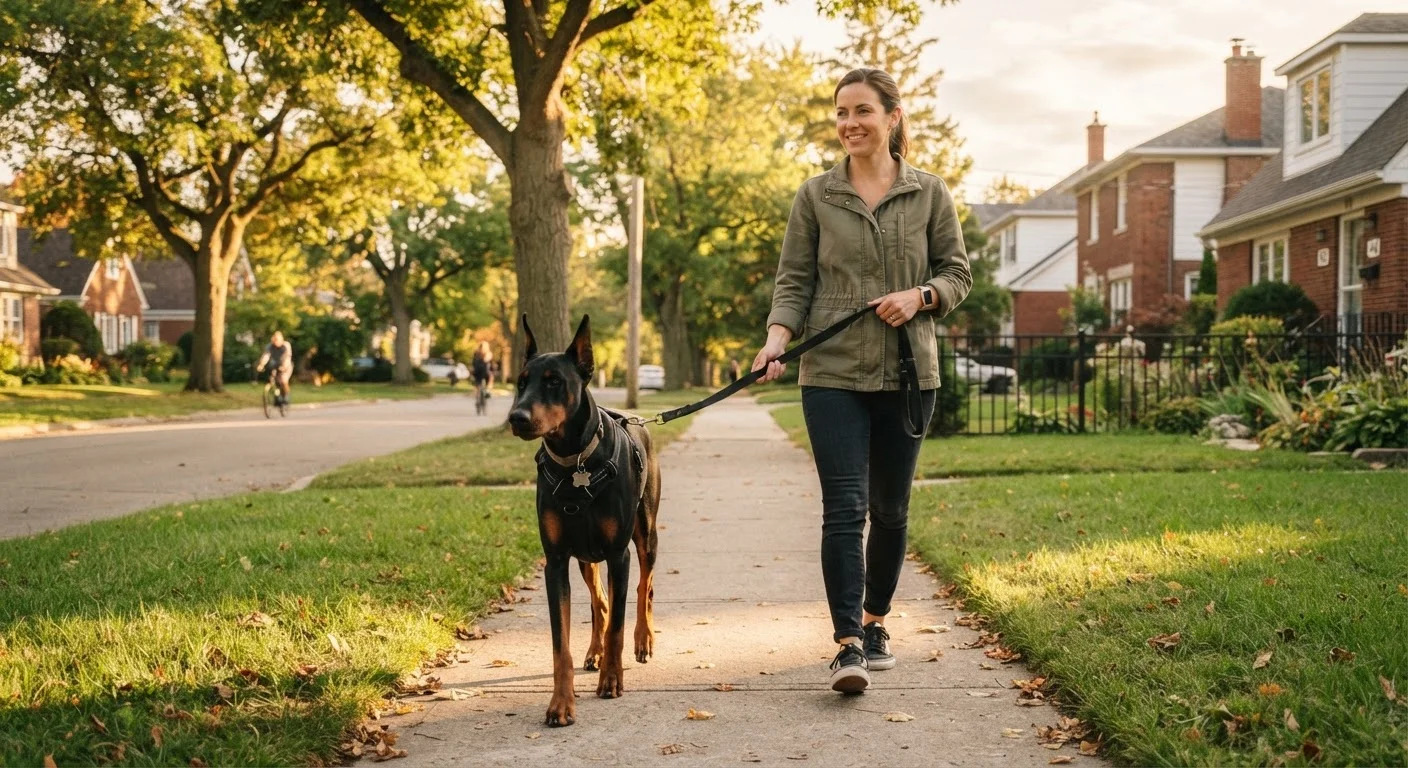
Photo: UltraSearches.com | Search Results You Can Trust editorial
Key Takeaways
- Large and powerful breeds require consistent, structured obedience training starting in puppyhood.
- Secure containment - proper fencing, leashes, and management - is a non-negotiable owner responsibility.
- Socialization during early development critically shapes long-term behavior in powerful breeds.
- Owners may face legal liability if their dog injures a person or another animal.
- Physical strength and breed traits must be matched with an owner's experience and lifestyle.
Why Large and Powerful Breeds Demand More From Their Owners
Owning a Great Dane, Rottweiler, Mastiff, German Shepherd, or similar breed is genuinely rewarding - but the stakes are higher than with smaller dogs. These animals can unintentionally knock over children, pull adults off their feet, or cause serious injury if startled or untrained. Their size and strength amplify every behavioral gap, making responsible ownership not just ethical but practically urgent.
The good news is that most large breeds are also highly trainable, loyal, and deeply social when raised with structure. The challenges are real, but they are manageable with the right approach. Understanding what ownership actually requires - before bringing one of these dogs home - is where responsible stewardship begins. For a broader look at what ethical ownership involves at every stage, see our complete guide to responsible pet ownership across an animal's lifetime.
Best Practices for Owning a Large or Powerful Dog
The following practices reflect what experienced owners, trainers, and veterinarians generally recommend for managing powerful breeds safely and humanely.
Begin obedience training in puppyhood and maintain it consistently throughout the dog's life.
Prioritize socialization during the critical developmental window - typically 3 to 14 weeks - and continue it beyond puppyhood.
Install and maintain secure, appropriate containment at home.
Use equipment appropriate for the dog's size and strength - and learn how to use it correctly.
Match the dog's exercise and mental stimulation needs to a realistic daily schedule.
Legal and Community Responsibilities
Owning a powerful dog breed isn't just a personal matter - it has real community and legal dimensions. In most U.S. states, dog owners are held legally responsible if their animal injures a person or another pet. This applies regardless of whether the dog has shown aggression before, depending on state law. Learn how pet ownership liability generally works to understand your exposure before an incident occurs.
Homeowner's Insurance and Large Breeds
Some municipalities have breed-specific legislation (BSL) targeting certain breeds - including restrictions on ownership, mandatory muzzling in public, or outright bans. These laws vary widely by city and county, so check local ordinances before adopting. Responsible ownership means operating within the law and advocating for your dog's safe behavior in public spaces.
Community trust matters, too. A well-managed large dog helps normalize responsible ownership of powerful breeds; an uncontrolled one reinforces fear and policy restrictions that affect all owners. Your dog's public behavior is, in part, a reflection of your stewardship.
Where to Start: Quick Actions for New and Prospective Owners
For a grounded overview of what responsible pet ownership looks like beyond the basics, our article on what it actually means to be a responsible pet owner covers training, socialization, and community impact in accessible terms.
This article is for general informational purposes only and does not constitute professional veterinary, legal, or behavioral advice. Consult a qualified veterinarian or certified dog trainer for guidance specific to your dog's needs and circumstances.
The content on this site is for informational purposes only and is not a substitute for professional advice. Always consult a qualified professional for guidance specific to your situation.