
Makeup Removal: What Happens to Skin When You Skip It

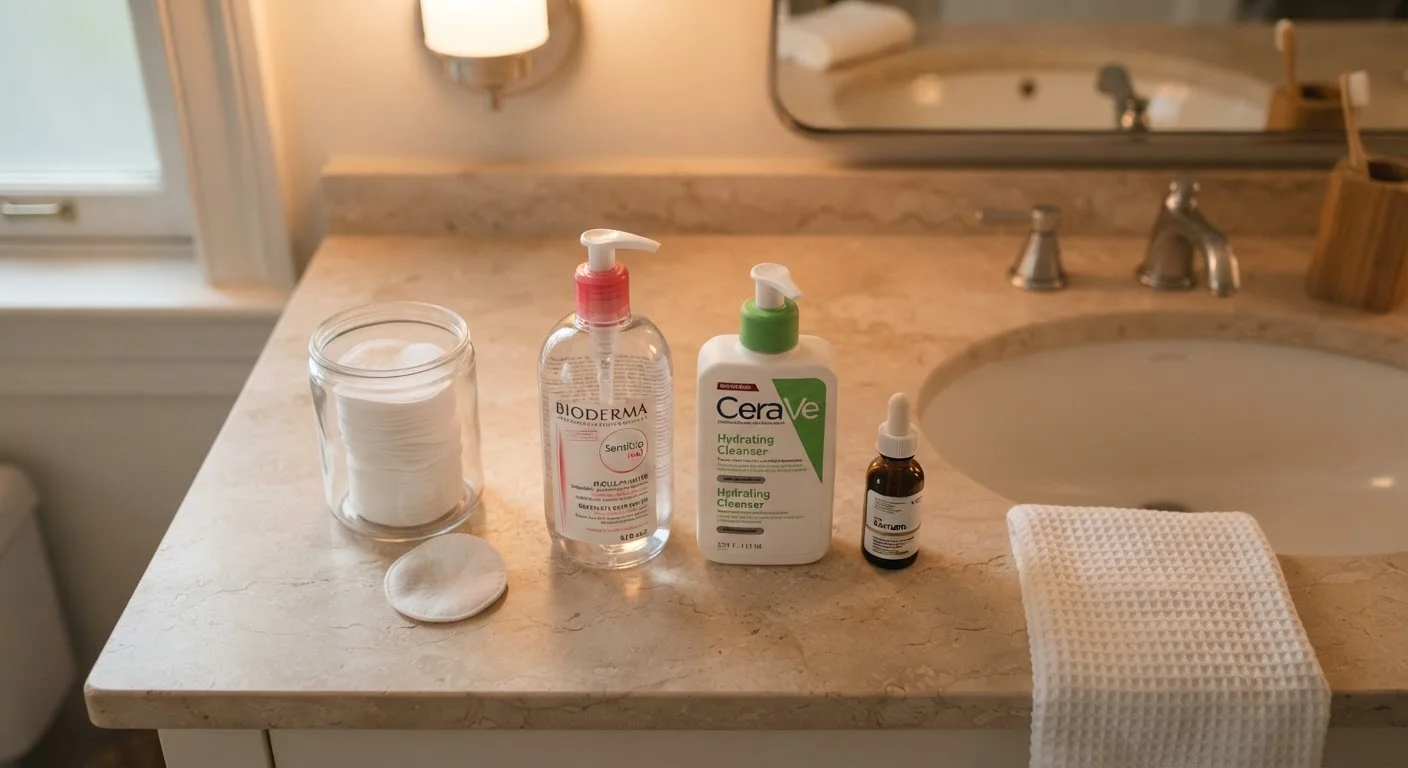
Photo: UltraSearches.com | Search Results You Can Trust editorial
Key Takeaways
- Sleeping in makeup blocks pores and accelerates the visible signs of skin aging over time.
- Foundations and eye makeup in particular can cause inflammation, breakouts, and irritation if left on overnight.
- A two-step cleanse - an oil or micellar step followed by a gentle foaming cleanser - is widely considered effective for most skin types.
- Even on low-energy nights, a quick thorough cleanse is far better for skin than skipping it entirely.
- Makeup removal is a foundational step in any skincare routine, not an optional extra.
Why Skipping Makeup Removal Is a Bigger Deal Than It Feels
We've all been there - it's late, you're exhausted, and the idea of standing at the sink feels impossible. But what's actually happening to your skin during those eight hours you sleep in your makeup is worth understanding.
Throughout the day, the face accumulates more than just foundation and mascara. It picks up free radicals from air pollution, UV exposure, and environmental toxins - all of which attach to makeup and sit on the skin's surface. Without cleansing, those oxidative stressors stay in contact with your skin all night, a time when the skin's natural repair cycle is most active. Some dermatology researchers describe this as essentially accelerating the skin's aging process, though the full picture depends on the individual's skin type, the products worn, and how regularly the habit occurs.
This is fundamentally different from skipping a fun extra step. Makeup removal is the foundation of an evening routine - as explained in our everyday skincare routine guide, cleansing is step one for a reason.
Skin Repairs Itself While You Sleep
What Different Types of Makeup Do to Skin Overnight
Not all makeup sits on the skin the same way, and its overnight effects vary accordingly.
- Foundation and concealer are often oil- or silicone-based, meaning they can trap sebum and bacteria inside pores. This sets the stage for blackheads and inflammatory breakouts, particularly along the T-zone and chin.
- Mascara and eye makeup dry out overnight, stiffening lash fibers and making them fragile. Eye makeup residue can also migrate into the eyes during sleep, leading to irritation or redness in the morning.
- Lip products are generally lower risk overnight but can cause dryness and chapping as they break down.
- SPF and primer layers - even when worn without visible color makeup - should still be removed. These products are film-forming by design, which means they don't simply absorb into skin.
The recurring pattern across all these categories: the longer product sits on the skin without removal, the more opportunity for pore congestion and irritation to develop. For anyone already dealing with sensitive or acne-prone skin, this matters even more.
How to Actually Remove Makeup Properly
The good news is that effective makeup removal doesn't require a lengthy routine or expensive tools. A consistent, gentle approach works for the vast majority of skin types.
The Double-Cleanse Method
Dermatologists frequently recommend a two-step cleanse in the evening. The first step uses an oil-based cleanser, cleansing balm, or micellar water to break down and lift away makeup, sunscreen, and surface-level impurities. The second step uses a gentle, water-based cleanser suited to your skin type to thoroughly clean the skin without stripping it.
This is the same principle behind why makeup wipes alone often fall short - they move product around the surface but rarely fully cleanse pores. A wipe can be a helpful first pass, but it works best when followed by an actual cleanser.
Low-Energy Night? Keep It Simple
Eye Makeup Removal
The skin around the eyes is the thinnest on the face and deserves extra care. Soaking a cotton pad with an oil-based or dedicated eye-makeup remover and holding it gently against closed eyes for a few seconds before wiping reduces the need to scrub - which can contribute to fine lines over time.
Consistency matters more than perfection here. A quick reality check on skincare myths confirms what dermatologists consistently emphasize: building simple, repeatable habits beats complicated routines you only do occasionally.
The Downstream Effects on Your Skincare Routine
There's a practical reason beyond skin health to remove makeup thoroughly: your other skincare products simply work better on clean skin. Serums, moisturizers, and treatments are designed to interact directly with the skin's surface. When makeup residue is present, it creates a physical barrier that can reduce how effectively those products absorb.
This is part of why skincare products sometimes seem to stop working - product application habits, including cleansing quality, play a bigger role in results than many people realize. And if your skincare overlaps with grooming habits, cleansing is equally central to a grooming routine as it is to a beauty regimen.
This article is for general informational and educational purposes only. It is not a substitute for professional dermatological or medical advice. If you have concerns about your skin health, please consult a qualified healthcare provider.
Frequently Asked Questions
The content on this site is for informational purposes only and is not a substitute for professional advice. Always consult a qualified professional for guidance specific to your situation.