
Skincare Myths That Refuse to Die - and What the Evidence Actually Says

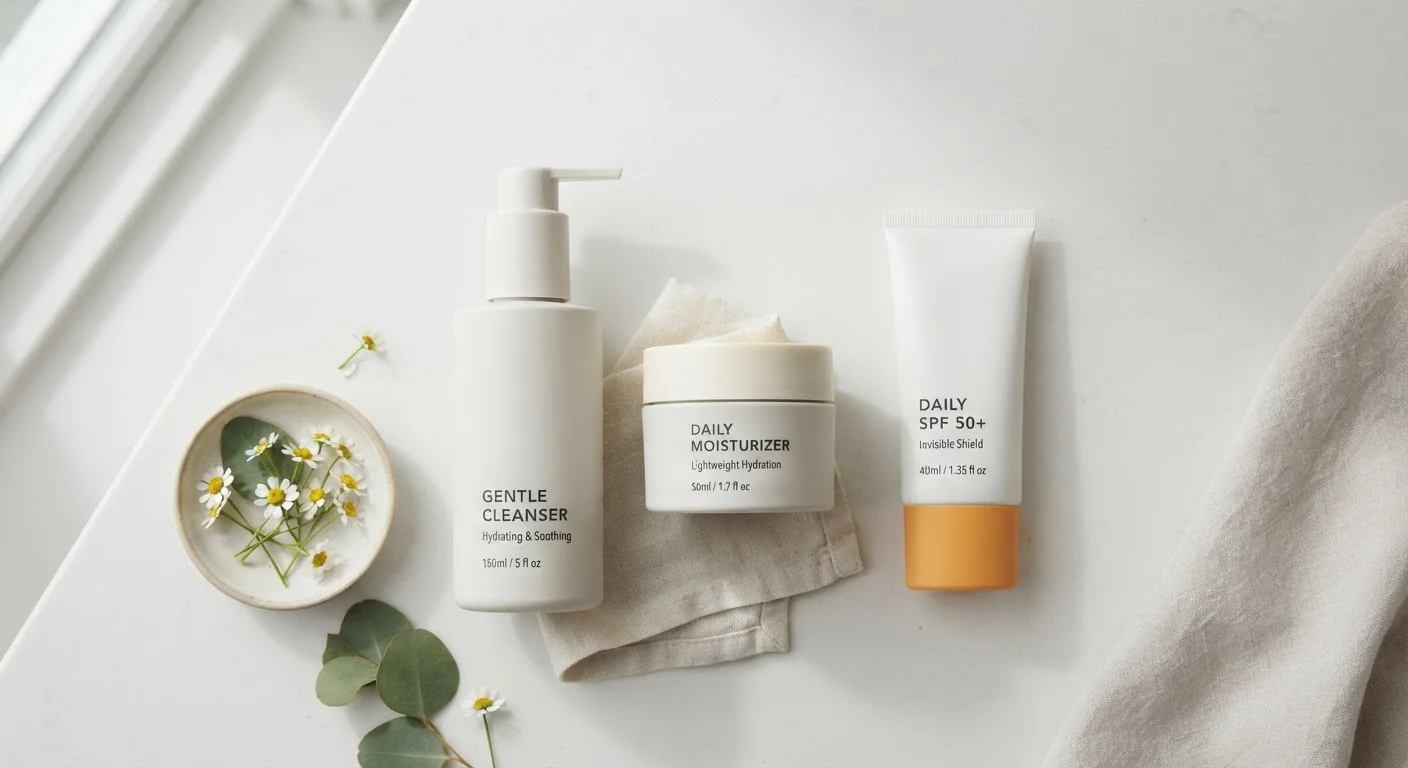
Photo: UltraSearches.com | Search Results You Can Trust editorial
Key Takeaways
- Pores cannot physically open or close - temperature only affects the appearance of skin temporarily.
- Drinking more water is healthy, but it won't directly clear acne or eliminate fine lines.
- Natural or organic ingredients are not automatically gentler or safer than synthetic ones.
- SPF in makeup rarely provides adequate sun protection on its own - a dedicated sunscreen matters.
- Oily skin still needs moisturizer; skipping it can actually signal skin to produce more oil.
Why Skincare Myths Are So Hard to Shake
Skincare advice spreads fast - across social feeds, comment sections, and well-meaning family members alike. The trouble is that not all of it is grounded in evidence. Some myths persist because they contain a kernel of truth twisted out of context. Others stick around simply because they feel intuitive. Either way, acting on faulty information can lead to wasted money, unnecessary frustration, or even skin irritation.
This article breaks down some of the most stubborn skincare misconceptions and looks at what dermatology and skin biology research actually support. (As always, for personal skin concerns or conditions, a board-certified dermatologist is your best resource.)
Myth
You can shrink your pores with cold water or a pore-minimizing toner.
Fact
Pores are anatomical structures - they don't have muscles and cannot open or close.
Pore size is largely determined by genetics and skin type. What cold water or astringent toners can do is temporarily reduce the appearance of pores by causing mild skin contraction or by removing surface oil that makes pores look larger. Long-term, keeping pores clear of debris with gentle cleansing and appropriate exfoliation has a more meaningful effect on how visible they look. No topical product can permanently alter pore size. You can read more about personal grooming basics for related guidance.
Myth
Drinking more water will clear your skin and eliminate fine lines.
Fact
Hydration supports overall health, but it doesn't directly resolve acne or reverse signs of aging.
Staying well-hydrated is genuinely good for your body - but the skin's hydration level is primarily managed by its outermost barrier layer, not by how much water you drink. Severely dehydrated individuals may see improved skin texture when they rehydrate, but for someone already drinking adequate amounts, adding more water won't produce dramatic skin changes. Topical humectants like hyaluronic acid and occlusives like ceramide-containing moisturizers are far more direct tools for surface-level hydration.
Myth
Natural and organic ingredients are always gentler and safer than synthetic ones.
Fact
The source of an ingredient - natural or synthetic - does not determine how safe or effective it is for skin.
Poison ivy is natural. So is poison oak. Meanwhile, many well-studied synthetic ingredients, like niacinamide or certain preservatives, have robust safety profiles and are precisely formulated for consistency. Some botanical extracts are among the most common causes of contact dermatitis. When evaluating any skincare product, what matters is the specific ingredient, its concentration, and how your individual skin responds - not whether it came from a lab or a plant.
Myth
The SPF in your foundation or BB cream is enough daily sun protection.
Fact
Makeup with SPF rarely provides the coverage needed to meaningfully protect against UV damage.
SPF ratings are established under test conditions where a specific amount of product is applied per square centimeter of skin. In practice, most people apply far less foundation than that - meaning the real-world protection is a fraction of what's printed on the label. A dedicated sunscreen applied as a distinct step is the standard dermatologists recommend. For a deeper look at why daily sun protection matters so much, see our article on why dermatologists treat sunscreen as non-negotiable.
Myth
Oily skin doesn't need moisturizer - it already has enough oil.
Fact
Oil and moisture are not the same thing; oily skin can be dehydrated and still benefit from a moisturizer.
Sebum (your skin's natural oil) and water-based moisture are different things. Oily skin produces excess sebum, but that doesn't mean the skin barrier is well-hydrated. Skipping moisturizer - especially after a stripping cleanser - can actually trigger the skin to compensate by producing even more oil. Lightweight, non-comedogenic (meaning formulated not to block pores) gel moisturizers work well for oily skin types without adding grease or heaviness.
Myth
You only need sunscreen on sunny days or when you're spending time outdoors.
Fact
UVA rays, which contribute to skin aging and damage, penetrate clouds and glass year-round.
UVB rays - the ones responsible for sunburn - are indeed stronger in summer and at midday. But UVA rays, which penetrate more deeply into the skin and are linked to photoaging and skin damage, are present at relatively consistent levels throughout the year and can pass through window glass. This is why a daily sunscreen habit, regardless of season or whether you're driving to work, is considered a foundational step in skin health by most dermatologists.
What Good Skincare Actually Looks Like
Once you set aside the myths, a solid routine is genuinely simple. Cleansing, moisturizing, and consistent sun protection form the foundation that most dermatologists point to. If you're layering in actives like retinoids or chemical exfoliants, less is often more - and patience matters. Most well-formulated products take weeks to show meaningful results.
More Ingredients Isn't Always Better
If you've ever wondered why a product seems to stop working, skin adaptation and seasonal shifts are often the real explanation. And if you're weighing exfoliation options, understanding how chemical exfoliants differ from physical scrubs can help you choose what's right for your skin type.
Myths don't just live in skincare, either - if you enjoy fact-checking wellness claims, our breakdowns of persistent nutrition myths and fitness misconceptions follow the same evidence-first approach.
This article is for informational purposes only and does not constitute medical or dermatological advice. Consult a qualified healthcare professional for personal skin concerns.
The content on this site is for informational purposes only and is not a substitute for professional advice. Always consult a qualified professional for guidance specific to your situation.