
Layering Clothes That Actually Work Together: A Practical Approach

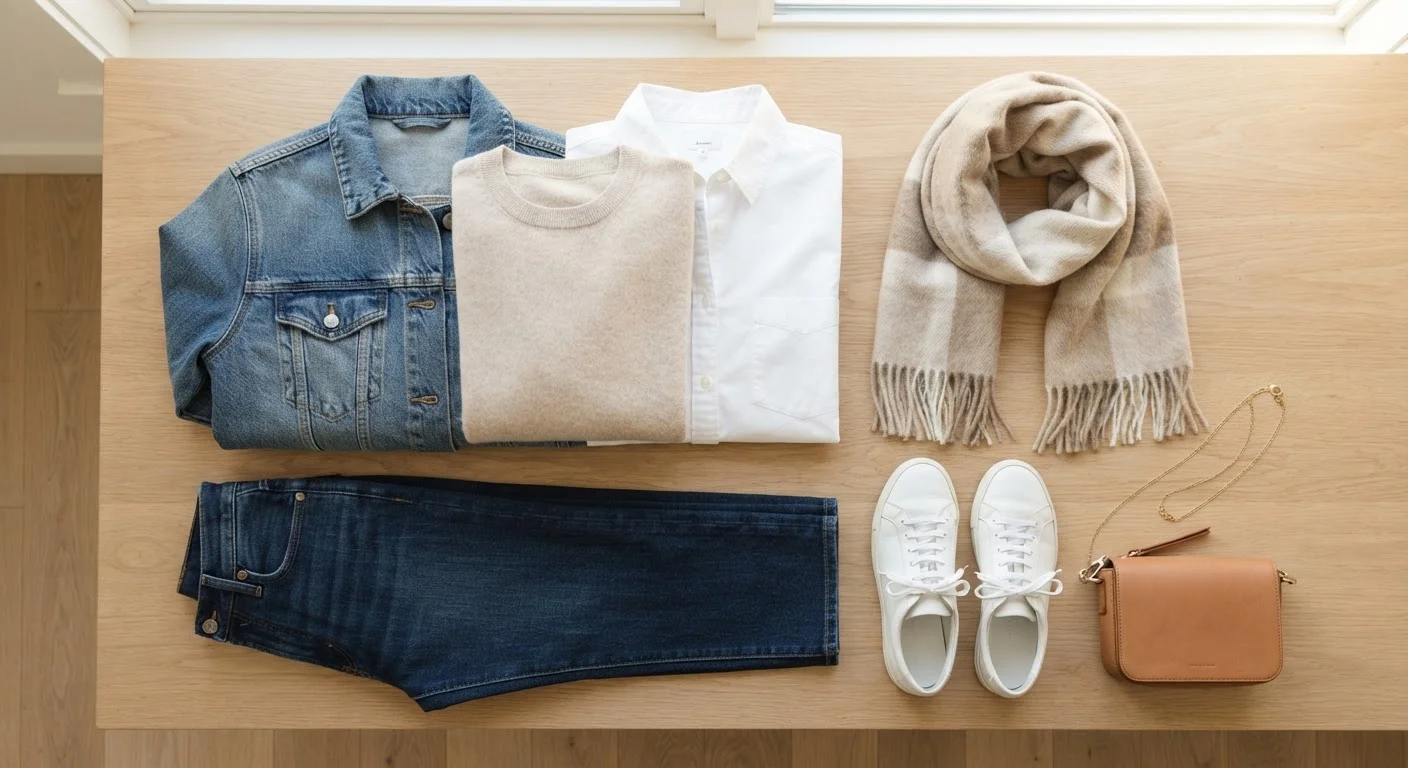
Photo: UltraSearches.com | Search Results You Can Trust editorial
Key Takeaways
- Layering works best when pieces progress from slim-fitting closest to the body to looser fits on the outside.
- Texture variation - mixing knits, wovens, and lightweight fabrics - adds visual interest without adding bulk.
- Color cohesion matters more than matching; stick to a consistent palette rather than identical shades.
- Proportion and fit at each layer prevent the bundled, shapeless look most people want to avoid.
- Most effective layered outfits use no more than three distinct layers for everyday wear.
Why Most Layering Goes Wrong
Layering is one of those techniques that looks effortless on a styled photo and maddeningly difficult in your own closet. The usual culprit isn't a lack of pieces - it's a misunderstanding of what layering actually requires. Most layering attempts go wrong in one of three ways: too much volume at every level, no texture variation between pieces, or a color spread that's too wide to feel cohesive.
The good news is that none of these are wardrobe problems. They're approach problems - and they're fixable. If you're starting to think seriously about how your wardrobe fits together overall, our guide to building a wardrobe from scratch covers the foundational decisions that make layering easier in the first place.
Fit at Every Layer Is Non-Negotiable
Effective layering is also about understanding what's appropriate for your actual daily context - not what looks good in editorial images. As we explore in dressing for your real life, the most stylish outfit is one you'll actually wear and move in comfortably.
What You'll Need Before You Start
You don't need a new wardrobe to layer well - you need to understand what you already have. Before working through the steps below, take stock of your current pieces by category: base layers, mid-layers, and potential outer layers. Note their textures, colors, and relative fits.
What you will need
Fitted base layer (tee, tank, or long-sleeve)
Acts as the foundation of the layered outfit; should sit close to the body without being uncomfortably tight.
Mid-layer (lightweight knit, cardigan, or overshirt)
Adds warmth and visual depth while bridging the base layer and any outer layer.
Outer layer (jacket, blazer, coat, or structured shirt worn open)
Provides the outermost silhouette and anchors the overall look.
Full-length mirror
Essential for checking proportion and silhouette across all layers before committing to the outfit.
If your wardrobe feels thin on mid-layers or outer options, our seasonal wardrobe transition guide offers practical strategies for working with what you already own before adding anything new.
Building the Layered Outfit Step by Step
Start with a slim, well-fitted base layer
Your base layer sets the structural tone for everything above it. Choose something that fits close to the body - a fitted tee, a thin long-sleeve shirt, or a lightweight tank. Avoid anything oversized or heavily textured at this level, as it will add unnecessary volume under subsequent layers.
The base layer is also where you can introduce color or a subtle pattern, knowing it will be partially visible at the neckline, hem, or cuffs - intentional peeks that read as deliberate rather than accidental.
Choose a mid-layer that contrasts in texture
The mid-layer is where most of the visual interest in a layered outfit lives. A lightweight knit, a button-up worn open, a cardigan, or a zip fleece all work well - as long as they contrast in texture with your base layer. If your base is a smooth cotton tee, a ribbed knit cardigan creates depth. If your base is a chambray shirt, a fine-gauge sweater over it reads as intentional layering rather than bundling up.
Proportion matters here: the mid-layer should be slightly looser than the base but not dramatically oversized. Think one comfortable size up in fit, not two.
Add an outer layer only if the proportions allow it
Not every layered look needs a third layer. If your base and mid-layer already feel complete and well-proportioned, adding an outer layer purely for style can tip the outfit from intentional into cluttered. Add the outer layer - a jacket, blazer, structured coat, or open button-down shirt - when it serves a purpose: warmth, structure, or a clear visual anchor.
The outer layer should be the roomiest of the three. It needs to accommodate the layers beneath without pulling across the shoulders or straining at closures.
Check your color palette across all layers
You don't need every layer to match - but they should belong to the same color conversation. A useful rule: no more than one statement color or bold pattern per outfit. The other layers should support it with neutrals or closely related tones. Our color coordination reference guide walks through the underlying logic if you want to go deeper on palette building.
Check how colors read when layers are partially visible - at the collar, the hem, or at an open jacket's lapel. These visible edges act like color accents and should feel cohesive, not jarring.
Assess the full silhouette in a mirror
Step back and look at the outfit as a whole, not piece by piece. Ask: Does the silhouette have a clear shape? Is any single layer overwhelming the others? Does it look like the layers were chosen together, or assembled separately? You're looking for visual flow - each layer should transition logically into the next rather than compete for attention.
If something reads as bulky or off, the fix is usually one of three things: swap the mid-layer for something with less volume, change the hem length relationship between layers, or remove the outer layer entirely.
Use Neutrals as Your Layering Foundation
Avoid Layering Fabrics That Fight Each Other
Making Layering Work Year-Round
Layering isn't just a cold-weather strategy. In warmer months, the same principles apply - you simply work with lighter fabrics. A linen overshirt over a fitted tank, or a lightweight denim jacket over a breathable tee, follows the exact same structural logic as a heavier winter combination.
The key shift in warmer weather is fabric breathability: prioritize natural fibers like cotton, linen, and light wool blends, which move air and don't trap heat the way synthetic layers can. Keep the layer count at two for warm-weather outfits rather than three.
For anyone working within a limited budget, remember that a small number of well-chosen, versatile pieces in complementary colors will yield far more layering combinations than a larger collection of mismatched items. Our guide to dressing well on a tight budget digs into that approach in detail.
The content on this site is for informational purposes only and is not a substitute for professional advice. Always consult a qualified professional for guidance specific to your situation.