
Why Clothes That Fit Your Real Life Are More Stylish Than Clothes That Look Good Online

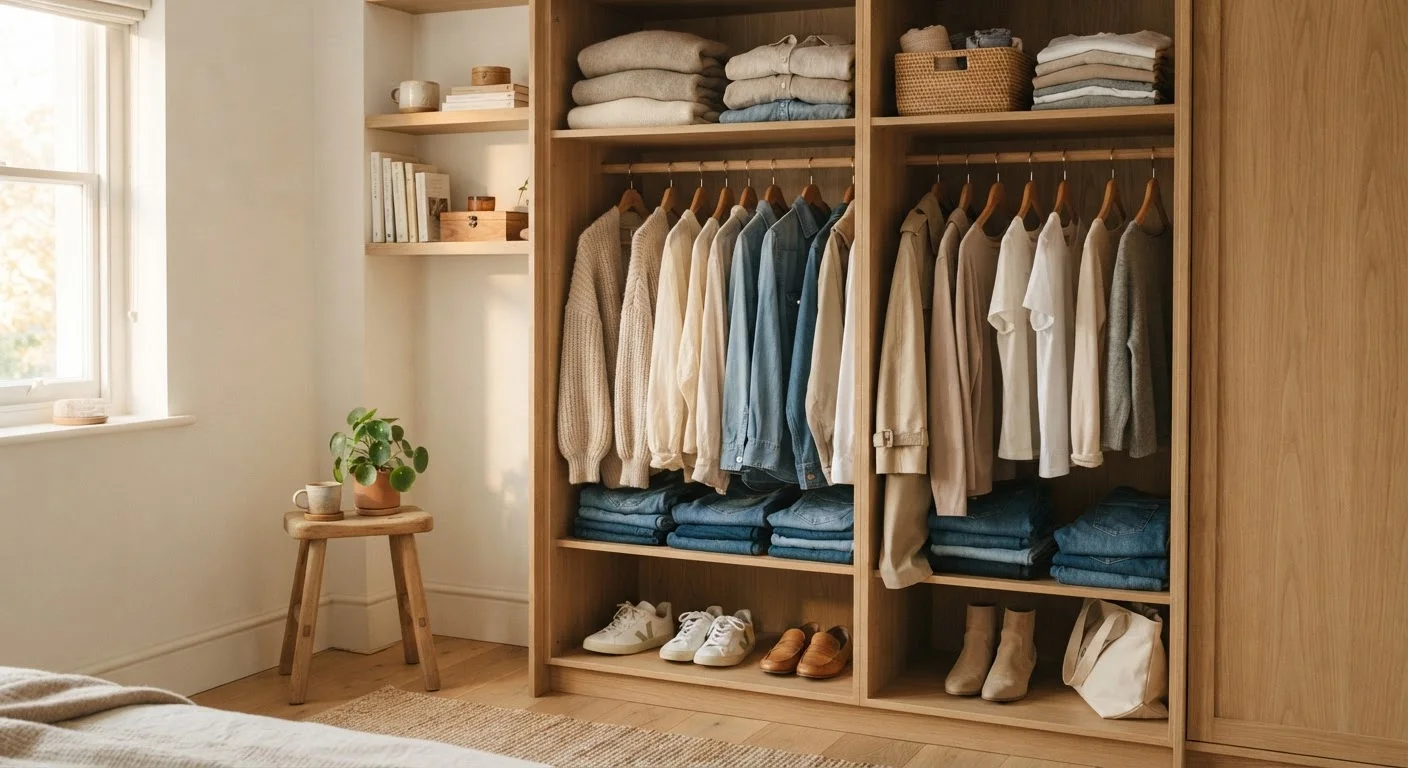
Photo: UltraSearches.com | Search Results You Can Trust editorial
Key Takeaways
- Clothes that match your real routine get worn far more often than aspirational pieces.
- Online styling photos often show garments in idealized contexts that don't reflect daily life.
- Building around your actual schedule reduces clutter, decision fatigue, and wasted spending.
- Fit, comfort, and versatility are more reliable style indicators than trend appeal.
- A smaller, well-matched wardrobe consistently outperforms a large, disconnected one.
The Gap Between Online Style and Real Life
Scroll through any fashion platform and you'll see the same phenomenon: clothes displayed in aspirational settings - sun-drenched terraces, minimalist studios, candid café shots - that bear little resemblance to the average Tuesday morning. The styling is intentional, the lighting is controlled, and the context is curated. None of that is dishonest, but it does create a persistent gap between how garments look online and how they function in a real wardrobe.
That gap is where a lot of shopping regret is born. You buy for the image, not the item - and when the item arrives, it doesn't quite fit the life waiting for it. Understanding that disconnect is the first step toward dressing with genuine confidence rather than aspirational thinking.
Aspirational Dressing Has a Cost
Best Practices for Dressing Your Actual Routine
Building a wardrobe around your real life isn't about lowering your standards - it's about raising the standard of usefulness. The practices below help you make clothing decisions that hold up when the scroll stops and real mornings begin. For a deeper look at fit, fabric, and function, those three criteria are worth understanding before your next purchase.
Map your week before you shop.
Prioritize how a garment feels over how it photographs.
Choose pieces that connect to at least three existing items you own.
Treat comfort as a non-negotiable style criterion.
Audit what you reach for, not what you own.
Take Stock Before You Add More
Most wardrobe frustration doesn't come from owning too little - it comes from owning the wrong things. A wardrobe audit is often the most clarifying thing you can do before spending another dollar. Once you can see what you have, what you actually wear, and what's just taking up space, smarter decisions become much easier.
It's also worth considering whether a smaller, more intentional selection might serve you better than a full closet. Minimalist dressing has real trade-offs worth understanding - but the underlying principle, owning things you genuinely use, applies no matter how big your wardrobe is.
What 'Stylish' Actually Means Day to Day
Style that works is style that fits your life: your body, your schedule, your budget, your comfort level. It's not a fixed aesthetic or a number of pieces - it's a relationship between what you own and how you live. When those two things align, getting dressed stops feeling like a chore and starts feeling like a small, reliable win.
“Getting dressed is a daily act. When your clothes match the life you actually live, that act becomes easier, faster, and - quietly - a genuine source of confidence.”
— Style & Beauty Editorial Team, Everyday Fashion Editors
If you're starting from scratch or rebuilding after a major life change, building a wardrobe from the ground up is more straightforward than it sounds. And once your foundation is in place, understanding how pieces layer together practically can expand your options without expanding your closet.
The content on this site is for informational purposes only and is not a substitute for professional advice. Always consult a qualified professional for guidance specific to your situation.