
Hair Typing Systems Explained: What They Mean and What They Don't

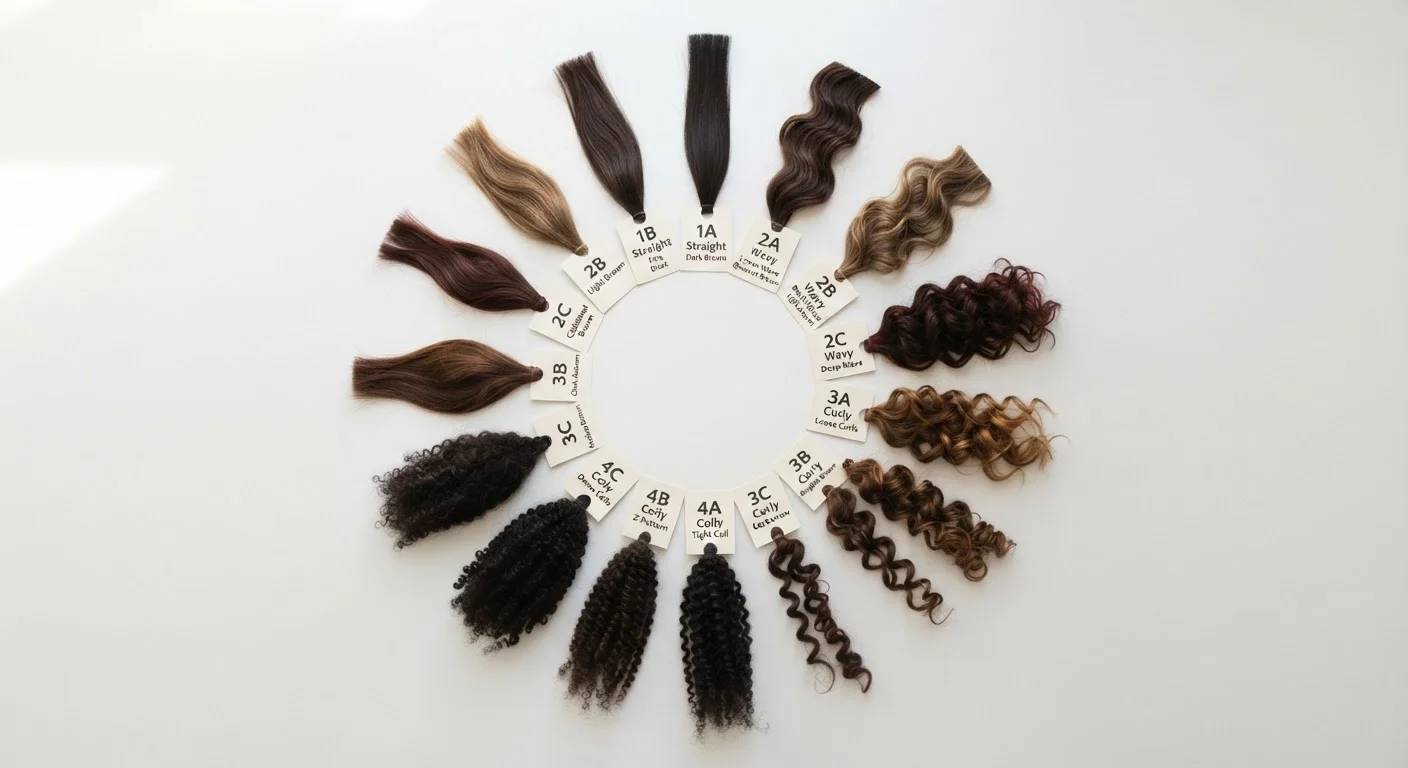
Photo: UltraSearches.com | Search Results You Can Trust editorial
Key Takeaways
- Hair typing systems classify curl pattern but leave out porosity, density, and strand width.
- Knowing your hair type is a starting point, not a complete care prescription.
- Two people with the same hair type number can have very different hair needs.
- Porosity - how well hair absorbs moisture - is often more useful than curl pattern alone.
- Hair typing works best when combined with observation of how your own hair behaves day to day.
Where Hair Typing Comes From
Hair typing as we know it became mainstream in the 1990s, largely popularized by hairstylist Andre Walker, who devised a numbered system to help clients understand their texture. The framework spread quickly because it gave people a common vocabulary - suddenly, someone could say "I have 3C hair" and others understood roughly what that meant.
Since then, the system has been adopted, adapted, and sometimes criticized across the beauty industry. Online communities expanded it with additional subcategories, and brands began organizing product lines around type numbers. The intent was always accessibility - to make hair care feel less mysterious. That's genuinely useful. Where things get complicated is when the system gets treated as the whole story rather than a single chapter of it.
Hair Typing Is Not a Diagnosis
What Hair Type Actually Tells You
Your hair type number and letter describe one thing: the shape your hair strand makes when it's in its natural, undisturbed state. Type 1 hair lies flat and straight. Type 2 forms gentle waves. Type 3 produces defined curls, ranging from loose loops to springy ringlets. Type 4 coils tightly, often shrinking significantly from its actual length.
That information isn't useless. Curl pattern gives you a rough sense of how much moisture your hair needs to define its shape, how prone it may be to frizz or dryness, and which application methods - like the "praying hands" technique versus scrunching - tend to be most effective. It's a reasonable first filter when you're exploring new routines.
4
Main curl pattern categories in the Andre Walker system
The original framework groups hair into Types 1-4, with A, B, and C subcategories, creating up to 12 distinct classifications.
3+
Hair characteristics beyond pattern that affect care
Porosity, density, and strand width each independently influence how hair responds to products and techniques, regardless of curl type.
What Hair Type Doesn't Tell You
Here's where a lot of frustration comes in: two people can share the same hair type and have completely different hair. Why? Because the chart says nothing about these four factors:
- Porosity: How easily your hair absorbs and holds onto moisture. Low-porosity hair resists water; high-porosity hair soaks it up quickly but loses it just as fast. This single factor often determines more about your product choices than your curl pattern does.
- Density: How many strands you have per square inch of scalp. High-density hair can handle heavier products without looking limp; low-density hair may be weighed down by the same formula.
- Strand width: Fine strands are more delicate and can be overwhelmed by rich butters, while coarse strands may need more emollient products to feel soft and manageable.
- Scalp condition: Oiliness, dryness, and scalp health affect how often and how you should wash - independent of your curl type. Our article on scalp health and hair explores this in depth.
Ignoring these factors is why someone with 4A hair might thrive with a lightweight leave-in while another person with the same type needs a dense cream - and why following type-based advice to the letter sometimes backfires. Much like understanding your skin type, hair typing works best as one lens among several, not a complete diagnosis.
Try the Porosity Test First
How to Use Hair Typing Wisely
Think of your hair type as a starting point for exploration, not a prescription. Here's a practical approach:
- Identify your pattern on freshly washed, air-dried hair with no products. Use a typing chart as a rough reference.
- Test your porosity by placing a clean, dry strand in a glass of water. If it sinks quickly, porosity tends to be high; if it floats for a long time, it's likely low. This isn't a precise lab test, but it's a useful ballpark.
- Observe your hair's behavior over time - does it feel dry after washing? Greasy by day two? Defined curls that fall flat by noon? These real-world clues often matter more than any number on a chart.
- Adjust based on results, not rules. Hair care advice worth following - including debunking common myths, as covered in our piece on grooming myths - is always grounded in how your actual hair responds.
Frequently Asked Questions
The content on this site is for informational purposes only and is not a substitute for professional advice. Always consult a qualified professional for guidance specific to your situation.