
Skin Types Decoded: What Oily, Dry, Combination, and Sensitive Really Mean

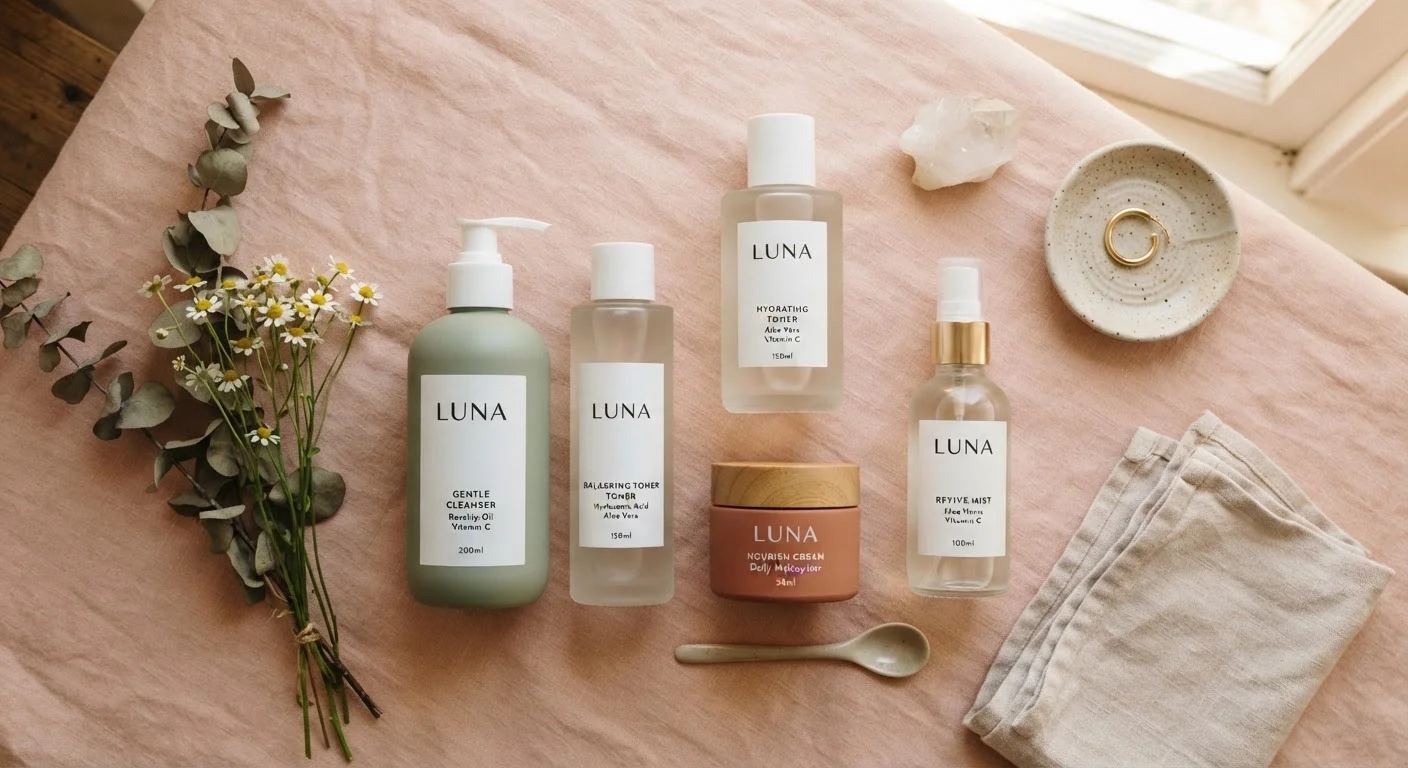
Photo: UltraSearches.com | Search Results You Can Trust editorial
Key Takeaways
- Skin type describes your skin's baseline oil production and moisture retention, not a permanent condition.
- Oily, dry, combination, and sensitive are the four widely recognized skin type categories.
- Your skin type can change over time due to aging, hormones, diet, or climate shifts.
- Sensitive skin is a reactivity pattern, not a standalone type - it can overlap with any of the other three.
- Correctly identifying your skin type helps you avoid products that could cause irritation, breakouts, or dryness.
- No skin type is better or worse - each simply calls for a tailored approach.
Why Skin Type Actually Matters
Walk into any beauty aisle and you'll see products labeled for every skin type imaginable. But if you don't know yours, those labels are just guesswork. Choosing a product designed for oily skin when you actually have dry skin can strip your moisture barrier and cause irritation - and vice versa, a rich formula meant for dry skin can clog pores and trigger breakouts in oilier complexions.
Skin type gives you a starting framework. It's not a rigid diagnosis or a life sentence - it's a practical tool. Once you understand what your skin is doing naturally, you can work with it instead of fighting it. That makes every other step of your routine - cleansing, moisturizing, treating - much more effective. See our guide to layering skincare products in the right order to understand how type influences what you apply and when.
~50%
People with self-reported combination skin
Studies and surveys in dermatology literature consistently find combination skin to be the most commonly reported skin type among adults.
40%
Adults reporting sensitive or reactive skin
Research published in dermatology journals estimates that roughly 40% of the global population describes their skin as sensitive or reactive.
3-4 weeks
Typical skin cell turnover cycle
The epidermis renews itself approximately every three to four weeks, which is why skincare changes often take at least a month to show visible results.
The Four Skin Types, Explained
Oily Skin
Oily skin produces excess sebum - the natural oil your sebaceous glands secrete. The result is a shiny or greasy appearance, especially across the forehead, nose, and chin (the T-zone). Pores tend to appear larger, and oily skin is more prone to blackheads and breakouts. The upside: naturally occurring oil can slow the appearance of fine lines over time. Oily skin still needs moisture - skipping moisturizer often signals the skin to produce even more oil to compensate.
Dry Skin
Dry skin produces less sebum than average, which means it has a harder time retaining moisture. It often feels tight, looks dull or flaky, and can be more prone to fine lines and irritation. Environmental factors like cold air, low humidity, and hot showers can worsen dryness. Dry skin thrives with richer, nourishing formulas and ingredients that help reinforce the skin's protective barrier.
Combination Skin
Combination skin is exactly what it sounds like - a mix of two behaviors on the same face. The T-zone (forehead, nose, chin) tends to be oily, while the cheeks and outer areas may be normal to dry. This is actually the most common skin type, which is why so many products are formulated with it in mind. The challenge is addressing both zones without over-treating either one.
Sensitive Skin
Sensitive skin is characterized by heightened reactivity - redness, stinging, itching, or breakouts in response to products, environmental triggers, or stress. It often overlaps with conditions like rosacea or eczema, though not always. Sensitive skin can be oily, dry, or combination at its core. The key approach is minimizing irritants: fragrance-free formulas, short ingredient lists, and gradual product introductions.
Sensitive Skin and Medical Conditions
How to Identify Your Skin Type
The simplest at-home method is the bare face test. Wash your face with a gentle, unfragranced cleanser, pat dry, and wait one full hour - no serum, no moisturizer, nothing. Then assess:
- Shiny all over? Likely oily.
- Tight, rough, or flaky? Likely dry.
- Shiny T-zone, normal or dry cheeks? Likely combination.
- Redness, itching, or discomfort after cleansing alone? Add sensitivity to any of the above.
Another option is the blotting paper method - press blotting sheets to different areas of your face about an hour after cleansing. Heavy oil pickup across the whole face suggests oily skin; little to no oil suggests dry; oil mainly in the T-zone points to combination.
Keep in mind: your skin can behave differently in winter versus summer, or during hormonal shifts. Checking in seasonally is a smart habit. Once you've got a working read on your type, you'll be better equipped to choose the right moisturizer or serum for your needs.
Test Seasonally, Not Just Once
Skin Type vs. Skin Condition: An Important Distinction
One of the most common points of confusion in skincare is mixing up skin type with skin condition. Your type is your baseline - it's largely genetic and relatively stable. A skin condition, on the other hand, is a temporary or changeable state that can affect any type.
Dehydration is a great example. You can have oily skin that's also dehydrated - producing excess oil while simultaneously lacking water content. Breakouts aren't exclusively an oily-skin issue; dry or sensitive skin can also experience them due to product buildup or irritation. Hyperpigmentation, dullness, and uneven texture are conditions that can affect any type.
This distinction matters because it prevents over-correcting. Someone with oily, dehydrated skin who only focuses on controlling oil may end up with a compromised moisture barrier - making both problems worse. Understanding what's a permanent baseline versus what's a correctable condition helps you respond more precisely. If you ever feel like your current approach has stopped working, it may be a condition shift rather than a type change - learn what's actually happening when products seem to stop working.
Building a Routine Around Your Type
With your skin type identified, a few foundational principles apply across the board. Every skin type benefits from a gentle cleanser, some form of moisture, and daily sun protection. Beyond that, the details shift:
- Oily skin generally responds well to lightweight, non-comedogenic (non-pore-blocking) formulas and gel-based textures.
- Dry skin benefits from cream or balm textures, and ingredients like ceramides, hyaluronic acid, and shea butter that support moisture retention.
- Combination skin may call for different approaches on different zones - or a balanced, middle-ground formula that won't over-dry or over-moisturize.
- Sensitive skin does best with minimal, fragrance-free formulas and a slow, patch-test approach to new products.
Once you have the basics in place, understanding ingredients becomes your next power move. Our guide to reading a skincare ingredient label breaks down what those long lists actually mean - and what to look for based on your type.
This article is for general informational and educational purposes only. It is not a substitute for professional dermatological or medical advice. If you have persistent skin concerns, consult a licensed dermatologist or skincare professional.
“Skin type is not a fixed identity - it's a starting point. The goal of understanding your type is to remove the guesswork so that every product choice is more intentional.”
— Dr. Heather Rogers, Board-certified dermatologist and founder of a dermatology practice focused on evidence-based skin care
Frequently Asked Questions
The content on this site is for informational purposes only and is not a substitute for professional advice. Always consult a qualified professional for guidance specific to your situation.