
The Tradeoffs of Waxing, Threading, and Shaving for Facial Hair Removal

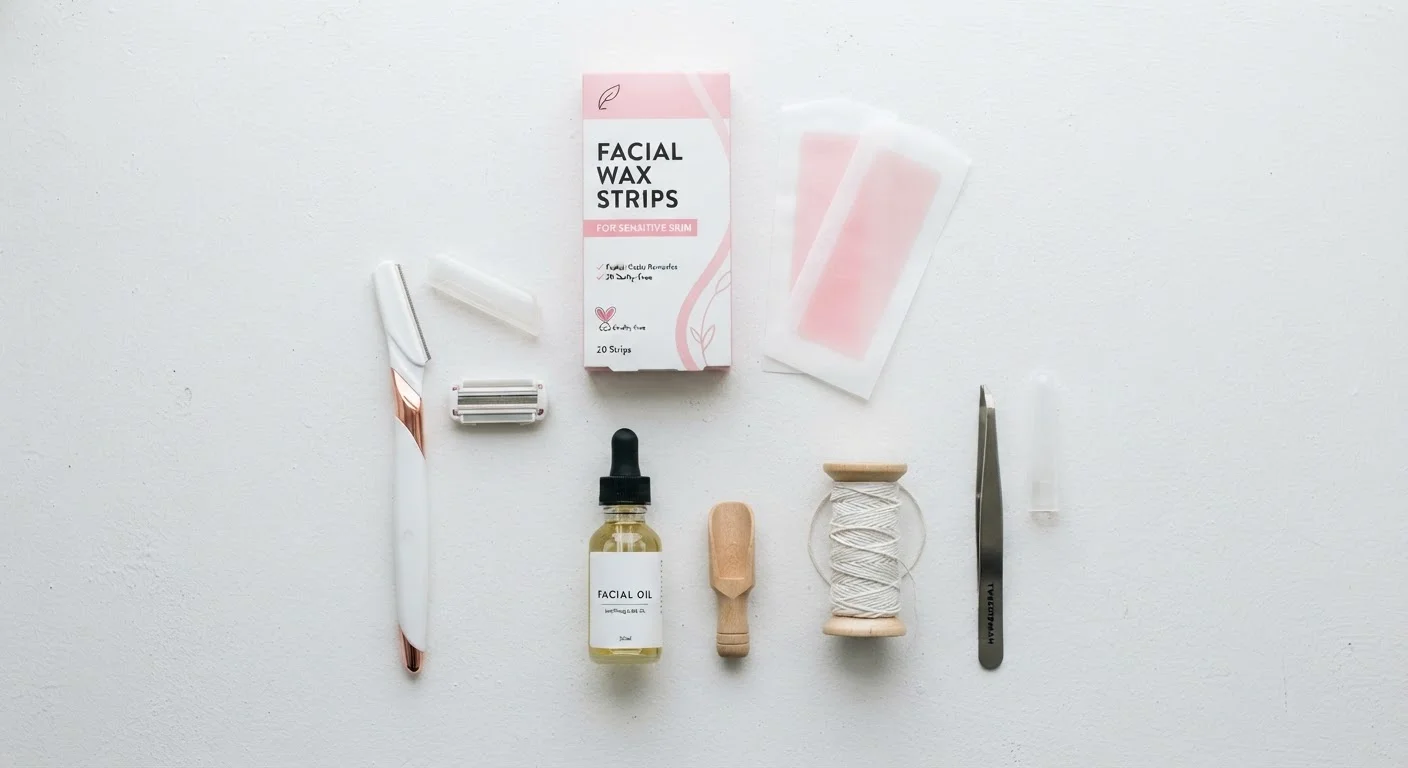
Photo: UltraSearches.com | Search Results You Can Trust editorial
Key Takeaways
- Shaving is the fastest and most accessible method but requires the most frequent upkeep.
- Threading is precise and chemical-free, making it a strong option for sensitive skin.
- Waxing removes hair from the root, slowing regrowth but carrying a higher risk of irritation.
- No single method suits every skin type, hair texture, or facial zone equally well.
- Post-removal skin care matters as much as the method itself for preventing irritation.
Quick and easy to do at home
Shaving requires minimal setup and no professional appointment, making it practical for daily or weekly routines on any schedule.
Low upfront cost
Basic razors and shave gel are widely available at a range of price points, making shaving one of the most budget-accessible options.
Works across a wide range of facial zones
From the upper lip to the jawline and cheeks, shaving adapts to most facial areas without specialized technique.
Regrowth appears quickly
Because shaving cuts at the surface rather than the root, noticeable stubble can return within one to three days for many people.
Risk of irritation with poor technique
Dull blades, dry shaving, or going against the grain can cause razor burn, redness, and ingrown hairs, particularly on the neck and chin.
Less precise for detailed shaping
Shaving is not well-suited to defined brow shaping or other precision work where threading or professional waxing offers more control.
Why the Method You Choose Actually Matters
Facial skin is thinner and more reactive than skin elsewhere on the body, which means the stakes for choosing the right hair removal approach are genuinely higher. A method that works perfectly on your legs may cause breakouts, hyperpigmentation, or persistent redness on your chin or upper lip. Understanding how waxing, threading, and shaving each interact with skin - not just hair - puts you in a much stronger position to build a routine that actually works for you.
It's also worth noting that none of these methods is universally "best." Dermatologists generally agree that the right choice depends on individual skin type, hair coarseness, the area being treated, and personal tolerance for upkeep. For a closer look at how skin cell turnover intersects with hair removal, our guide on exfoliants and skin texture is a useful companion read.
Shaving: Fast, Flexible, and Frequently Misunderstood
Shaving cuts hair at the skin's surface rather than removing it from the root, which is why stubble reappears quickly - typically within one to three days for most people. That said, shaving is the most accessible and lowest-cost entry point for facial hair removal, and with the right technique, it's far less damaging than its reputation suggests.
Quick and easy to do at home
Shaving requires minimal setup and no professional appointment, making it practical for daily or weekly routines on any schedule.
Low upfront cost
Basic razors and shave gel are widely available at a range of price points, making shaving one of the most budget-accessible options.
Works across a wide range of facial zones
From the upper lip to the jawline and cheeks, shaving adapts to most facial areas without specialized technique.
The most common complaints - razor burn, ingrown hairs, and persistent redness - usually trace back to technique rather than shaving itself. Using a dull blade, skipping a moisturizing shave gel, or going against the grain on sensitive zones are the main culprits. Our article on why shaving irritates skin breaks down the fixable habits behind most of these issues. If you're weighing tool types, electric razors vs. cartridge blades covers the tradeoffs in detail.
Regrowth appears quickly
Because shaving cuts at the surface rather than the root, noticeable stubble can return within one to three days for many people.
Risk of irritation with poor technique
Dull blades, dry shaving, or going against the grain can cause razor burn, redness, and ingrown hairs, particularly on the neck and chin.
Less precise for detailed shaping
Shaving is not well-suited to defined brow shaping or other precision work where threading or professional waxing offers more control.
Threading: Precision Without Products
Threading uses a twisted cotton thread to trap and pull hair directly from the follicle in a controlled line. It originated in South Asia and the Middle East and has been widely practiced for centuries. Today it's most commonly used for eyebrow shaping and upper lip hair removal.
Threading and Medication Sensitivity
Because threading uses no heat, wax, or chemicals, it's often recommended for people using topical retinoids or acne medications that increase skin fragility. Results typically last two to six weeks depending on individual hair growth cycles. The technique requires skill - an experienced practitioner makes a significant difference in both comfort and outcome.
2-6 weeks
Typical regrowth interval after threading
Threading removes hair from the follicle, slowing regrowth compared to surface-level methods like shaving.
3-6 weeks
Average time between waxing sessions
Waxing pulls hair from the root, and with consistent sessions some individuals report progressively finer regrowth over time.
Waxing: Longer-Lasting Results With Higher Skin Stakes
Waxing removes hair from the root using either soft wax (applied with a strip) or hard wax (which sets and is pulled off without a strip). Hard wax is generally considered gentler for facial skin because it adheres to hair rather than the skin surface. Regrowth is slower than shaving - typically three to six weeks - and with repeated use, some people find hair grows back finer over time, though this varies considerably by individual.
The primary concerns with facial waxing are skin sensitivity reactions, especially for those using prescription topicals or with rosacea or eczema. Waxing also carries a risk of post-inflammatory hyperpigmentation, particularly on deeper skin tones - something worth discussing with a licensed esthetician before committing to a routine. Many common grooming beliefs around waxing are worth examining critically; grooming myths dermatologists actually address is a helpful reality check.
Choosing Based on Your Skin and Goals
There's no one-size answer, but there are some useful patterns. Sensitive or reactive skin generally responds better to threading, which avoids chemical and heat exposure entirely. Waxing suits those who want longer intervals between sessions and don't have contraindicated skin conditions. Shaving is the practical default for larger areas or frequent maintenance and works well when paired with consistent moisturizing afterward.
The area being treated also matters. Threading excels at brow definition and small surface areas. Waxing covers larger zones efficiently. Shaving is versatile but less precise for detailed shaping. Many people use a combination - threading for brows, shaving or waxing for the upper lip - which is a perfectly sensible approach rather than a compromise.
This article is for general informational and educational purposes only. It is not a substitute for professional dermatological or esthetician advice. If you have a skin condition, are using prescription skin treatments, or experience persistent irritation after hair removal, consult a qualified skincare professional.
The content on this site is for informational purposes only and is not a substitute for professional advice. Always consult a qualified professional for guidance specific to your situation.